
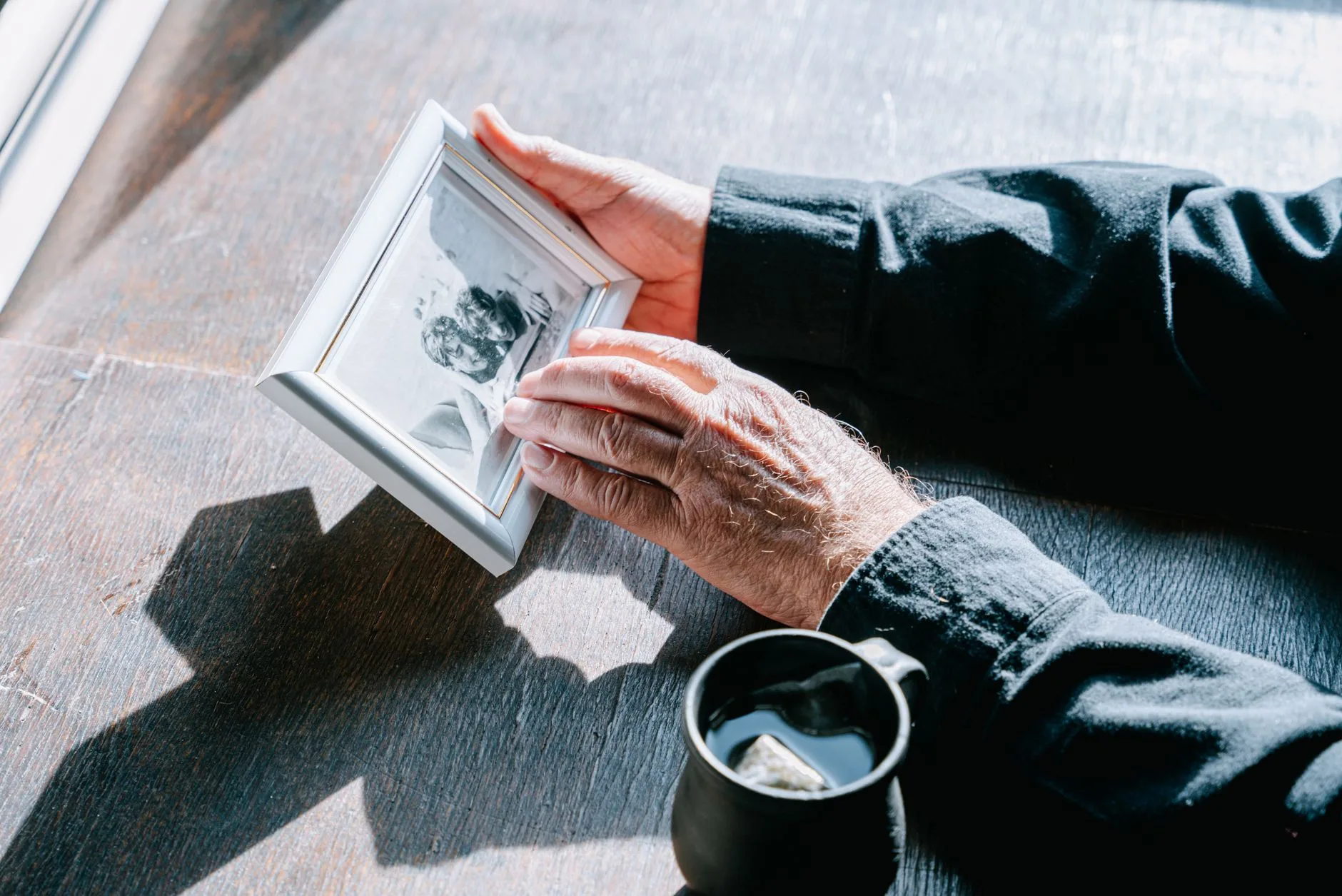
The grief that follows a pet’s death can arrive in quiet, surprising ways. A leash by the door. A food bowl in the kitchen. The sound of a collar that no longer jingles. For many people, learning how to cope with pet loss begins in these small, ordinary moments, where love and absence meet in the same breath.
A companion animal becomes part of the shape of daily life. Their routines settle into ours. Their needs give the day a certain rhythm. When they are gone, the silence can feel unfamiliar, and grief may rise in waves rather than in a steady line. Some days may feel manageable. Other days may bring a sudden heaviness that is difficult to explain to anyone who has not lived it.
Pet loss grief is often private, and that can make it harder to name. People may feel pressure to move on quickly, especially if others around them do not fully understand the bond they shared. But the connection with a beloved animal is real, and so is the mourning that follows. Grieving after pet loss is a deeply human response to a real relationship.
Understanding the weight of pet loss
For many households, a pet is not an accessory to family life. They are part of the family itself. They greet the morning, witness ordinary routines, and offer comfort without asking for anything in return. Their presence can be woven into years of memory, from early adulthood through marriage, parenthood, moves, illness, and change.
Because of that, the grief can feel larger than some people expect. It is not only sorrow for the animal who has died. It is also sorrow for the life that shaped itself around them. Their passing can change the atmosphere of a home, the rhythm of a schedule, and the emotional texture of a day.
Many people also grieve the role they played as caregiver. Feeding, walking, grooming, medicating, and watching over a pet can become part of a person’s sense of purpose. After loss, that caregiving identity may disappear all at once, leaving a strange emptiness behind.
Resources such as Pet Loss & Grief offer compassionate guidance on coping and routines.
What pet loss grief can feel like
Pet loss grief does not always look tidy or predictable. It can include sadness, guilt, relief, numbness, anger, regret, and exhaustion. These feelings may come and go in no clear pattern. Some people cry often. Others feel strangely detached at first. A few feel both at once.
There may be moments of guilt tied to decisions made at the end of life. If a pet was euthanized, many owners replay the final appointment and wonder whether they made the right choice. If a pet died suddenly, the shock may bring a need for answers that never fully arrive. If illness was prolonged, the strain of caregiving may blend with sorrow, and that mix can be hard to sort through.
Grief after pet loss can also show up physically. Appetite may change. Sleep may feel broken. Concentration can drift. Some people feel tightness in the chest or a heaviness in the body that lingers for weeks. This is part of how the mind and body respond to attachment and loss.
The stages of pet loss grief are not a straight path
People often hear about grief stages and expect them to unfold in a neat order. In reality, pet loss grief stages tend to be less like steps and more like overlapping weather. Denial, anger, bargaining, sadness, and acceptance may all appear, disappear, and return in altered forms.
Denial and shock
At first, the mind may struggle to take in what has happened. A person may expect to hear paws in the hallway or look up at the window where a cat used to sit. This disbelief is one way the mind eases into a painful truth.
Anger and frustration
Anger may be directed at a veterinarian, a diagnosis, a family member, oneself, or life in general. Sometimes anger arrives when sadness feels too tender to hold directly. It can sit beneath guilt or fear, especially if the pet’s decline moved quickly or felt unfair.
Bargaining and replaying
Many grieving owners revisit choices. They ask whether they should have noticed a symptom sooner, chosen a different treatment, or taken a different path during the final days. This mental replay is common in grieving after pet loss. It reflects love, concern, and the wish to protect someone who mattered deeply.
Deep sadness
Sadness may come in quiet, steady ways. It may also come sharply, through tears during a routine task or a single object left behind. This is often where the reality of absence settles more fully into the body and mind.
Acceptance, in a gentler sense
Acceptance does not mean forgetting or feeling untouched. It often means learning to carry the loss differently. The pet remains part of the owner’s inner life, memory, and daily choices, even as the rawness begins to soften over time.
How to cope with pet loss in the early days
In the beginning, coping may mean doing only what needs to be done. The early days after a pet dies can feel disorienting, and simple tasks may take more effort than usual. A gentle approach often helps more than a perfect one.
Let the first days be smaller than usual
There may be an instinct to keep going as if nothing has changed. Sometimes that is necessary for work or family responsibilities. Still, if possible, it can help to reduce demands where you can. Shorten the day. Postpone what can wait. Give yourself room to move through the first stretch of grief without expecting normal energy or focus.
Acknowledge the absence in a simple way
Some people light a candle, place a collar in a quiet spot, or set aside a favorite toy. These small gestures can make grief feel less abstract. They give the loss a place to be seen.
Speak the pet’s name
It may sound small, but saying a pet’s name aloud can be grounding. It recognizes that they were real, known, and loved. For some families, sharing a memory or a detail about a beloved pet can help bring warmth into a difficult day.
Accept help where it feels practical
Grieving owners sometimes need assistance with ordinary life. A friend may bring a meal. A neighbor may walk a surviving pet. A family member may help sort through supplies when the time feels right. Support does not have to be dramatic to matter.
Why grief can feel so personal after losing a pet
Many people find pet loss especially personal because animals often witness our unguarded lives. Pets see our habits, our low points, our celebrations, and the routine moments that never reach the outside world. They become quiet companions to both joy and strain.
That kind of presence creates intimacy. The grief that follows can feel like the loss of a witness, a caretaker, and a daily source of comfort all at once. A pet may also be tied to a specific chapter of life. Losing them can bring an end to that chapter too, which deepens the ache.
For some, the bond carries layered meaning. A pet may have been present during recovery from illness, during a lonely period, during a move, or during years when human relationships felt unstable. The loss can reopen old vulnerabilities alongside the current one.
Common thoughts during grieving after pet loss
Grief often brings familiar thoughts that are painful but common. Seeing them clearly can help loosen the shame many people attach to them.
- I should have noticed sooner. This thought often arises from love and hindsight, not from clear responsibility.
- I did not do enough. Many owners underestimate the care they gave, especially during illness or aging.
- Life feels too quiet. This is a natural response to the sudden absence of familiar sounds and routines.
- I keep expecting them to come back. Habit lingers after loss. The mind reaches for what it knew.
- I feel guilty for moments of relief. Caregiving can be exhausting, and relief does not erase love.
These thoughts do not mean a person is grieving poorly. They show how attachment continues to speak after loss. With time, many of these thoughts soften, though they may return from time to time.
Navigating pet loss grief at home
Home can feel especially changed after a pet dies because so many memories are embedded in the space itself. A bed in the corner, a sunlit patch on the floor, a favorite path through the hallway. These details may feel tender for a long time.
Some people find it helpful to keep a few familiar objects in place at first. Others prefer to gently rearrange the room to make the space feel less startling. There is no single right pace. What matters is finding a balance between honoring the pet’s presence and giving yourself room to live in the house again.
If there are surviving pets in the home, they may also respond to the change. They can seem quieter, clingier, or more alert than usual. Animals often notice absence in their own way. Maintaining feeding times, walks, and shared routines can offer them steadiness while the household adjusts.
How to cope with pet loss when others do not understand
One of the harder parts of pet loss is the way it can be minimized by people who did not share the same bond. Comments such as “it was just a pet” can land harshly, especially at a time when the loss is still fresh. The grief may feel more private after that, which can make it heavier.
It may help to spend time with people who understand the significance of the relationship, even if they never met the animal. A kind friend, a sibling, a fellow pet owner, or a veterinarian who knew the pet well may offer a more attentive kind of listening.
If someone close to you is grieving after pet loss, gentle language can matter more than advice. A simple acknowledgment of the pet’s place in the family often feels more supportive than trying to explain the grief away.
Memories, rituals, and keeping a bond alive
Healing after a pet dies does not require severing the bond. For many people, it becomes less about letting go and more about learning how to carry memory in a gentler way.
Some owners keep a collar, paw print, tag, or blanket in a memory box. Others frame a photograph or create a small place in the home for remembrance. A handwritten note, a favorite toy, or a printed image from a meaningful day can become part of a quiet personal ritual.
These gestures matter because they recognize the pet as more than a loss. They preserve evidence of a relationship that shaped daily life and affection. A memorial need not be elaborate to carry meaning. Often, the simplest tribute feels the most honest.
Ideas for personal remembrance
- Light a candle on special dates or quiet evenings.
- Keep a photo nearby where it can be seen naturally.
- Write down small memories that might otherwise fade.
- Place a collar, tag, or toy in a memory box.
- Plant something living in their honor.
- Share stories about them with family or children.
For some families, a memorial piece or keepsake becomes part of this remembrance. A framed photo, a custom urn, or a small engraved item can hold space for memory in a way that feels tangible and calm. For additional memorial ideas, see 9 Best Pet Loss Gifts. These choices work best when they serve remembrance, not pressure.
Helping children understand pet loss
Children often grieve deeply, though their grief may appear in brief bursts or unexpected questions. They may ask where the pet went, whether the pet is cold, or whether the pet misses them. Honest, age-appropriate answers usually help more than vague language.
If a child was close to the pet, it can be useful to include them in remembrance in a simple way. They might draw a picture, place a flower near a photo, or tell a favorite story. These small acts can help a child feel included in the family’s grief rather than shut outside it.
Children also benefit from seeing adults model gentle honesty. When a parent or caregiver speaks plainly about sadness, memory, and love, it gives the child a language for their own feelings.
Supporting grief in a family or shared household
Grieving after pet loss can look different from one person to another, even within the same home. One family member may want to talk often, while another may become quiet and withdrawn. Someone else may move quickly into practical tasks because stillness feels too hard.
These differences can create misunderstanding if they are not named gently. Grief rarely moves at the same pace for everyone.
A family may find it useful to agree on small, shared acts of remembrance. This can keep the pet present in memory without requiring everyone to process their loss in the same way. Shared rituals may be as simple as visiting a favorite walking path, placing flowers by a photograph, or speaking one memory aloud.
When grief feels delayed or returns later
Not every person feels the full weight of pet loss at once. Some are busy arranging care, handling veterinary decisions, or supporting children and other pets. The emotional impact may arrive later, once the practical tasks are over and the house grows quiet again.
Grief can also return around anniversaries, birthdays, holidays, or ordinary moments that unexpectedly mirror the past. A certain season, a smell, a sound, or a habit can open a door to memory.
This return does not mean healing has failed. It usually means the bond was meaningful enough to leave a lasting imprint. Over time, the sharpness of these moments may soften, though they may still carry feeling.
Finding a steadier routine after loss
Routine can be a quiet ally during grief. It does not erase sorrow, but it can give the day a little structure when emotions feel loose and unsteady.
Simple actions often help more than grand changes. Eating at regular times, stepping outside for fresh air, keeping a consistent sleep rhythm, or caring for a surviving pet on a familiar schedule can all create a sense of footing.
Many people also find comfort in naming one small task for the day. That task may be laundry, a walk, a call to a friend, or spending a few minutes with a memory box. Grief often makes large goals feel distant, so small ones can be kinder.
How to cope with pet loss while honoring your bond
The phrase how to cope with pet loss can sound practical, yet the answer is often shaped by tenderness, memory, and time. There is no single method that fits every loss. What helps is usually a mixture of honesty, patience, and permission to grieve in a way that feels true.
Some people write letters to their pet. Others keep a journal of memories or create a photo album. Some visit a favorite park or trail. A few choose a burial or cremation ritual that reflects the bond they shared. Each of these can be part of coping because each one gives the relationship continued recognition.
It can help to think less in terms of closing the door and more in terms of keeping the bond in a new form. Grief changes the shape of connection, but it does not erase the love that created it.
When to reach for extra support
Most grief becomes a little easier to carry with time, though it may never disappear entirely. Still, there are moments when additional support can be helpful. That may include speaking with a counselor, a grief group, a veterinarian who understands pet bereavement, or a trusted person who will listen without trying to rush the process.
Support can be especially helpful if sleep has become difficult for an extended period, daily functioning feels sharply reduced, or guilt has grown so heavy that it is hard to rest. Seeking support is not a sign of weakness. It is a way of making space for a loss that touched daily life in a deep way.
What healing may look like over time
Healing after pet loss is often quiet. It may not feel like moving on. It may feel more like the return of appetite, the ability to smile at a memory, or the first time a favorite story can be told without tears. These moments do not erase grief. They show that love and sorrow are learning to live together in a new arrangement.
Some owners notice that they begin to remember more than the final days. They recall the pet’s habits, expressions, quirks, and comforting routines. This shift can feel tender. It means the fuller life of the animal is coming back into view.
There may still be hard days. There may still be moments when the absence feels close and immediate. Healing does not require a clean finish. It often unfolds as a gradual softening, shaped by memory and time.
Carrying the love forward
A pet leaves behind more than an empty bed or a silent corner. They leave routines, memories, and a particular kind of affection that stays in the body and home long after they are gone. For many people, learning how to cope with pet loss becomes part of honoring that lasting presence.
The grief may be real and uneven. The house may feel different. Ordinary days may take on new shadows. Yet love often remains, woven into the objects, habits, and stories that continue to hold the pet’s place in family life.
In time, the bond can become a steadier kind of companion. Not a replacement for the pet who died, and never that, but a way of carrying their memory with care. That is often how remembrance becomes part of healing, and how love continues to live quietly in the spaces they once filled.