
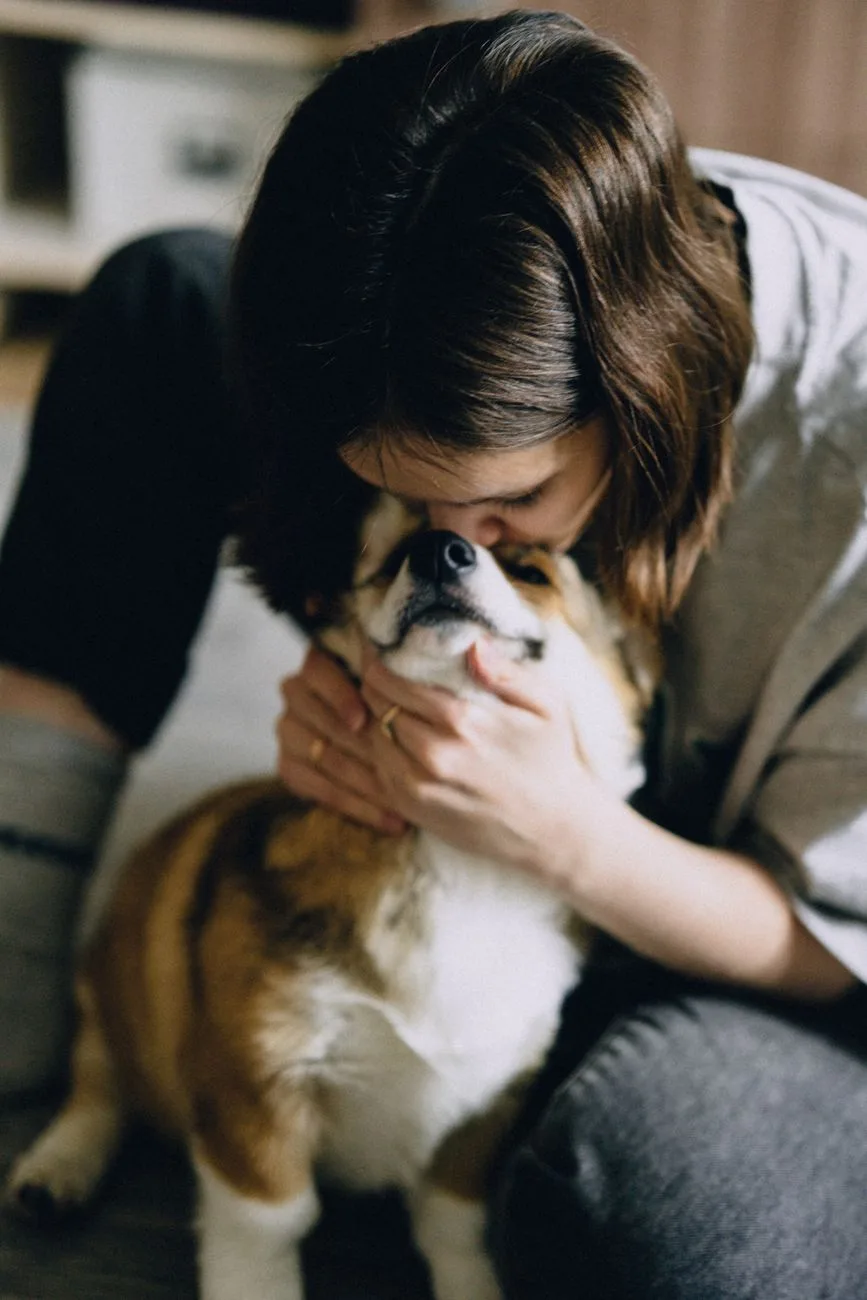
The grief that follows a pet’s death can arrive with a force that surprises people. It may feel quiet at first, then suddenly heavy and difficult to carry. For many owners, depression after losing a pet is more than sadness. It can affect sleep, appetite, concentration, motivation, and the ordinary rhythm of a day that used to include a familiar set of paws, a tail, a feeding time, or a place on the couch that now feels strangely empty.
Many people benefit from resources and support like Pet Loss & Grief when coping with overwhelming sorrow.
This kind of sorrow often remains private. People sometimes expect pet loss to be easier to bear than other losses, yet the bond with a companion animal can be deeply steady and deeply personal. A pet often becomes part of the structure of daily life. Their presence is woven into routines, quiet habits, and the emotional atmosphere of a home. When they are gone, the absence can shape every hour.
What follows after that loss can look different from person to person. Some owners feel numb. Some cry often. Some feel restless or agitated. Others notice a kind of low, persistent heaviness that resembles pet loss depression. The experience may also include guilt, anger, regret, or a painful sense of disorientation. These reactions can come in waves, and they do not always follow a tidy pattern.
Why the loss of a pet can affect the mind so deeply
The relationship with a pet is built through repetition. Morning greetings. Shared walks. Feeding times. Vet visits. Sleeping at your feet. Small acts of care that become part of the shape of a life. Because that bond is experienced through daily routine, the loss can leave a person feeling unanchored in practical ways as well as emotional ones.
Pets also offer a kind of companionship that is often uncomplicated and constant. They do not ask for explanations. They do not hold grudges in the way human relationships sometimes do. Their presence can feel steady in a world that is often busy or uncertain. When that steadiness disappears, the nervous system can feel the change before the heart has fully named it.
That is one reason sadness after pet death can spill into many parts of life. A person might look fine to others while feeling drained, tearful, or unable to focus. The absence can feel especially sharp in the moments that used to be shared without effort, such as hearing a collar jingle, opening the door after work, or making breakfast while a pet waited nearby.
What depression after losing a pet can feel like
Grief has many forms, and depression can appear within it in subtle and sometimes confusing ways. Some people describe feeling flat, hollow, or detached. Others feel heavy, exhausted, or emotionally slow. Simple tasks may seem harder than usual. Getting dressed, answering messages, or preparing a meal may take more energy than they once did.
These experiences can include:
- loss of interest in activities that once felt normal
- sleep changes, including sleeping too much or too little
- reduced appetite or comfort eating
- trouble concentrating
- crying spells that arrive suddenly
- feeling irritable, restless, or emotionally numb
- replaying the final days or decisions around the pet’s care
- a sense that the home feels quieter, smaller, or less alive
These are common signs of grief, but when they continue with little relief or begin to interfere heavily with daily functioning, they may point to a deeper depressive response. Some people experience pet loss depression in a way that resembles clinical depression, while others are moving through grief that remains intense for a long stretch of time. The difference can matter, especially if the heaviness begins to feel constant rather than episodic.
There is no single right timeline. Some days may feel almost ordinary, and then a scent, a sound, or an empty bed can bring the ache back with surprising force. That changeable quality can make grief feel unpredictable. It can also make a person wonder whether they should be “further along” than they are. Often, they are simply grieving in a way that reflects how meaningful the relationship was.
The quiet ways grief can show up in daily life
One of the hardest parts of losing a pet is how ordinary life keeps moving. The dishes still need washing. The workday still begins. The house still needs tidying. Yet the emotional undercurrent has changed, and the difference can be exhausting.
Some owners notice that they keep expecting to hear familiar sounds. Claws on the floor. A bark at the window. The soft rustle of movement near the bed. That brief moment of expectation can reopen the loss each time it happens. Others find themselves avoiding certain rooms because the silence feels too visible there.
Daily routines can become reminders. The leash hanging by the door, the unopened bag of food, the spot where a crate used to sit, or a water bowl still in place can all become painful markers of absence. This can be especially true in the early weeks, when the body still remembers the old rhythm of care.
Some people also feel a subtle social shift. They may hesitate to talk about the loss because they worry others will not understand why it hurts so much. That silence can make grief feel heavier. For many pet owners, part of the pain of depression after losing a pet comes from carrying the loss in a world that may not always pause long enough to recognize it.
Why guilt often joins the grief
Guilt is a frequent companion to pet loss. It can appear as second-guessing, replaying decisions, or wondering whether something else should have been done. People may feel guilt about the timing of euthanasia, about a diagnosis that came too late, about the costs of treatment, or about the moments they were tired, distracted, or impatient before the pet died.
This kind of self-questioning is painful because it often grows out of love. When someone cared deeply, they tend to revisit every choice with a sharper eye. Yet grief can distort memory. It can magnify the moments that feel unfinished and blur the years of care that came before them.
Some owners carry guilt for being present at the end. Others carry guilt for not being there. Some feel they should have noticed symptoms earlier. Some wonder whether they prolonged suffering. These thoughts can be relentless, especially during the first stretch of bereavement.
Guilt does not always mean a person did something wrong. Sometimes it means the loss mattered so much that the mind is searching for a way to make sense of what cannot be changed. In that sense, guilt can be part of grief, though it may still need gentle challenge and careful attention.
How pet loss depression can differ from ordinary sadness
Sadness after pet death is a natural response to loss. It can rise and fall, sometimes sharply, and it often remains connected to specific reminders. Depression may feel broader and more persistent. It can take on a draining, enveloping quality that makes everyday life feel less reachable.
Here is a simple way to think about the difference:
| Grief and sadness | Possible depressive response |
|---|---|
| Fluctuates in waves | Feels heavy most of the day, nearly every day |
| Triggered by reminders of the pet | Spreads into many areas of life |
| May include crying and longing | May include numbness, hopelessness, or low energy |
| Still allows moments of connection or relief | Makes it hard to enjoy anything or stay engaged |
| Often softens with time, though slowly | May need more support if it does not ease |
This distinction is not always sharp. Grief and depression can overlap. A person may move between them. The main thing to watch is whether the heaviness keeps deepening, remains unchanged for a long time, or begins to interfere with basic self-care and daily functioning.
How long does grief after a pet loss last?
There is no reliable timetable for grief. Some people feel the sharpest pain in the first days or weeks. Others are able to manage initially and then feel the loss more strongly later, once the practical arrangements are over and the silence settles in.
For many, the early period brings both shock and motion. There may be decisions to make, calls to return, arrangements to complete, and a sense of moving through the day on autopilot. After that, the emotional weight can become clearer. This is often when the home feels most changed.
Months later, grief can still appear suddenly. A holiday. A season. The anniversary of adoption. The first warm day without the usual walk. These moments can stir fresh waves of longing. That does not mean healing has failed. It means the bond was real and still has shape in memory.
Some people describe grief as becoming less sharp, then more integrated into life. The pain may soften. The memory may become gentler. Yet there can still be days when the loss feels freshly opened. Healing does not require forgetting. It usually means making room for both love and absence to exist together.
Family members may grieve differently
One home can hold many griefs. A child may be crying openly while an adult stays busy with practical tasks. One partner may want to talk about the pet constantly, while another goes quiet. A grandparent may seem calm on the surface and still be deeply affected. None of these reactions are unusual.
Differences in grieving style can create tension. Someone may feel hurt if another person appears to move on too quickly. Another may feel pressured to talk before they are ready. There can be misunderstandings about who was closest to the pet or whose grief should be more visible. Yet pets often belong to the emotional life of the whole household, not one person alone.
Children often need especially clear, concrete language. They may return to the subject repeatedly, asking where the pet is, whether the pet is coming back, or whether they will see them again. Their grief can surface in play, sleep changes, clinginess, or sudden tears. A calm, honest explanation usually helps more than vague language.
Adults, too, may need permission to grieve in their own way. Some find comfort in talking. Others prefer quiet remembrance. Shared rituals can bridge those differences. Lighting a candle, looking through photos, or spending a few moments in a favorite place can help a family acknowledge the loss together without forcing the same emotional style on everyone.
What can help during the heaviest days
When depression after losing a pet feels especially strong, the goal is not to rush the grief away. The aim is steadiness. Small acts can help create a little support around the loss.
Gentle structure matters. A short walk. A shower. A meal eaten at a regular time. Fresh air near the window. These things may feel simple, yet they can keep a day from collapsing inward.
Some people also find relief in reducing decisions where possible. Ordering groceries. Declining unnecessary obligations. Letting the house stay a little untidy. Grief already asks for a great deal of energy.
There can also be comfort in naming the pet directly. Saying their name aloud. Speaking to them. Writing a note. Telling a friend a story about them. These acts can feel tender and grounding because they affirm that the relationship still matters, even after death.
For some owners, keeping a small remembrance nearby can help create a place for memory. A framed photo, collar, paw print, or a quiet memorial object can serve as a gentle focal point rather than a demand. The purpose is not decoration for its own sake. It is a way of giving the love somewhere to rest.
Small habits that can ease the day
- Keep one or two daily routines steady, such as breakfast or an evening walk.
- Drink water regularly, especially when crying or forgetting meals.
- Let a trusted person know the loss is weighing on you.
- Spend time in places that feel calm rather than overstimulating.
- Take breaks from photos or keepsakes if they feel too sharp at first.
- Allow rest without judging yourself for it.
These are modest supports, not cures. Grief rarely responds to force. It tends to soften through care, repetition, and time.
When the memories feel painful
Memory can be a mixed gift after pet loss. A photo may comfort one day and bring tears the next. A video may feel like a blessing, then feel too hard to open for a while. A favorite toy can hold sweetness and sorrow at once.
This is often part of pet loss depression as well. The mind may seek the pet through memory and then feel overwhelmed by the knowledge that the pet is gone. Some people avoid reminders because they fear breaking down. Others look at them repeatedly because forgetting would feel worse.
There is no single correct way to handle mementos. It can help to make a gentle distinction between what is too painful right now and what may become comforting later. A keepsake box, a photo album, or a small memorial shelf can provide a place for those items without requiring constant attention.
For some families, creating a memorial ritual is meaningful. Planting something in the garden. Writing a letter. Framing a favorite picture. Placing a stone or tag in a quiet spot. These gestures do not erase grief, but they can shape it into remembrance. They give sorrow a place to stand.
How to talk about the loss with people who may not understand
Not every person will know how to respond well to pet loss. Some will be kind and thoughtful. Others may try to minimize the pain because they do not understand the bond. A few may change the subject quickly, perhaps out of discomfort rather than cruelty.
It can help to decide ahead of time how much you want to share. Some people prefer a simple statement, such as, “My pet died, and I’m having a hard time.” Others may want to describe what the pet meant to them. Both approaches are reasonable.
If someone offers comparisons that feel dismissive, it may be useful to keep your response brief. Grief often asks for protection before explanation. There is no need to persuade every person that the loss matters. The love itself is enough.
For those who do want to support you, specific requests can help. A friend may not know whether to call, visit, or send a message. Saying, “I’d like company for a little while,” or “Please check on me tomorrow,” can make their care easier to receive.
When to seek extra support
Many people feel low for a long time after a pet dies. That alone does not mean something is wrong. Yet there are times when the emotional weight becomes too difficult to carry alone.
Consider reaching out for professional help if you notice:
- persistent inability to function at work or home
- deep hopelessness that does not ease
- long stretches of numbness or disconnection
- changes in sleep or appetite that continue for weeks
- frequent panic, intense guilt, or intrusive distressing thoughts
- using alcohol or other substances to get through the day
- thoughts of self-harm or of not wanting to be here
If thoughts of self-harm are present, seek immediate crisis support or emergency care right away. A pet’s death can stir layers of grief, loneliness, and old pain that deserve prompt attention. Support is available, and it can make a real difference.
For less urgent but still difficult grief, a therapist, grief counselor, primary care clinician, or pet loss support group may offer a steadier place to speak openly. Sometimes it helps simply to have one person who understands that this loss matters in full.
Making room for remembrance
Healing after pet loss often involves learning how to live alongside memory without being consumed by absence. That can take time. It can also look deeply personal. Some people keep a small memorial corner in the home. Some write about their pet. Some donate to an animal rescue in the pet’s name. Some quietly preserve the collar, tags, or a favorite blanket.
Meaningful remembrance does not have to be elaborate. A few lines in a journal can be enough. So can a framed photo beside a lamp. So can a date marked on a calendar each year with a small moment of reflection.
For many owners, these gestures become part of an ongoing relationship with memory. They acknowledge that love does not vanish when a life ends. It changes form. It becomes recollection, ritual, and story.
In that way, remembrance can coexist with sorrow. A person may still cry and also feel grateful for the years shared. They may miss the pet fiercely and still smile at one particular habit, one funny expression, one ordinary day that turned out to matter more than it seemed at the time.
Living with the shape of the loss
There is a tender strangeness in returning to life after a pet dies. The house feels different. The schedule feels changed. The body remembers routines that no longer have a place. Over time, those empty spaces may feel less raw, though they may never feel irrelevant.
This is one of the harder truths of depression after losing a pet. The loss can alter the emotional architecture of daily life. A person may still be functional, still kind, still moving through ordinary responsibilities, while carrying a private ache underneath. That ache may not disappear neatly. It may become part of the landscape.
Yet many pet owners discover that love remains active in memory. It shows up in the way they speak about the animal years later. In the habits they kept because of the pet. In the way they notice other animals more tenderly. In the way they understand care, loyalty, and presence a little differently than before.
That kind of change is quiet, but it is real. Grief can leave a mark, and so can love. The two often travel together for a long time.
For those moving through the sadness after pet death right now, the days may feel narrow and the future may feel distant. It may help to keep the focus small. One meal. One walk. One memory. One breath. One friend. One gentle moment at a time. Over time, the pain may loosen its grip enough for remembrance to feel less like a wound and more like a soft place in the heart where love is still kept.