
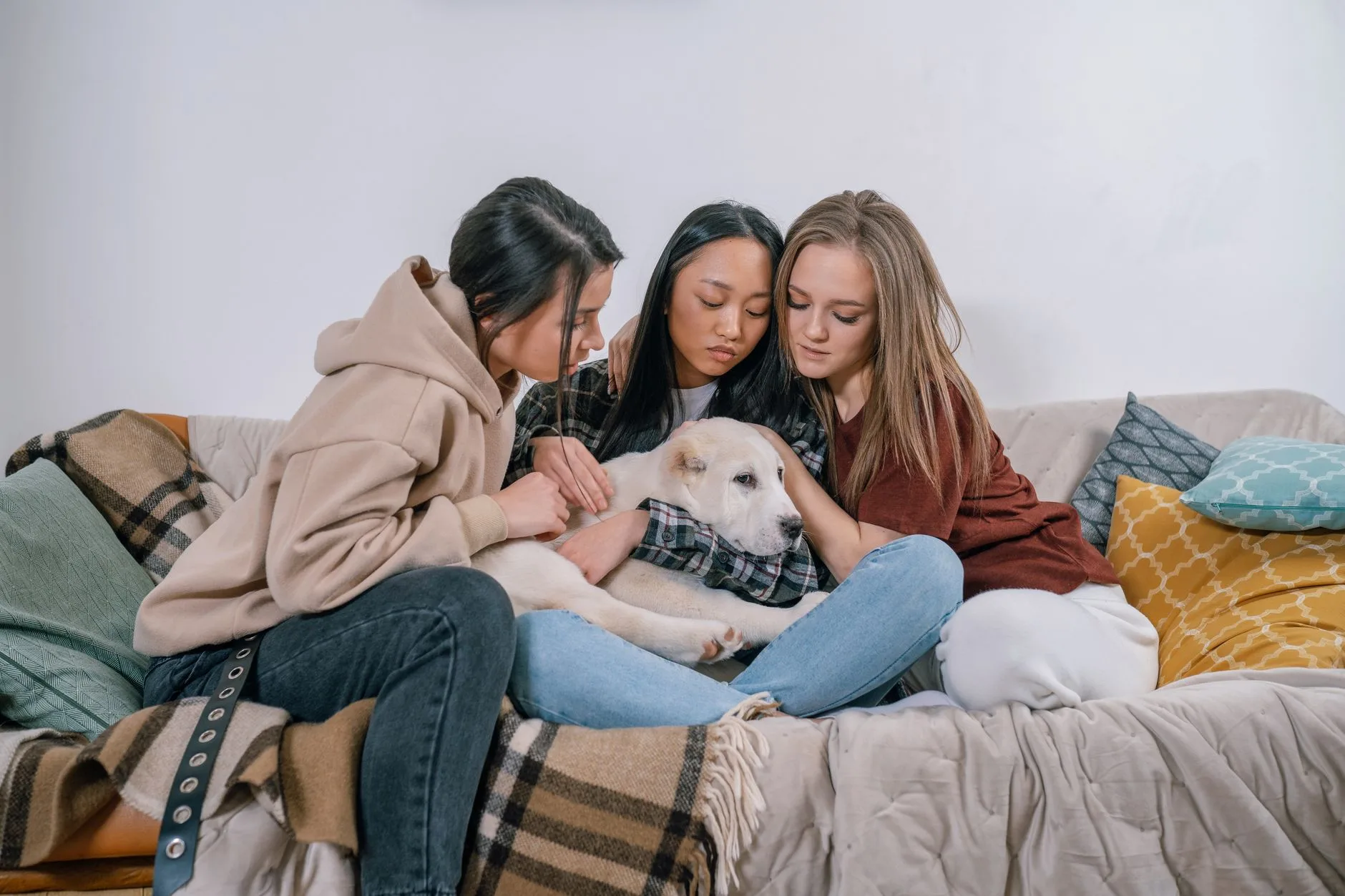
The first days after losing a dog can feel strangely quiet. A routine that once held walks, meals, naps, and familiar little sounds suddenly changes shape. The leash stays where it was, the water bowl is still by the wall, and the house may seem to notice the absence before anyone else does.
For many people, coping with dog loss begins in that quiet. There is often no clear way to prepare for the way grief arrives. It may come as tears, numbness, restlessness, guilt, or a deep tiredness that seems to reach farther than sleep can touch. Dog loss grief is a real and lasting form of mourning, and it often touches more of daily life than people expect. A dog is part companion, part routine, part witness to ordinary days.
Healing after dog loss rarely follows a straight line. Some moments may feel gentle, while others open unexpectedly. A familiar sound, a doorway, a time of day, or the sight of a toy left in the corner can bring everything back at once. This kind of grief has its own rhythm. It deserves care, patience, and room to unfold.
Resources describing stages and coping strategies, like Pet Loss & Grief, can help normalize those mixed feelings.
What makes dog loss grief feel so personal
The bond with a dog is often built through repetition. Small acts, repeated every day, become a shared life. Feeding, walking, brushing, sitting together, and greeting each other at the door all create a kind of language between person and pet. When that presence is gone, it can feel as if a whole part of the day has vanished with it.
Many people are surprised by the depth of their response. They may expect sadness, but not the intensity of it. They may expect a few hard days, then a return to normal life. Yet dog loss grief often moves in waves. A person may manage one hour well, then feel overwhelmed by the next.
This is partly because dogs offer a very steady kind of companionship. They do not ask for polished words or perfect moods. They are there in ordinary moments, and that simple presence becomes emotionally meaningful over time. Losing that kind of relationship can leave a silence that feels wider than it first appears.
The grief can look different from person to person
Some people cry openly. Others go quiet and feel emotionally sealed off. Some keep busy and postpone their sadness until the house is still. Others replay the final days again and again, searching for signs they may have missed.
There is no single way coping with dog loss should look. Grief is shaped by the relationship, the circumstances of the loss, and the person’s own emotional history. A sudden loss can feel disorienting. A long illness can leave behind exhaustion and second-guessing. A planned goodbye can bring relief alongside sorrow, which may be difficult to name at first.
What matters is recognizing that each of these responses belongs within the process of healing after dog loss. None of them make the bond less real.
Common emotions that surface after losing a dog
Dog loss often brings together emotions that seem to conflict with one another. Sadness may sit beside gratitude. Relief may sit beside guilt. Fond memories may come with a sharp ache attached. This mixture can feel confusing, especially when people expect grief to be neat or linear.
Sadness and the ache of absence
Sadness is often the most visible part of grief, but it may not feel simple. It can arrive as tears, heaviness in the chest, or a quiet sense that the day is missing something important. Sometimes it feels less like crying and more like carrying a weight through ordinary tasks.
This sadness may come and go. A person might laugh at a memory in one moment, then feel sadness return in the next. That is part of how dog loss grief tends to move. It is not a sign of going backward. It is a sign that love and memory are still active.
Guilt and the replaying of decisions
Guilt is common after pet loss. Many owners wonder whether they noticed enough, acted quickly enough, chose the right treatment, or made the right decision at the end. This kind of mental replay can become relentless, especially in the first weeks.
It can help to remember that love often makes decisions under emotional strain, and those decisions are rarely made from comfort or certainty. Coping with dog loss may include revisiting hard choices, but healing after dog loss also involves learning to hold those choices with more tenderness than judgment.
For some people, writing down what they knew at the time can help. The note may include the signs they saw, the care they provided, and the reasons they made the decisions they did. That record can soften the mind’s habit of rewriting the past with perfect hindsight.
Numbness and a sense of unreality
Not every grief response feels emotional at first. Some people feel blank, detached, or strangely functional. They may go through the motions of the day while feeling as if the loss has not fully landed.
This can be the mind’s way of easing into something painful. Numbness does not mean indifference. It often means the heart is taking time to absorb what has happened.
Anger, restlessness, and frustration
Grief can stir anger too. A person may feel anger at illness, at age, at the suddenness of loss, at veterinary limits, or at life itself for changing so quickly. There may also be frustration when other people do not understand the depth of the bond.
These emotions are part of dog loss grief for many people. They may feel uncomfortable, but they are often carrying hurt underneath. Naming them gently can keep them from becoming a hidden burden.
The early days after loss
The beginning of healing after dog loss often feels practical before it feels emotional. There may be appointments, decisions, and small tasks that have to be handled while the heart is still adjusting. This can leave a person feeling as if grief is happening in the background of everything else.
In the early days, it may help to lower expectations. Simple things can take more energy than usual. Making food, answering messages, or even choosing what to do with a favorite bed or blanket can feel surprisingly difficult. There is no need to rush these choices.
Let the house change slowly
Some people want to clear things away quickly because the sight of them is too painful. Others need every item left exactly where it was. Both responses are understandable. The space after a dog’s death can feel sacred, and the right pace is often the pace that causes the least strain.
If possible, place items aside before deciding what to keep, donate, or store. A blanket, collar, tag, or favorite toy may carry meaning that becomes clearer later. Coping with dog loss sometimes means giving yourself time before making permanent choices.
Expect memory to sharpen certain moments
In the first phase of grief, the mind often returns to the final day, the final walk, the final vet visit, or the final expression on a beloved face. These memories can feel sharp and difficult. They may repeat without invitation.
It can help to balance those memories with others when ready. A walk in a favorite park, the sound of paws on the floor, or the way a dog used to settle beside the couch can remind the heart that the relationship contained far more than its ending.
Gentle ways to care for yourself while grieving
There is no perfect grief routine. Still, small acts of care can make the days feel more workable. They are not meant to erase sorrow. They simply help the body and mind stay steadier while the grief moves through.
Keep the basics as simple as possible
Sleep, hydration, food, and quiet moments of rest matter more than they may seem. Grief can loosen a person’s relationship with routine, and that can leave the body feeling depleted. A warm drink, a familiar meal, or a short walk outside may create a small anchor in a difficult day.
Some people find it helpful to choose one or two daily anchors rather than trying to maintain a full schedule. That might be a morning cup of tea, a few minutes outside, or sitting with a photo of their dog at the same time each evening. These gentle rituals can support healing after dog loss without asking for too much.
Give yourself permission to pause conversations
Well-meaning people sometimes ask questions that are hard to answer. They may ask whether another dog will help, whether it is time to move on, or whether it was “just a pet.” Those phrases can land harshly, even when no harm is intended.
It is fair to step away from conversations that feel too heavy. A simple statement such as, “I am not ready to talk about that,” can protect a person’s energy while grief is still tender.
Notice what offers comfort and what drains it
Some people find comfort in talking. Others need silence. Some want to look through photos. Others need to wait before opening the gallery on their phone. Some find it comforting to be near other animals, while others feel too raw for that.
There is no single right response. Part of coping with dog loss is noticing what helps the nervous system settle and what adds strain. This awareness can shape the early weeks in a kinder way.
How remembrance can support healing after dog loss
Remembrance is often one of the most meaningful parts of healing after dog loss. It gives grief a place to go. It also gives love a way to remain present, even after the physical companionship has changed.
For some people, remembrance is private and quiet. For others, it becomes a shared family ritual. There is no need for it to be elaborate. The most meaningful gestures are often simple, sincere, and connected to the dog’s own personality.
Create a small ritual
A candle lit at the same time each week. A framed photo placed near the dog’s favorite chair. A visit to a park trail that held many walks. A short pause before bedtime to say the dog’s name aloud. These gestures can offer structure to grief without forcing it into a narrow shape.
Rituals can be especially helpful for children, who often need concrete ways to understand loss. A small ceremony, drawing, memory box, or story shared at home can help them feel included in remembrance rather than left behind by silence.
Keep a memory box or journal
Some people gather a collar, tag, favorite toy, a paw print, vet notes, or handwritten memories into one place. Others keep a journal of stories and moments that seem easy to forget. These records can become comforting over time.
When dog loss grief feels abstract, a memory box can restore texture. It reminds the heart of specific details: the sound of toenails on the floor, the funny habit of leaning against one leg, the way a dog always looked out the window at a certain hour. For additional remembrance ideas, see Best Dog Memorial Gifts.
Share stories in a way that feels natural
Telling stories can be part of healing after dog loss, especially when grief begins to soften enough for memory to feel less sharp. Some people share their dog’s story with family or close friends. Others write it down or post a photograph with a few words in an online memorial space.
Stories matter because they keep the dog’s personality present. They also help the person mourning feel that the relationship was real, seen, and remembered.
Children, partners, and family members may grieve differently
Loss often affects a household in different ways. One person may cry often, while another becomes quiet and practical. A child may ask direct questions one hour and seem ready to play the next. A partner may want to talk through every detail, while another needs silence to process.
These differences can create tension if they are not recognized. Coping with dog loss within a family means allowing each person to mourn in their own style.
Talking with children about a dog’s death
Children tend to benefit from clear, gentle language. Softening the truth too much can cause confusion. Saying that the dog “went away” may leave room for uncertainty about whether the dog will return.
Simple explanations help children feel grounded. It can also be useful to invite questions and to accept that they may ask the same question more than once. Repetition is often how children process major changes.
They may want to draw the dog, create a memorial, or keep a special item nearby. These small acts can support healing after dog loss in a way that matches their age and understanding.
Making room for different grief styles
Adults in the same family may find comfort in different things. One person may want to speak openly about memories. Another may prefer to keep the loss quiet for a while. Neither approach is wrong.
If possible, allow space for different rhythms. A family can still share the same love for the dog even if they express grief in different ways.
When grief feels complicated
Sometimes dog loss grief is tangled with other experiences. A dog may have been the steady presence through a divorce, a move, an illness, retirement, or another major life change. Losing that companion can bring back other losses too.
For some people, the relationship was also tied to caregiving stress, difficult medical decisions, or long periods of watchfulness. The grief may include sorrow, relief, exhaustion, and guilt together. This can feel hard to explain to others.
Loss after a long illness
When a dog has been sick for a while, the period after death may feel empty in a different way. The constant care can suddenly stop, and that change may feel disorienting. A person may miss the dog deeply while also feeling the body relax after weeks or months of stress.
This mixed emotional state is common. It does not diminish love. It simply reflects how closely love and caregiving often move together.
Sudden loss
When a death is sudden, there may be shock along with sorrow. The mind may keep reaching for the normal routine that no longer exists. Some people feel as if the loss has arrived too quickly for understanding to catch up.
In these cases, coping with dog loss may mean giving the experience time to settle into awareness. The mind often needs repeated moments to fully absorb sudden change.
Loss that others do not fully understand
Pet grief can be misunderstood by people who have not shared that particular bond. Their comments may feel minimizing, even when they mean to be encouraging. This can leave a person feeling hesitant to speak openly about their pain.
Finding one or two spaces where the loss can be named honestly may help. That might be with a friend, a support community, a counselor, or through writing. It can be deeply relieving to speak about a dog without having to explain why the bond mattered so much.
What healing after dog loss can look like over time
Healing after dog loss does not mean forgetting. It usually means learning how to carry the relationship differently. At first, grief may feel like the main shape in the room. Later, memory may begin to sit beside sorrow rather than inside it.
This change is often gradual. A person may still miss the dog in sharp, unexpected ways while also beginning to remember with more warmth than pain. A favorite story may become easier to tell. A photograph may bring a smile before tears appear. These shifts are quiet signs that love is finding another place to live.
Grief may return in new seasons
Anniversaries, birthdays, holidays, and even changes in weather can stir emotion months later. That does not mean the grief has restarted. It usually means the mind and body are responding to memory.
Many people find it helpful to expect these moments rather than be surprised by them. A small plan for those days, such as lighting a candle, visiting a meaningful place, or setting aside quiet time, can make them feel less abrupt.
The bond continues in memory
As time passes, the bond with a dog often becomes something that lives in memory, habit, and the shape of a person’s values. The patience learned through caregiving, the joy of companionship, and the daily witness of a dog’s affection do not vanish with death.
They remain part of the person who loved that dog. In that way, coping with dog loss can slowly become an act of carrying forward what was shared.
Meaningful ways to honor a dog after loss
There is no requirement to create a memorial. Still, many people find comfort in choosing one gesture that feels honest to the relationship. Memorials can be private or shared, simple or carefully made. What matters most is that they feel true.
Some gentle remembrance ideas include
- A framed photo in a quiet corner of the home
- A printed paw print or nose print kept with other keepsakes
- A planted flower, shrub, or tree in the dog’s honor
- A donation to a rescue or shelter in the dog’s name
- A handwritten letter describing favorite memories
- A special ornament or seasonal keepsake used each year
- A memorial stone placed in a garden or indoor space
Some families also choose keepsakes that hold a small amount of ashes or a tiny memento, not as a display of grief, but as a quiet way to keep remembrance close. These items can sit gently within a home, carrying meaning without demanding attention.
The right memorial is often the one that feels less like a task and more like an act of recognition.
Signs it may help to seek extra support
Dog loss grief can be intense without being unusual. Still, there are times when support from a counselor, grief group, or trusted professional may help a person move through the days with more steadiness. This is especially true if grief begins to interfere heavily with sleep, appetite, work, or daily functioning for a long period.
Extra support may also help if the loss brings up old grief, trauma, or a deep sense of isolation. Sometimes pet loss opens a larger emotional door than expected. That does not mean anything is wrong. It simply means the loss has touched a tender place.
Seeking support can be a quiet and practical step in coping with dog loss. It can provide space to speak freely, without needing to minimize the bond or make the pain sound smaller than it is.
A slower kind of healing
Grief after a dog’s death rarely asks to be rushed. It asks to be acknowledged. It asks for patience with memory, with mood, with the body’s fatigue, and with the heart’s uneven pace. Healing after dog loss often happens in small returns to ordinary life, where sorrow and love gradually learn to live side by side.
Some days may still feel heavy. Others may hold a surprising sense of peace. Over time, many people notice that the sharpness of loss changes shape, and the dog’s presence feels less absent, more remembered, and sometimes almost companionable in memory.
That transformation does not erase the missing. It makes room for the life that was shared. It allows the bond to remain part of the person who carries it.
And in that quiet carrying, the love is still doing what it has always done. It stays near, it settles into memory, and it keeps its place in the home of the heart.