
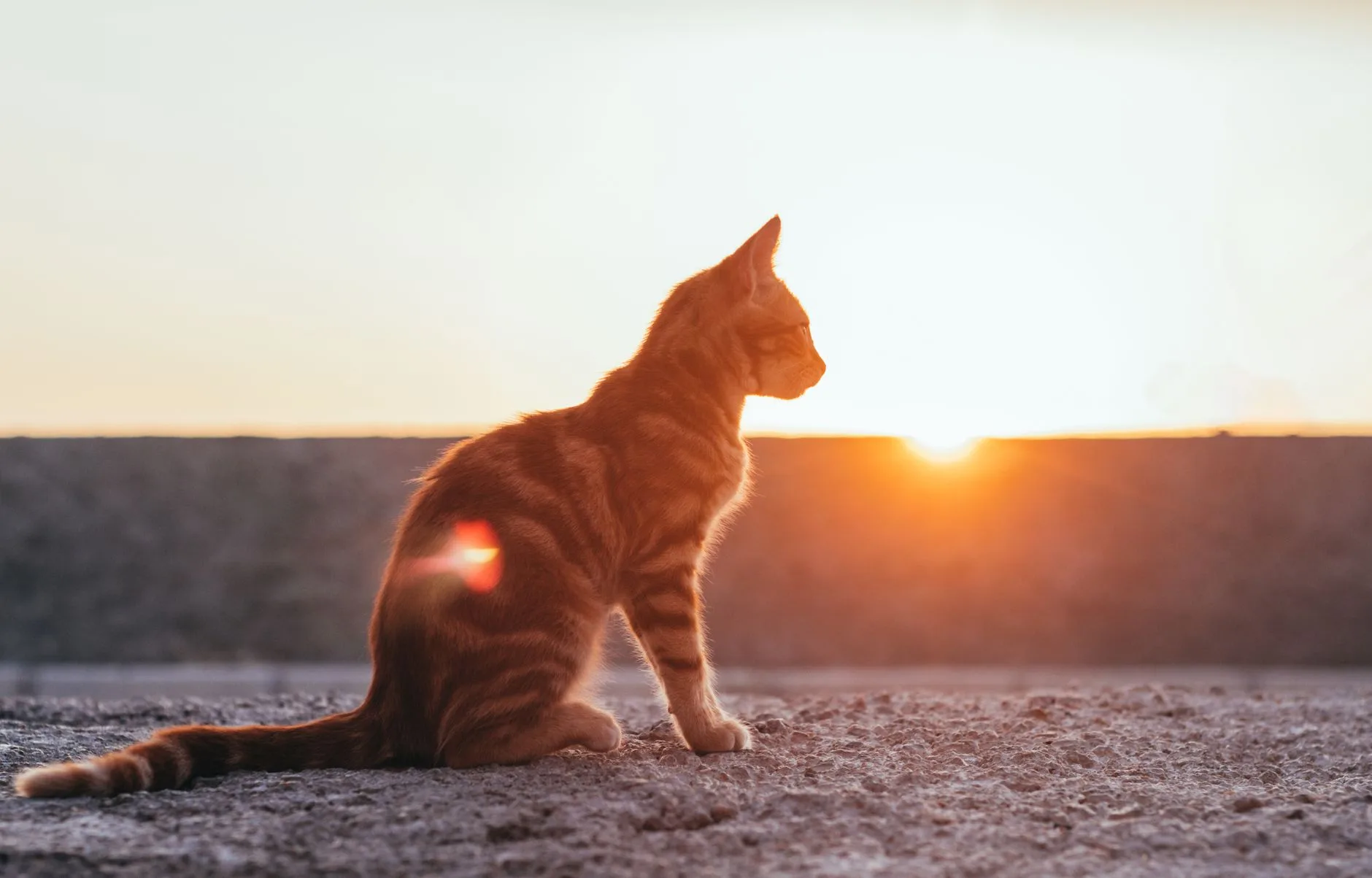
The quiet that follows a cat’s absence can feel strangely large. Their bowl sits in the corner. A favorite blanket still holds the shape of their body. A patch of sunlight reaches the floor at the hour they used to claim as their own. In the middle of ordinary rooms, grief can arrive with a force that feels both personal and private. Coping with cat loss often begins in those small, ordinary places, where love and memory remain long after a pet has died.
Many people expect sadness after losing a pet, yet cat loss grief can carry a depth that surprises them. Cats share daily life in subtle ways. They follow routines, mark time, and offer companionship through quiet presence rather than constant display. That kind of relationship leaves a lasting imprint. When it ends, the emptiness can feel woven into the home itself.
This article offers a calm look at coping with cat loss and the emotional terrain that often follows. It does not ask grief to be neat or quick. It simply makes room for what tends to happen after a beloved cat dies, and for the tender, sometimes uneven path of healing after cat loss.
Many people also find community resources helpful; the Pet Loss & Grief resource outlines coping strategies and support options.
Why the loss of a cat can feel so profound
People sometimes speak about cats as independent, self-contained companions, and that description is partly true. Yet anyone who has lived closely with a cat knows how deeply they become part of a household’s rhythm. They appear beside the desk during work, curl at the feet during illness, greet the morning with a familiar request for food, or wait quietly at the door. Their affection may be understated, but it is often constant.
Because of that quiet companionship, the death of a cat can create a kind of silence that is difficult to name. Some people feel the grief immediately. Others move through the first few days on autopilot and only later realize how much the absence has settled into their body and mind.
Cat loss grief may feel especially sharp when the cat was part of a long routine. A person may reach for the food bowl before remembering. They may listen for paws on the floor during the night. They may find themselves avoiding a particular corner of the house because the absence there feels too present.
There is also the fact that many cat owners carry a quiet, private bond with their pet. Not every relationship with a cat is visible to others, and that can make grief feel less recognized. The attachment is real all the same. Love does not become smaller simply because it was expressed softly.
What grief after cat loss can look like
Grief rarely follows a single pattern. Some days feel heavy, while others seem strangely normal. A person may cry while putting away toys and then feel perfectly calm during dinner. There may be moments of numbness, then sudden waves of sadness that seem to come from nowhere. This unevenness is part of mourning, and it can be unsettling if someone expects grief to look more orderly than it does.
Common responses to losing a cat can include:
- feeling tearful or emotionally raw
- having trouble sleeping because the routine has changed
- expecting to hear or see the cat in familiar places
- feeling guilty about medical decisions or timing
- questioning whether more could have been done
- avoiding reminders of the cat at first, then seeking them later
- feeling detached or mentally foggy
These responses are part of cat loss grief, and they do not mean something is wrong. They often show that the bond was meaningful. Sometimes grief is loud. Sometimes it is quiet and hidden inside routines, waiting to surface when an everyday habit meets an empty space.
There can also be physical effects. A person may feel tired, tense, restless, or unsettled. The body often keeps pace with sorrow before the mind has found words for it. Eating, sleeping, and concentration may all shift for a while.
How the relationship with a cat shapes the grieving process
Every cat-human bond is different, and grief often reflects that relationship. A cat who was playful and outgoing leaves one kind of memory. A shy cat who loved to sit nearby but never on command leaves another. A senior cat who spent years as a steady presence may be mourned in a way that feels tied to the passage of time itself.
Some cats are found at a particular stage of life and become companions through years of change. They may be present through moves, career shifts, family changes, illness, or solitude. When they die, the loss can feel connected to all those chapters at once. This is one reason copings with cat loss can stir so many overlapping emotions. The grief is about the cat, and also about the life they quietly accompanied.
People sometimes feel surprise at how attached they were to their cat only after the death. That realization can bring guilt or confusion. Yet attachment often becomes clearest when routine is broken. The daily check-ins, the small conversations, the shared spaces of a home become visible in their absence.
When a cat was especially private or independent
Some grieving owners worry that because their cat was reserved, their own grief should be smaller. That assumption can be painful. A cat does not need to be constantly affectionate to matter deeply. Some of the strongest bonds are built through presence, trust, and years of quiet companionship.
A cat who preferred distance may have offered love in subtle ways. They may have chosen to sleep nearby, touched a hand with a paw, or waited to greet one special person each evening. Those gestures can mean as much as more outward displays. In mourning, those quiet memories often return with surprising force.
When a cat was part of daily caregiving
For some people, caring for a cat shaped the structure of the day. Medication, feeding schedules, grooming, litter box care, and regular vet visits created a rhythm that centered the cat’s needs. After the loss, the absence of those tasks can leave a strange blankness. The day may feel unanchored.
This type of grief is emotional and practical at once. The body may still move toward familiar routines even after they are no longer needed. That instinct can be disorienting, but it is also part of how love organizes itself in memory.
The early days after loss
The first days after a cat dies can feel unreal. Some people move through them with a sense of shock or disbelief. Others feel every detail sharply. There may be arrangements to make, family members to notify, and decisions about burial, cremation, or memorial keepsakes. Even small choices can feel weighted when the heart is already tired.
During this period, many people find themselves oscillating between practical tasks and emotional pauses. A person may hold it together while speaking to a veterinarian, then cry in the car. They may organize photographs one moment and sit quietly staring at the wall the next. This is part of coping with cat loss in the early stage. It is rarely linear.
If possible, it can help to lower expectations for the first few days. Simple meals, gentle pacing, and a smaller list of obligations may make room for the initial strain of grief. Not every decision has to be made immediately. Some things can wait until the mind feels less crowded.
Small comforts that can steady the day
Not every comfort needs to be meaningful in a grand way. Sometimes it is enough to light a candle, place a soft blanket over the cat’s favorite chair, or leave a framed photo where it can be seen without effort. Small acts can bring a sense of continuity when the household feels changed.
Some people also find it calming to keep one familiar item close, such as a collar, a tag, or a toy that still carries the cat’s scent. Others prefer to gather those things into a special box until they are ready to look through them. Either response is understandable. Grief often asks for gentle pacing.
Guilt, doubt, and the search for what could have been different
Guilt can become one of the hardest parts of cat loss grief. Many owners replay decisions in their minds. They think about a symptom they missed, a veterinary appointment they delayed, or a day they wish had gone differently. These thoughts often appear because love searches for a way to protect itself after the fact.
It can be painful to look back with the knowledge that only exists now. Grief gives hindsight a sharper edge than it deserves. A decision made in uncertainty, with the information available at the time, is not the same as neglect. Yet the heart does not always accept that distinction quickly.
Some people feel guilt because they were absent when the cat died. Others feel guilty because they were present and witnessed the final moments. Some carry doubt around euthanasia, wondering whether the choice came too soon or too late. These are deeply human reactions, and they often reflect the bond more than the facts.
Healing after cat loss may include slowly separating responsibility from regret. That process takes time. It often helps to speak about the cat’s life as a whole rather than narrowing the story to its final chapter. A full life held many moments of care, comfort, and devotion. Grief tends to overlook them at first, but they remain part of the truth.
How children and other family members may grieve differently
In a home where a cat has died, each person may experience the loss in a different way. Children may ask direct questions, then return to play. They may cry suddenly, or seem detached until a bedtime routine reveals how much the cat was part of their security. Adults sometimes mistake this for a lack of grief, when it is often just another expression of it.
Teenagers may grieve privately, or with frustration. Older adults may feel the loss through memories of past pets and the length of time they spent caring for the cat. Partners in the same household may mourn at different speeds. One person may want to talk, while another prefers silence for a while.
These differences can create distance if they are not named gently. It can help to remember that there is no single correct way to mourn a cat. Some people need conversation. Others need routine. Some want to look at photos right away. Others need time before they can do that without feeling overwhelmed.
When families share a loss, it can be meaningful to create a small ritual together. A meal, a candle, a moment of speaking the cat’s name, or a shared memory can bring the grief into a space that feels held rather than isolated.
Finding a rhythm during the first weeks
After the immediate shock fades, grief often changes shape. The house may feel quieter in a more noticeable way. People may return to work or routine and discover that normal life can feel unexpectedly difficult. A coworker may ask an ordinary question that opens a moment of sadness. A lunch break may feel longer than usual. An evening may feel empty without the familiar sound of a cat settling in for the night.
This is often the stage where coping with cat loss becomes a matter of rhythm rather than crisis. There may be less acute sorrow, but more ongoing awareness. A person starts learning how to move through the day with the loss present beside them.
Some helpful adjustments can include:
- keeping one small ritual from the cat’s routine, such as a morning window pause or a quiet evening reflection
- writing down favorite memories while they are still vivid
- allowing belongings to remain untouched until the right time for sorting arrives
- setting aside moments for grief rather than trying to push it away all day
- asking someone trusted to help with practical tasks if attention feels scattered
These are not rules. They are simply ways to give grief a little structure so it does not have to move through every hour without rest.
Remembering the cat in meaningful ways
Many people find that remembrance becomes an important part of healing after cat loss. Memory can be fragile in the first weeks, especially when emotions are intense, so creating a gentle record can be comforting later on.
Some people keep a photo album, a framed portrait, or a small memorial shelf. Others write a letter to their cat, naming the quirks and habits that made them who they were. Some prefer to make a donation in the cat’s name to a shelter or rescue organization. A few hold onto simple keepsakes such as a collar, tag, paw print, or lock of fur. None of these gestures erase grief, but they can give it a place to rest. For cat-specific remembrance ideas, see Best Cat Memorial Gifts.
A memorial can also be personal and quiet. A plant in the cat’s favorite window. A blanket folded in a special chair. A candle lit on the anniversary of their death. The meaning lies less in the form and more in the intention behind it.
Writing helps memory stay close
Many grieving owners find that writing down the small details is unexpectedly healing. The way the cat meowed at breakfast. The sound of paws on hardwood floors. The exact spot they chose during thunderstorms. These details may seem ordinary while a cat is alive, then become precious after loss.
A simple notebook or memory letter can preserve the texture of a relationship. It can also help during moments when grief blurs memory and the cat feels both deeply present and hard to picture clearly.
Creating a memorial space at home
A memorial space does not have to be elaborate. A shelf with a photograph, a candle, a bowl, or a favorite toy can be enough. Some households prefer to keep the space subtle. Others add flowers, a handwritten note, or a framed print. The purpose is not to decorate grief. It is to offer remembrance a place in the home.
For some people, a memorial piece chosen with care becomes part of that space. A stone marker for a garden, a printed portrait, or a small keepsake box may help bring structure to remembrance. Used gently, these objects can serve as quiet anchors rather than symbols of finality.
How grief changes over time
Grief after the loss of a cat does not disappear in a straight line. It tends to soften, return, and reshape itself around daily life. A person might feel more settled for weeks, then suddenly overwhelmed on the cat’s birthday, on the anniversary of adoption, or when cleaning a closet that still holds a toy. These moments do not mean healing has failed. They show that memory remains alive.
With time, cat loss grief often becomes less consuming and more integrated. The cat is still missed, but the memory begins to carry warmth alongside ache. People can speak their names without feeling caught off guard every time. They can remember with affection, and sometimes with a smile, before the sadness arrives.
Healing after cat loss is often less about forgetting and more about learning how to carry the love without being overtaken by the absence. That shift can be subtle. It may arrive in quiet moments, nearly unnoticed at first.
Some people worry that feeling calmer means they cared less. Usually the opposite is true. The mind and body cannot remain in acute grief forever. Over time, they begin to find a new way to hold the relationship.
When grief feels heavier than expected
For many people, the loss of a cat stirs emotions that last longer or feel deeper than expected. That can be unsettling, especially if others seem to move on more quickly. There is no fixed timeline for mourning a pet. The weight of the loss depends on many things, including the length of the relationship, the cat’s role in daily life, the circumstances of death, and the support available afterward.
If grief becomes so intense that eating, sleeping, working, or caring for basic responsibilities feels nearly impossible for an extended period, extra support from a counselor, grief group, or medical professional may help. Seeking care is not a sign of failure. It is a practical response to a strain that has become difficult to manage alone.
Some people also find their grief complicated by previous losses, family conflict, or memories of other pets. A current loss can reopen older sorrow, making the emotional field feel crowded. This, too, is part of the human experience of mourning. One love often carries echoes of others.
Making space for another cat in the future
Questions about adopting another cat often come up before a person feels ready to answer them. Some people know immediately that they will want a cat again someday. Others cannot imagine it for a long while. Both responses are understandable.
A new cat does not replace the one who died. They arrive with their own personality, habits, and way of being in the home. For some people, eventually opening the door to another relationship with a cat becomes a meaningful continuation of care. For others, the idea feels too far away, and that distance deserves respect.
There is no deadline for deciding. The right time, if it comes, often feels less like choosing quickly and more like noticing a quiet readiness. Until then, it is enough to let the memory of the lost cat remain what it is.
What healing can look like
Healing after cat loss does not mean returning to the way things were. The house is different now. The routines are different. The relationship has changed form. Healing often means making peace with that change while keeping the bond intact in memory.
At first, healing may look like getting through the day. Later, it may look like telling a story about the cat without breaking down. It may look like smiling at an old photo. It may look like putting away one item and keeping another close. It may look like accepting that love can remain active even after death.
For many people, the most comforting truth is simple. A cat’s life leaves an imprint in ordinary places. On a chair arm. In the pattern of a routine. On the heart of the person who cared for them. Coping with cat loss means learning how to live with that imprint, not erase it.
A gentle closing reflection
The grief that follows a cat’s death can arrive quietly or all at once. It can be practical, emotional, physical, and deeply personal. It can make familiar rooms feel unfamiliar. It can also reveal how much tenderness lived inside everyday routines.
Over time, the sharp edges of loss often soften. The sadness may still return, but so does memory, and eventually memory may bring comfort as often as ache. The cat remains part of the story, part of the home, part of the life that continues.
In that way, loving a cat does not end with their absence. It changes shape. It becomes remembrance, ritual, and the quiet honoring of a bond that left its mark and stayed there.