
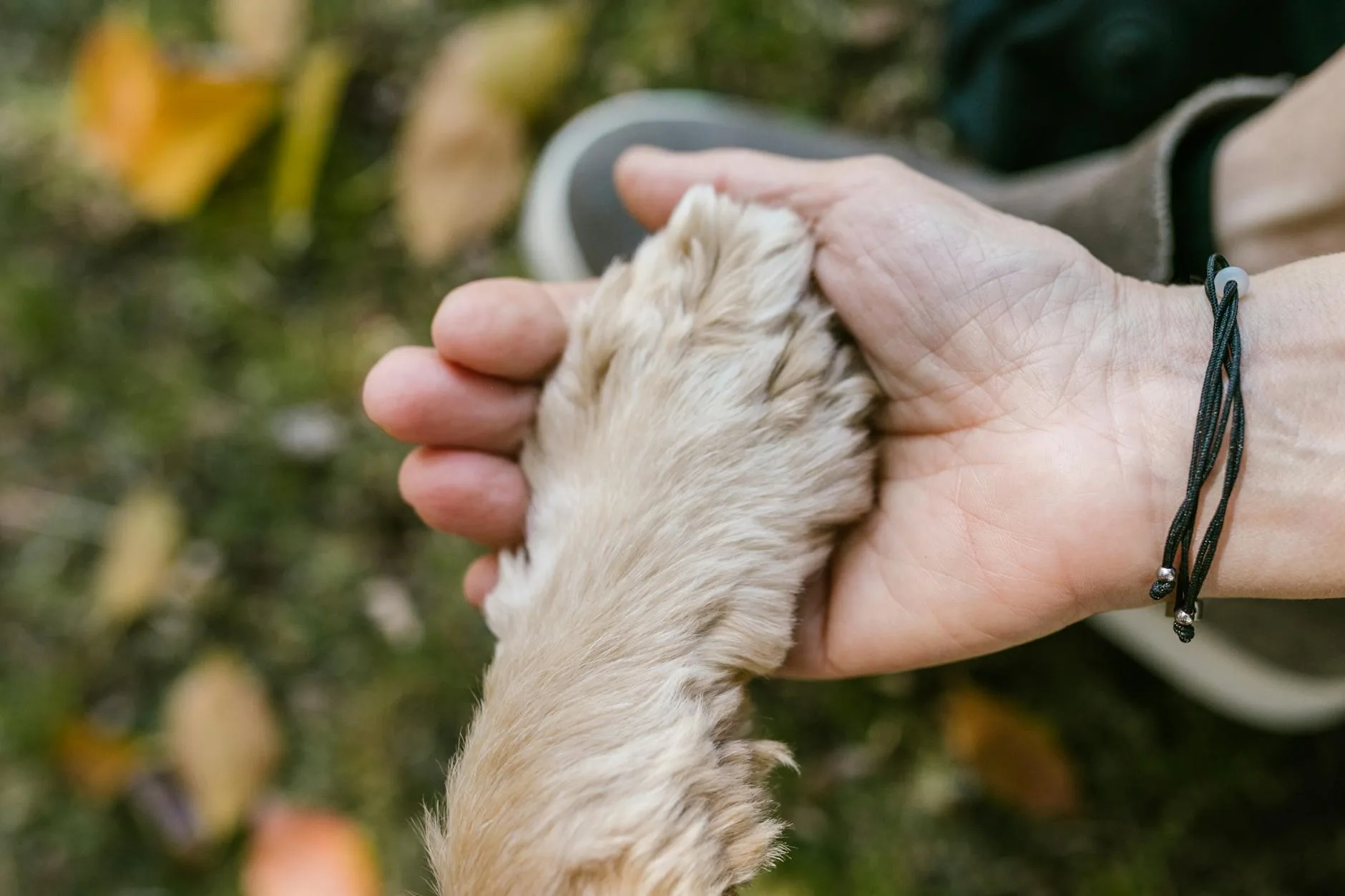
Grief after the loss of a beloved pet arrives quietly at first, then expands into the small parts of daily life where their presence used to be. It can feel like a collection of unexpected moments: an empty bed that still bears their scent, a mismatch of steps on the stairs, a sudden urge to reach into the yard. People often ask how long does pet grief last, searching for a sense of endpoint. The truth is that grief does not follow a precise clock. Instead it moves through phases, changes shape over time, and leaves behind a different but enduring connection.
Many people find further practical guidance and validation in Pet Loss & Grief, which outlines coping strategies and resources.
Why grief after a pet’s death can feel uniquely intense
Pets often inhabit intimate corners of our days. Many are with us for daily routines, solitary evenings, family milestones, and quiet habits. Their presence can feel less like ownership and more like companionship, steady and unassuming. When that companion is gone, the absence is felt in parts of life where human relationships might not reach.
There are other reasons pet grief feels distinct. Pets depend on us completely. Their deaths can bring a sharp sense of responsibility, especially when medical decisions were involved. Some losses are sudden and shocking. Others follow long illnesses and bring relief and sorrow at once. Each kind of ending shapes grief in different ways.
Understanding the phases of grief: a gentle pet grief timeline
Asking how long does pet grief last is understandable. A simple answer would be misleading. Instead, it helps to think in terms of a pet grief timeline, with phases that many people experience. These phases are not linear. People may move back and forth between them, skip some, or experience several at once.
1. Immediate shock and numbness (days to a few weeks)
In the first days, shock can soften the edges of emotion. Some people feel numb, as if they are watching a life moment from a distance. Others may find themselves busy with funeral arrangements, deciding about burial or cremation, or handling practical tasks. That focused activity can be comforting. For some, the immediacy of logistics delays a fuller emotional response.
2. Acute sorrow and searching (weeks to months)
This phase often brings waves of deep sadness. Memories may surface repeatedly. You might find yourself searching the house or calling the pet’s name. Sleep and appetite can shift. Concentration may be difficult. This is when the question of how long pet grief lasts feels most urgent, because the pain is fresh and intense.
3. Guilt, anger, and regret (weeks to months)
Questions about whether you did enough can arrive during this period. Guilt can emerge over decisions made, or not made. Anger may settle in, sometimes directed at the veterinarian, at circumstances, or at oneself. These feelings are a natural part of processing a relationship and its ending, even when rationally you know you acted with love.
4. Adjustment and finding new routines (months to a year)
Over time, daily rhythms begin to shift. Routines tied to feeding, walking, or grooming change. You may create small rituals to remember the pet. For many people, months are when life starts to include moments without the sharpness of loss. That does not mean sadness disappears. Instead the intensity softens and becomes part of the background, arriving in waves rather than floods.
5. Integration and continued remembrance (months to years)
Eventually the grief integrates into the story of life. Memories can bring warmth rather than only pain. The relationship remains meaningful. Anniversaries, birthdays, and everyday triggers can still evoke tears, but those moments are often balanced with gratitude for time shared. How long pet grief lasts in this form varies widely. For some the process moves within a year, for others it takes several years, and for many the sense of loss remains as a tender thread through life.
6. Anniversary reactions and unexpected waves
Even after years have passed, anniversaries or sudden reminders can bring a powerful recollection of loss. A familiar song, a photograph, or a scent can reopen feelings. These reactions are part of an ongoing relationship. They do not mean healing has failed. Instead they honor how deeply the bond mattered.
Factors that shape how long pet grief lasts
Because grief is personal, its length is shaped by many influences. Understanding these factors can make the process feel less mysterious and more navigable.
- Depth of attachment. Pets who were central to daily life tend to leave a larger gap. A companion who was there through illness, major life changes, or long routines often creates a longer period of adjustment.
- Length and quality of the relationship. A decade of shared mornings feels different from a brief, intense companionship. Longer relationships create a richer history to mourn.
- Age and health of the pet. The loss of a young or unexpectedly dying animal can feel particularly unfair and shock the grieving process. A loss after a long illness brings its own complicated mix of relief and sorrow.
- Circumstances of death. Sudden deaths often produce intense shock. Prolonged illnesses may allow for anticipatory grief, which can soften or complicate the aftermath.
- Previous losses. Past bereavements affect current coping. A history of unresolved grief can make current loss heavier, while past mourning that was well processed can provide emotional tools.
- Support network. People who have trusted friends, family, or communities that recognize pet loss often find space to express sorrow. When others minimize the relationship, grief can feel lonelier and take longer to process.
- Family dynamics. Caring for grieving children or handling differing opinions within the family can add layers to mourning. Collective grief may strengthen bonds or create tensions.
- Cultural and personal beliefs. How someone understands death and the afterlife shapes how they grieve. Rituals, faith, or personal philosophies influence the pace of healing.
- Practical responsibilities. Financial strain from medical decisions, arranging memorials, or managing end-of-life care can complicate emotional recovery.
What grief can feel like: common emotional and physical reactions
Grief affects the whole person. Physical sensations, thoughts, and behaviors are all part of the experience.
- Emotional waves. Sadness, anger, guilt, relief, and longing can arrive in surprising combinations.
- Physical symptoms. Fatigue, stomach changes, headaches, and sleep disturbances are common and real.
- Cognitive shifts. Difficulty concentrating, forgetfulness, and replaying moments are normal.
- Behavioral changes. Some people withdraw, others seek company. Some throw themselves into projects to manage the pain.
- Dreams and imagined encounters. Vivid dreams about the pet or moments of sensing their presence are common. These experiences can feel comforting or disorienting.
These responses do not indicate weakness. They are how the heart and mind integrate a loss that mattered.
Gentle ways to cope while the grief is active
The goal of coping is not to rush grief away but to hold it in a manner that allows life to continue alongside mourning. Small, intentional actions can create breathing room.
Create a simple ritual
Rituals help translate feeling into action. Light a candle, bring out a favorite blanket, gather a few photos and sit with them for a few minutes each day. Rituals do not need to be elaborate. Even a quiet moment of remembrance can mark the significance of what was lost.
Build a memory space
A small shelf or box with a collar, a toy, photos, and a paw print can be a living archive. Adding a new item over time, such as a favorite photo or a pressed flower from the yard, allows memory to change shape as you do.
Write or speak about the pet
Journaling can be private and freeing. Write a letter to the pet, record favorite stories, or keep a short daily note about moments you miss. Sharing stories with a trusted friend or family member helps anchor the pet’s place in your life story.
Allow practical tasks their time
Decisions about belongings, ashes, and memorials can be addressed gradually. There is no need to decide everything immediately. Give yourself permission to postpone choices until they feel right.
Care for your body
Grief can strain physical reserves. Gentle movement, nourishing meals, and rest are practical forms of self-compassion. Simple walks can also offer space to think and feel.
Seek connection with others who understand
Some people find comfort in talking with other pet owners who have experienced loss. Support groups, in-person or online communities, or compassionate friends who accept the depth of your feelings can be validating. If talking is difficult, listening to stories or reading memoirs of pet loss can help frame your own experience.
Helping children grieve: age-appropriate approaches
Children grieve differently than adults. Their understanding of permanence develops with age, and their expression can be inconsistent. Gentle honesty and simple explanations are helpful.
Young children
Use clear language that avoids euphemisms. Explain what happened in simple terms and allow questions. Reading a short book about pet loss can give language to their feelings. Encourage drawing or a small ritual that lets them say goodbye.
Older children and teenagers
Older children may benefit from being invited into decisions about memorials or keepsakes. Encourage them to share memories and listen without rushing to fix the sadness. Teenagers might appear stoic while feeling deeply, so check in gently and offer options for expression, such as music, writing, or a shared project.
Family rituals, like planting a tree together or creating a photo album, can help children grasp that the pet mattered and will be remembered.
When grief becomes prolonged or more complicated
Most grieving processes gradually shift over time. Sometimes grief becomes prolonged, causing persistent difficulty with daily functioning. Look for signs such as ongoing inability to carry out regular tasks, intense longing that does not lessen, or persistent numbness that interferes with living.
If grief significantly disrupts work, relationships, sleep, or appetite for many months, consider consulting a mental health professional who understands bereavement. Grief counseling can provide space to explore complicated feelings, address intense guilt, and find ways to integrate loss into life.
Professional help can be especially valuable when there is a history of depression, traumatic circumstances surrounding the loss, or other recent major life stresses. Seeking help is an act of care and does not reduce the love you had for your pet.
Meaningful ways to remember and honor your pet
Remembrance anchors the relationship and keeps the pet present in memory. There is no single right way to honor a companion. The following ideas are gentle suggestions that can be adapted to fit personal taste and budget.
- Create a photo book. Collect favorite photos and captions. The process of choosing images can be a quiet, reflective practice.
- Assemble a memory box. Include collar tags, a toy, a tuft of fur, and written notes. This tactile collection can be soothing to handle.
- Plant a living memorial. A tree, bush, or perennial planted in the yard can mark a place of remembrance that grows over the years.
- Commission art. A simple sketch, a painting, or a small sculpture can capture a pet’s presence with beauty.
- Donate or volunteer. Making a gift to an animal charity or volunteering in your pet’s name can translate loss into ongoing care for others.
- Keep a ritual. An annual moment of reflection, lighting a candle on their birthday, or setting out a favorite blanket each year honors the rhythm of memory.
- Make a playlist. Curate music that reminds you of peaceful times with your pet, and listen when you want to feel close.
Memorial products, when mentioned, can feel comforting. Choose items that reflect your relationship rather than to fill a void. A delicate pendant with an engraved name, a printed photo on a small canvas, or a canvas print for the wall can be meaningful without being commercial.
Family considerations and different grieving styles
Within a household, people grieve in varied ways. One family member may cry openly, another may withdraw, and a child may alternate between play and sadness. These differences can cause misunderstandings. Acknowledging that responses will vary can reduce tension.
Consider gentle conversations where each person shares a memory of the pet. Listening without judgment creates space for multiple ways of honoring the same relationship. If decisions are needed, such as what to do with ashes or belongings, try to reach agreements that respect different needs. Sometimes rotating a keepsake between family members can be a way to share comfort.
Thinking about getting another pet: timing, guilt, and honoring the past
Deciding to bring a new animal into the home can be a tender, complicated decision. Some people feel ready within months, others wait years, and some choose not to adopt again. There is no prescribed timeline for this choice.
Guilt can arise with the thought of loving another animal. That feeling is natural, and it does not mean a betrayal. Each relationship is unique. Honoring a previous pet can coexist with the warmth of a new bond. It can help to acknowledge the former pet in a memorial way before welcoming a new companion.
If children are involved, invite them into the decision. Discuss expectations as a family, and allow space to grieve while also considering the responsibilities of a new pet. The right timing respects both emotional readiness and practical ability to care for another life.
Stories that illustrate how grief changes over time
A few gentle examples can show how personal and varied the pet grief timeline can be.
- Anna and her golden retriever. Anna cared for her dog through several years of slowing mobility. After the dog died, Anna experienced deep relief that her friend was no longer in pain, and an intense loneliness that surprised her. In the first three months she focused on daily tasks. By six months she found comfort in gardening and planting a memorial rose. Two years later, the memories brought a soft smile more often than tears.
- Marcus and his cat. Marcus lost his cat suddenly. The shock left him numb for several weeks, and at night he replayed the last hours. Months passed before routine returned. He joined a small online community where people shared stories, and hearing others helped him name his feelings. After about a year he adopted a rescue cat, not to replace the first pet, but to open his home to another companion.
- Leah and the family dog. When the family dog died, children reacted differently. One child wanted to talk constantly about memories, while another wanted to avoid the topic. Leah created a family scrapbook and a small ceremony in the yard. The ritual gave each child a role, and the scrapbook became a resource when memories felt raw.
Practical tips for the weeks and months after the loss
Small practices help hold grief without trying to speed its course.
- Allow specific time for remembrance. Setting aside a short daily or weekly moment to think of your pet can prevent memories from suddenly overwhelming you during the day.
- Be mindful of triggers. Identify places or times that spark strong emotion and plan gentle self-care around them.
- Ask for practical help. Friends who can bring a meal, help with errands, or simply sit quietly are often more valuable than grand gestures.
- Limit major life changes. If possible, avoid adding big decisions while emotions are raw. Give yourself permission to delay nonessential choices.
- Consider ritualizing objects. Placing a special toy in a keepsake box or framing a collar can transform ordinary items into meaningful reminders.
Language to hold grief with compassion
The words we use shape how we feel about loss. Speaking gently about the pet and the relationship helps maintain a respectful memory. Phrases such as “They were a quiet presence,” or “We shared many small routines,” acknowledge the ordinary facets of companionship that were most precious. Sharing stories with warmth invites others to remember with you.
A calming closing reflection
There is no single answer to how long does pet grief last. Time, circumstance, personality, and support all influence the path. For many, the sharpness of initial loss softens into a steady, tender remembrance. The pet’s presence moves from daily routines into the fabric of memory. Some days will still feel heavy, others will feel light, and both kinds of days are part of how love is carried forward.
Grief is evidence of a meaningful bond. It testifies to care, to daily companionship, and to the quiet ways a pet shaped your life. Let the mourning unfold without pressure. Hold small rituals if they help, speak the pet’s name when you wish, and allow memory to change and keep what mattered most.
2 thoughts on “How Long Does Pet Grief Last? Understanding the Healing Process”