
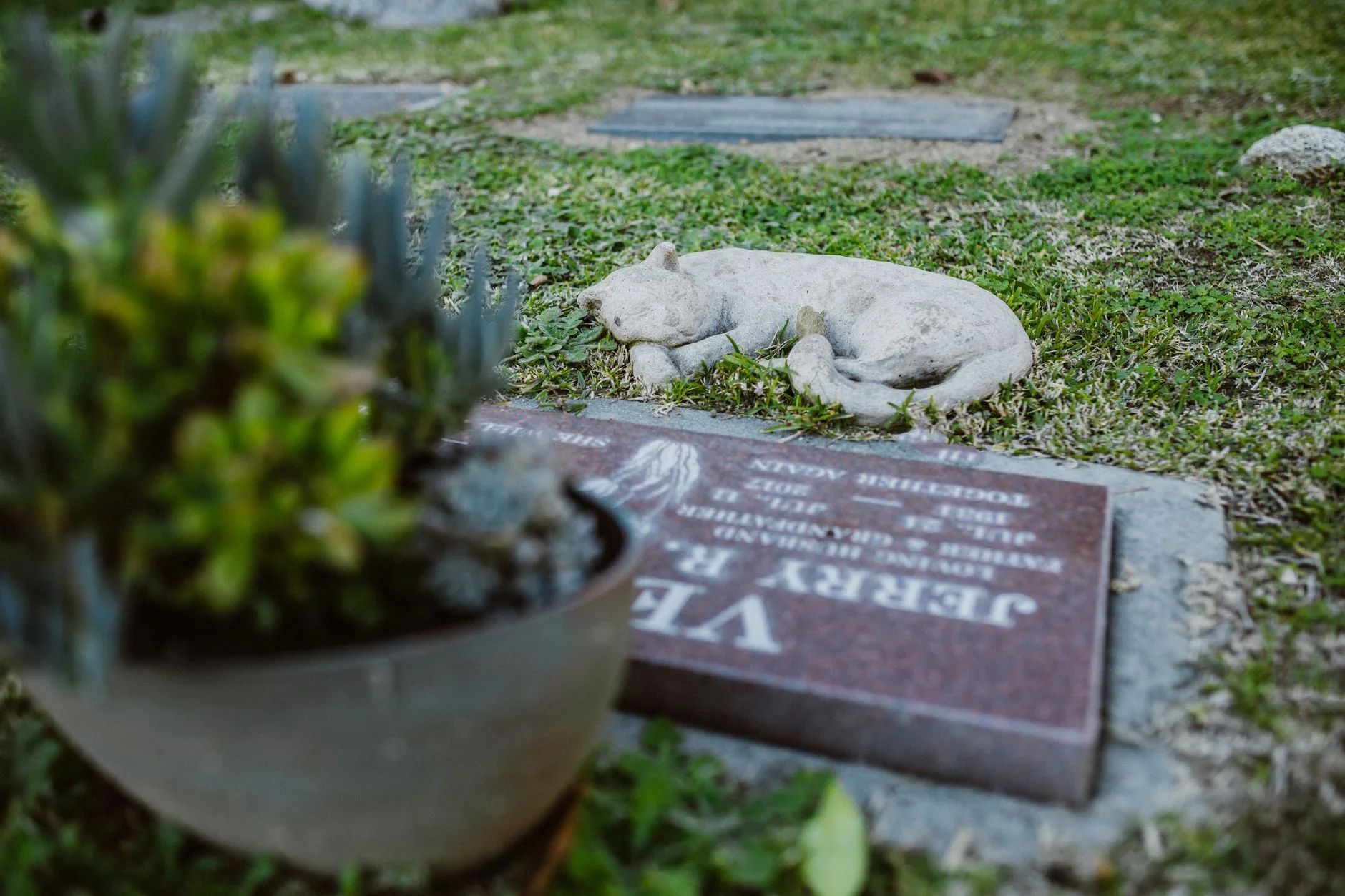
Grief after losing a cat often arrives in quiet, uneven ways. It can sit in the room where a bowl still rests by the wall. It can surface at the sound of a familiar step on the floor or the instinct to check a sunny spot where they used to sleep. For many people, cat grief feels private and hard to describe, especially to those who have never shared daily life with a cat. Yet the attachment is real, and so is the ache that follows when that steady presence is gone.
Cats shape a home in subtle ways. They ask for affection on their own terms, offer comfort without fanfare, and become part of the rhythms of the day. Their absence can leave a strange stillness behind. The house may look the same, but the feeling of it has changed. That difference is often where grief after losing a cat begins, in the ordinary moments that suddenly feel unfinished.
This kind of loss can be deeply personal. Some people cry often. Others feel numb, distracted, or strangely quiet. Some grieve openly, while others move through the day with a careful kind of composure. Grieving a cat does not follow one pattern, and it rarely arrives in a neat order. It tends to move in waves, returning through memory, habit, and longing.
Why the loss of a cat can feel so profound
People sometimes speak about pet loss as if it should be easier than losing a person. In reality, grief does not obey categories. A cat may have shared years of morning routines, late-night company, and wordless companionship. That kind of bond is woven into daily life, and daily life is exactly where grief often hurts most.
Cats also tend to create a special kind of attachment. They may be affectionate in subtle ways, spending time near you without constant demand. They may have their own routines, quiet preferences, and small habits that became meaningful over time. Their individuality becomes familiar, and familiarity becomes love. When the cat is gone, the loss can feel like the removal of a presence you had come to rely on without even realizing it.
For some people, cat grief is complicated by the silence around it. Others may understand the loss of a family member or longtime companion more readily than the loss of a cat. That can leave a grieving person feeling hesitant to speak about their sorrow. The grief itself, though, does not become smaller because it is less publicly recognized.
Practical suggestions for coping and beginning recovery are offered in Grief After Losing a Cat.
What grief after losing a cat can feel like
Grief after losing a cat can show up in both emotional and physical ways. A person may feel sadness, but also restlessness, guilt, anxiety, or a lingering sense of disbelief. The body can respond too. Sleep may become uneven. Appetite may shift. Concentration can feel difficult. Everyday tasks may seem strangely heavy.
There is also the emotional disorientation that can come with grieving a cat. You may catch yourself listening for a sound that will not come. You may reach for a habit built around their care, then remember there is no one to feed, brush, or greet in the same way. These moments can be small, yet they often carry the full weight of the bond.
Many people also experience guilt. They may question whether they did enough, whether they noticed signs too late, or whether a decision made during illness was the right one. That kind of self-questioning is common in pet loss. It can be particularly strong after a cat’s death because cats are often skilled at hiding discomfort. A person may replay medical decisions or final days with a harsh inner voice. Grief often invites this kind of second-guessing, even when the care given was loving and responsible.
Some people feel relief alongside sadness, especially if the cat had been sick or in decline. Relief can be a difficult emotion to name, but it often belongs in the story of loss. When pain has been present for a long time, the end of suffering can bring a complicated quiet. That does not lessen cat grief. It simply reflects the honesty of love and care.
The many shapes of grieving a cat
There is no single way to grieve. Some people cry immediately and often. Others function almost normally for a while, then break down later when a familiar reminder appears. Grief can be delayed, interrupted, or reopened by a date, scent, photo, or season.
Cat grief may also change depending on the relationship you had with your cat. A lap cat who followed you from room to room leaves a different kind of emptiness than a shy cat who preferred a private perch. Yet both relationships matter. Quiet companionship can be just as meaningful as constant closeness.
Children may grieve differently from adults. A child might ask the same question many times, seem fine one moment and tearful the next, or create stories around the cat’s absence that help them make sense of it. Their grief may appear in play rather than words. Adults in the home may need to make room for that, while also tending to their own sorrow.
Older adults may feel the loss with particular weight if a cat was part of the home through years of change, companionship, or solitude. For someone living alone, the cat may have marked time in a very personal way. The absence can feel especially loud in the stillness of the house.
Common thoughts that can arise
- I keep expecting to see them. This is a very common part of grief after losing a cat.
- I should have noticed sooner. Guilt often arrives with love, especially in pet loss.
- The house feels wrong without them. A home can feel altered by absence in a way that is hard to explain.
- I feel sad, but also strangely numb. Emotional distance can be part of the mind’s way of coping.
- I still hear their habits in my mind. Memory often stays vivid long after the physical presence is gone.
Why the first days can feel especially difficult
The first days after a cat dies can feel disorienting because routines have not yet changed around the loss. The body may still move toward the old patterns. You may open a door automatically, prepare food out of habit, or pause at the sound of a noise that once meant your cat was nearby.
These early days can also bring practical tasks that feel strangely detached from emotion. There may be arrangements to make, belongings to sort, or decisions about burial or cremation. Those tasks can intensify the sense of unreality. Some people move through them in a focused way, then find that their grief arrives later, once the immediate demands have passed.
It can help to allow the early days to be imperfect. There is no requirement to be composed, organized, or emotionally tidy. Grief after losing a cat often begins with confusion. That confusion is part of the process, not a sign that something is wrong.
The role of memory in cat grief
Memory can be both tender and painful. In the first weeks, memories may sting because they highlight what is missing. Later, those same memories can become a way of staying connected. The sound of a collar, the way a cat curled against a blanket, the look they gave from the windowsill, these details can become part of how love continues after death.
Many people find that cat grief softens in moments when memory is allowed to appear without pressure. Looking at photos, telling a story aloud, or writing down a small habit your cat had can make the bond feel present rather than merely absent. This is not about forcing closure. It is about making room for remembrance.
Some people keep a small collection of meaningful items, such as a favorite toy, a paw print, a collar, or a photo by the bed. Others prefer a quiet ritual, like lighting a candle on a certain date or sitting for a few minutes in a place the cat loved. These gentle acts can help grief after losing a cat find a shape that feels less scattered.
How families may grieve differently
When a cat belongs to a household, grief may unfold in different ways for different people. One family member may speak often about the loss, while another avoids the subject. A child may want to keep the cat’s bowl in place. An adult may feel ready to clear items away sooner, hoping the space will feel easier to manage. These differences are common, and they can create tension if no one names them carefully.
It can help to remember that each person’s attachment may have been unique. One person may have handled feeding and vet visits. Another may have shared quiet evenings with the cat. Another may have loved them from a distance, watching their routines with affection. Grief after losing a cat often reflects those personal parts of the relationship.
If possible, family members can talk gently about what each person needs. Some may want to keep things unchanged for a while. Others may find comfort in creating one small memorial. There is rarely a perfect pace. A more compassionate approach is to leave room for both remembrance and readiness.
Practical ways to begin healing
Healing after pet loss does not mean forgetting. It usually means learning how to live with the absence while keeping the bond in a gentler form. The path may be slow, and it may look different from what you expected. Small, ordinary actions often matter most.
Allow the grief to be specific
Sometimes cat grief becomes easier to carry when it is named precisely. You may be grieving the morning greeting, the bedtime routine, the warmth of a body at your side, or the sound of paws on a familiar floor. Specific grief is easier to honor than a vague sense of sadness. It helps to identify what, exactly, feels missing.
Keep one simple ritual
A small ritual can give grief a place to rest. This might be placing fresh flowers near a photo, speaking your cat’s name at the end of the day, or sitting for a moment in the place where they once liked to sleep. Rituals do not erase sorrow. They offer structure to something that can feel shapeless.
Let memory be part of the room
Some people worry that keeping reminders will prolong pain. Often, the opposite is true. A few chosen mementos can help the home feel connected to the cat’s life, rather than emptied of it. A framed photo, a printed paw impression, or a collar displayed with care can become a quiet tribute.
Move at a pace that feels honest
There is no deadline for grief after losing a cat. Some days may feel manageable. Others may feel raw again. Healing often comes in pieces. It can help to notice those small shifts without expecting grief to disappear before it is ready.
When guilt becomes part of the mourning
Guilt is one of the more painful parts of grieving a cat. It may appear after an illness, a sudden emergency, or a difficult end-of-life decision. People often ask themselves whether they should have acted differently, noticed more, or somehow prevented the loss. These questions can become a heavy companion to sorrow.
It may help to slow down the inner conversation and look at what was actually known at the time. Love cannot eliminate uncertainty, and caring for a cat often means making decisions with incomplete information. Many final choices are made under stress, with professional guidance, in a moment where perfect clarity is unavailable. That does not make the choice uncaring.
For some people, speaking with a veterinarian afterward can bring perspective. For others, writing down the chain of events from a calmer place helps separate real responsibility from grief’s tendency to rewrite the past. Neither exercise removes sorrow, but it can soften the harshness that often accompanies cat grief.
How grief can change over time
In the beginning, grief after losing a cat may feel close and immediate. Later, it may become quieter, then return without warning. This is one of the more difficult truths about loss. Healing is rarely a straight line. A date on the calendar, a similar meow from another room, or the sight of an old toy can bring the feelings back with surprising force.
That return does not mean healing has failed. It often means the bond remains important. Over time, many people notice that the grief becomes less constant, even if it never disappears entirely. The sharpness may soften. The sadness may come alongside gratitude more often. The memory of the cat may begin to feel warm as well as aching.
Some people feel troubled when they notice moments of joy again. They may worry that laughter or ease means they are forgetting. In truth, healing often includes small returns of ordinary life. A quiet morning without tears does not erase the love that came before it.
Helping children understand cat loss
Children often experience grief in bursts. They may ask whether the cat will come back, whether the cat is cold, or why the cat had to die. Clear, gentle answers tend to help more than vague ones. Children usually benefit from honesty that is simple and calm.
It can also help to let children take part in remembrance. They might draw a picture, place a flower by a photo, or choose a favorite story to share about the cat. These acts can give the loss a shape that a child can hold.
Adults may need to watch for changes in sleep, behavior, or mood. A child who seems to move on quickly may still be carrying grief in quiet ways. Cat grief in children often appears in brief questions, imaginative play, or a desire to revisit the subject after time has passed.
When another pet is in the home
Grieving a cat can become more complex when another pet remains in the home. The surviving animal may search for the missing companion, act unsettled, or change routines. People often notice these shifts and feel an additional layer of sorrow. It can be reassuring to maintain familiar routines where possible, while allowing space for both animals and people to adjust.
Some households find that another pet seems to sense the change in atmosphere. Whether or not one believes that in a literal sense, it is often true that the absence of a companion alters the rhythm of a home. That change can deepen cat grief in quiet ways.
If a new pet is considered at some point, it is usually best to wait until the decision feels grounded rather than reactive. A new animal will have a different personality and relationship. They can bring warmth into a home, but they do not replace the cat who died. Healing often makes more sense when those two truths are kept separate.
Finding ways to remember with care
Meaningful remembrance can be a soft part of healing. It offers a place for love to continue moving, even after loss. For some people, remembrance is private. For others, it becomes a shared family act.
A few gentle ways people honor a cat include:
- Framing a favorite photo in a quiet corner of the home
- Keeping a collar, tag, or paw print in a memory box
- Writing a letter to the cat about what they meant
- Lighting a candle on a special date
- Planting something small in their memory
- Donating food or supplies to a shelter in the cat’s name
- Creating a simple memorial page or album for family and friends
These gestures do not have to be elaborate. In many cases, the simplest acts carry the most feeling. A memorial does not need to be public to be meaningful. A small shelf, a favorite blanket folded with care, or a handwritten note can feel deeply personal.
What healing may look like in daily life
Healing after grief after losing a cat often appears in ordinary moments before it appears in big emotional shifts. A person may eventually sleep more easily, smile at a memory without immediately crying, or keep a favorite keepsake nearby without feeling overwhelmed. These small changes matter.
At the same time, healing can include setbacks. A bad day does not mean the earlier progress was false. It simply means the grief is still part of the landscape. The aim is often not to eliminate sorrow, but to make room for it without letting it take over every part of life.
Some people worry that remembering too much will keep them stuck. Yet remembrance is often part of movement forward. To grieve a cat is also to carry the relationship into a new shape. The bond changes form, but it does not disappear.
When support feels helpful
There may be times when cat grief feels heavier than expected. Sleep may be disrupted for a long stretch. Daily responsibilities may become difficult to manage. The loss may stir deeper grief from another time. In those moments, it can help to speak with a trusted person who can listen without trying to minimize the loss.
Some people find comfort in pet loss support groups, counselors familiar with grief after pet death, or communities where remembrance is spoken of with care. Others prefer private reflection. There is no single path. What matters is finding a place where the loss can be acknowledged without embarrassment or dismissal.
Support can also be practical. A friend might help sort belongings, accompany you to collect ashes, or simply sit with you in silence. The right kind of support often arrives quietly, in a way that respects the relationship and the pace of grief.
How to carry love forward
At some point, grief after losing a cat may begin to feel less like a sudden wound and more like a companion memory. The absence remains, but so does the story of the life you shared. That story includes routines, quirks, habits, and the small ways your cat made a place in the home.
Carrying love forward can mean speaking their name, keeping one photo in sight, or remembering a funny habit that still makes you smile. It can mean allowing the cat’s memory to stay part of the family narrative, rather than closing it away. In many homes, the most lasting tributes are the quiet ones. They live in the places where affection once happened every day.
For some, healing also means noticing that love for the cat has changed how they understand care, presence, and companionship. A loss of this kind can deepen tenderness. It can make ordinary routines feel more precious. It can leave behind a gentler awareness of how much a small life can matter.
A quiet closing thought
Grief after losing a cat often moves at its own pace, shaped by memory, habit, and the particular bond you shared. Some days the loss may feel sharp. Other days it may sit softly in the background, waiting for a familiar reminder. Over time, many people find that cat grief becomes less about the shock of absence and more about the lasting shape of love.
What remains is not only the silence where the cat used to be, but also the warmth of everything they once brought into the home. That presence can be remembered with gentleness. It can be honored in small, quiet ways. And in that remembering, the love does not vanish. It simply learns a new place to live.