
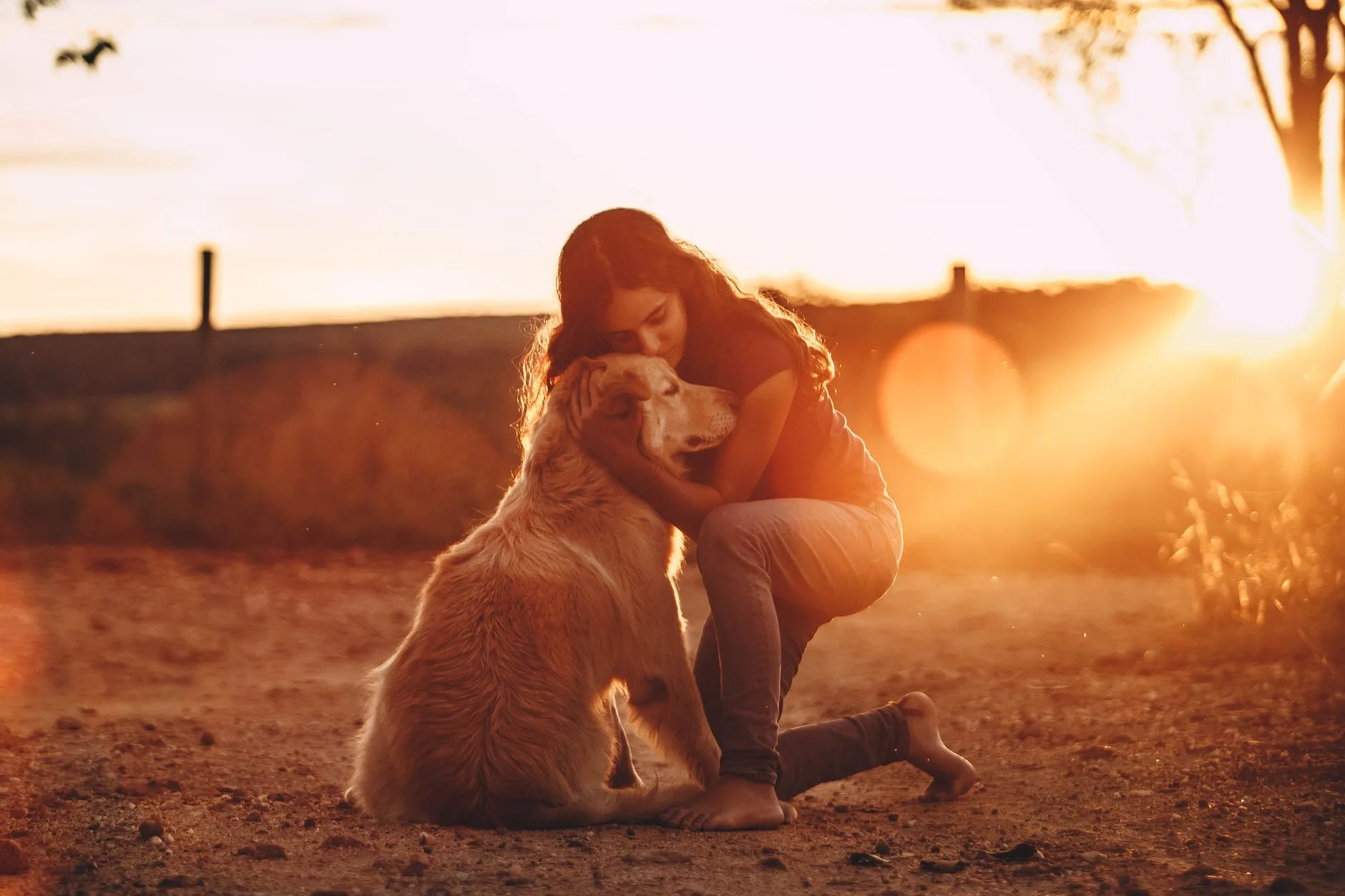
The grief that follows the loss of a pet often arrives in quiet waves. It can sit in the smallest routines, like reaching for a leash that no longer needs to be clipped on, or pausing at a doorway where a familiar set of footsteps used to wait. Healing after pet loss rarely follows a straight line. It moves through memory, absence, tenderness, and the slow work of learning how to carry love in a new form.
For many people, a pet is part companion, part family member, part witness to ordinary life. They are there for early mornings, long evenings, difficult seasons, and peaceful habits that become part of a home’s rhythm. When that presence ends, the change can feel larger than other people expect. Grief may be deep, private, and difficult to describe. It may also arrive in pieces, with moments of calm interrupted by a sudden ache.
Recovering from pet grief does not mean forgetting. It does not mean replacing the bond or trying to return to life exactly as it was before. Emotional healing after pet loss tends to be gentler than that. It asks for patience, remembrance, and room for love to keep its shape, even after the physical presence is gone.
Many people find comfort in creating Pet Memorials that keep a beloved companion present in daily life.
Practical guidance and gentle steps are available in Healing After Pet Loss to help honor memories.
Why pet loss can feel so profound
The grief that follows a pet’s death can feel disorienting because it reaches into daily life in such intimate ways. Pets are often part of the smallest rituals. They wait by the door. They follow familiar paths through the house. They know the tone of a voice before the words are spoken. Their presence becomes a quiet kind of structure.
When that structure disappears, the absence may feel sudden in ordinary moments. A bowl that stays empty. A bed that remains untouched. A sound that no longer comes down the hall. These details can carry more weight than people outside the experience may realize.
Part of what makes healing after pet loss difficult is that the relationship often contains years of consistent affection. Pets do not keep score. They offer companionship without conditions or complicated expectations. When that bond ends, the loss can touch trust, identity, and routine all at once.
The grief is often layered
People grieving a pet may be carrying several emotions at once. There may be sadness, but also guilt, relief, confusion, or exhaustion. If a pet was ill, the grieving period may have begun long before the final goodbye. Caregiving can bring months of fear and hope, along with the heaviness of making difficult decisions.
Some people feel relief when an animal no longer suffers, and then feel uneasy about that relief. Others replay the final days and wonder whether they could have done more. Some grieve the pet itself and the life structure that pet helped sustain. These layers are common, even if they are rarely spoken about with ease.
Emotional healing after pet loss often begins with allowing these layers to exist without forcing them into a simpler story. Grief for a pet is rarely one feeling. It is usually a cluster of memories, questions, and longing.
What grief after pet loss can look like
There is no single expression of loss. Some people cry often. Others feel numb or strangely functional. Some move through their days quietly while carrying a deep inner ache. The grief may surface in ways that seem unrelated at first, such as irritability, trouble sleeping, or a reluctance to return home.
It can help to know that recovering from pet grief often includes shifts in attention and behavior. A grieving person may:
- Reach automatically for old routines, then remember they are no longer needed.
- Keep certain items untouched because moving them feels too final.
- Feel waves of sadness after the first few quiet days.
- Notice the loss most strongly at specific times, such as mornings, meals, or bedtime.
- Experience guilt about laughing, resting, or moving through the day.
- Feel unexpectedly emotional around anniversaries, holidays, or weather changes.
These responses do not mean grief is going wrong. They reflect the ordinary way attachment works. The mind and body remember. Healing after pet loss often involves making space for that remembering without demanding immediate acceptance.
The body carries grief too
Grief is often described as an emotion, but it also has a physical shape. Some people feel tightness in the chest. Others experience fatigue, headaches, reduced appetite, or a sense of restlessness that makes it difficult to settle. Sleep can become lighter or more interrupted. Even simple decisions may feel harder for a while.
This physical strain can be especially noticeable after caregiving has ended. A person who spent weeks or months monitoring medication, lifting, cleaning, feeding, or comforting a sick pet may find themselves suddenly without a task that structured the day. The body can take time to adjust to the shift.
Gentle rest, hydration, and simple meals may sound basic, yet they matter. Emotional healing after pet loss often begins with treating the body as something that has also been through a loss.
Why guilt appears so often
Guilt is one of the most common companions of pet grief. It may sound like questions that repeat in the background. Did I wait too long? Did I act too soon? Was the decision kind? Did my pet know they were loved? Could I have seen something sooner?
These questions arise because people care deeply. They also arise because end-of-life choices for pets are often heartbreaking and morally complex. A pet owner may be asked to decide on treatment, comfort care, hospice, or euthanasia while under emotional strain and often with limited certainty. The decisions are rarely simple. They are usually made out of love, fear, responsibility, and the hope of easing suffering.
Healing after pet loss sometimes means separating guilt from responsibility. Responsibility belongs to the care that was given. Guilt often belongs to the fact that loving a pet means eventually facing limits that cannot be controlled.
When guilt becomes a story
Grief can begin to tell a story that only highlights mistakes. A person may remember one delayed appointment and overlook years of attentive care. They may focus on one difficult day and forget the many gentle decisions made before it. This narrowing is a common part of mourning. The mind often returns to the moment it wishes could have been different.
A steadier view takes time. It helps to remember the larger arc of the relationship. What mattered most was not perfection, but devotion. Recovering from pet grief often becomes easier when the final chapter is seen within the context of a full life shared with care.
The shape of healing after pet loss
Healing after pet loss is less about closure and more about integration. The goal is not to erase the bond. The goal is to learn how to live with love that has changed form. For some, this process is gradual and almost unnoticed. For others, it arrives in clear stages, with days of calm followed by sudden grief.
There is no fixed timeline. A few people begin to feel steadier within weeks. Others need months or longer. Some parts of the grief soften while others remain tender. An anniversary may reopen a feeling that seemed settled. A smell, sound, or room may do the same.
This is one reason emotional healing after pet loss can feel uneven. Progress does not move in a straight line. The heart tends to revisit what mattered.
What changes first
For many people, the first shift is practical. Sleep may slowly improve. Routines may stop feeling as sharp. The home may become less startlingly quiet. Later, memory often changes. The grief may still be there, but alongside it comes a softer ability to remember without immediate overwhelm.
This does not mean the bond has weakened. It means the nervous system is learning that the loss can be held. Recovery from pet grief often includes the capacity to remember with tenderness rather than only with pain.
How family members may grieve differently
Pet loss can affect a household in uneven ways. One person may cry openly while another becomes practical and quiet. A child may ask repeated questions. A partner may want to talk about the pet constantly. Another may avoid the subject because speaking feels too raw.
These differences can create tension, especially when everyone is grieving the same animal in a different way. One person may think another has moved on too quickly. Another may feel pressure to appear strong. These misunderstandings are common and usually come from the same place, which is love mixed with pain.
In families, healing after pet loss often benefits from gentle honesty. It can help to say simple things such as, “I am still having a hard time with this,” or “I need to talk about her,” or “I need a little quiet today.” Shared grief does not have to look identical to be sincere.
Children and pet loss
Children often grieve in bursts. They may ask direct questions, then return to play. Later, a sudden memory can bring tears or anger. Some children worry about whether they caused the loss in some way, especially if they had recently been rough, distant, or forgetful with the pet.
Clear, gentle language helps. Children usually do best with truthful, simple explanations that avoid confusion. They may also benefit from a small ritual, such as drawing a picture, writing a note, planting flowers, or keeping a collar in a special box.
These small acts can help young family members understand that love continues, even when the physical presence has ended.
Meaningful ways to remember a pet
Remembrance often becomes part of healing after pet loss because memory gives grief somewhere to go. Without a way to honor the relationship, sorrow can feel amorphous. A small ritual, a kept item, or a quiet corner of remembrance can give shape to love.
There is no single correct way to do this. Some people prefer something private. Others find comfort in a shared family act. The best remembrance is usually the one that feels honest rather than performative.
Quiet rituals that carry meaning
- Lighting a candle on special dates or at the end of the day.
- Keeping a photo near a favorite window or bookshelf.
- Writing down favorite memories before they blur.
- Planting something living in a place the pet loved.
- Framing a collar tag, paw print, or favorite image.
- Setting aside a small box with a toy, a note, or a blanket.
Some people also choose memorial keepsakes that feel gentle and personal, such as engraved pieces, framed artwork, or other tokens that help keep a pet’s presence close. These items are meaningful because they create a space for remembrance, not because they replace the bond. The bond remains in memory, in habit, and in the quiet ways love continues.
Why rituals help
Rituals do not erase grief. They help grief become livable. A candle, a note, or a daily moment of reflection offers the mind a place to return. That can be especially comforting when the loss feels too large to hold all at once.
For some people, these rituals become part of ongoing emotional healing after pet loss. They offer a way to acknowledge anniversaries, birthdays, or other meaningful dates without needing to suppress sadness or make it disappear too quickly.
Moving through the home after a loss
The home often holds the most immediate reminders. A bed in the corner. Toys behind furniture. A favorite sunspot on the floor. Food bowls. Leashes. A perch by the window. These objects can feel charged with memory in the first days and weeks after a pet dies.
Some people need to put things away soon after the loss. Others leave them as they are for a while. There is no rule that says one choice is more loving than another. The timing depends on how grief is moving through the household.
Healing after pet loss can include carefully deciding what to keep visible, what to store, and what to preserve in a special place. A blanket might be folded into a memory box. A toy might stay on a shelf for months. A water bowl might be washed and saved, or set aside quietly when the time feels right.
A home that remembers
Some homes make room for remembrance in subtle ways. A framed photo in the hallway. A tag hanging near the door. A favorite blanket draped over a chair. These choices can make absence feel less abrupt. They do not keep grief away. They simply allow memory to remain in the spaces where life once happened.
For those recovering from pet grief, the home often becomes part of the healing process. When a person can walk through familiar rooms without feeling overwhelmed every time, that may be one sign that the heart is slowly adjusting.
What to do with difficult memories
Not every memory after pet loss is soft. Some are tangled with fear, regret, or the final moments of illness and decline. People may replay the last hours repeatedly, especially when the death was sudden or when medical decisions were involved. They may wish for a cleaner ending, one that felt calmer or more certain.
These difficult memories can be hard to carry because they sit beside years of affection. A pet who was playful, loyal, or affectionate may still be remembered through the lens of a painful ending. That can distort the whole story if it goes unspoken.
Healing after pet loss often includes making room for both truths. The final day mattered. So did the years before it. The pet’s life was larger than the last scene.
Reframing the final chapter
Some people find it helpful to write down a timeline of care. Not as a checklist, but as a way of seeing the full pattern of devotion. Vet visits, medications, grooming, play, comfort, observation, and difficult decisions all belong to the story. This can gently counter the mind’s tendency to freeze on one painful moment.
Others speak the memory aloud to someone they trust. Sometimes hearing the story spoken with care helps restore a fuller perspective. The final days remain important, but they no longer have to stand alone.
Returning to daily life without rushing
After a pet dies, ordinary life can feel strangely untethered. Mornings may be quieter than expected. Afternoons may feel empty. Even enjoyable plans can carry a shadow of absence because the day no longer begins and ends around care for the pet.
Returning to routine does not mean leaving grief behind. It means learning how to move with it. This often happens slowly, through small acts. Making coffee without crying. Going for a walk and noticing the world again. Cleaning a room that had been avoided. Answering messages. Sleeping a little better. Laughing and then feeling the weight of that laughter.
These moments are part of healing after pet loss because they show that life is beginning to widen again. The loss remains, but it no longer occupies every corner of the day.
Work, travel, and social life
Some practical adjustments can feel surprisingly hard. Returning to work may feel impossible for a few days. Social events may seem distant or unnecessary. Travel can bring guilt, especially if it had once been planned around the pet’s needs or presence.
There may be pressure, internal or external, to resume normal life quickly. That pressure can make grief feel heavier. A gentler approach gives permission to re-enter life in stages. Short tasks first. Then longer ones. Then ordinary obligations. Then, gradually, pleasure and rest.
Recovering from pet grief often feels less like recovery and more like reorientation. The life remains, but it is arranged differently now.
Finding comfort in remembrance without getting stuck there
Remembrance can be nourishing. It can also become a place where grief loops endlessly if there is no movement between memory and living. The balance is delicate. Many people fear that softening their grief means betraying the pet. In truth, continuing to live fully is one way love stays active.
This does not require forcing joy or cutting off memory. It simply means allowing remembrance to coexist with ordinary life. A photo can sit on a shelf while a person goes about the day. A memory can arise during a walk and then pass without overwhelming the rest of the afternoon.
Emotional healing after pet loss often grows in this balance. Memory remains meaningful, and life remains open.
Staying connected without clinging to pain
Some people write letters to their pets. Others keep a small journal of memories, quirks, and phrases that would otherwise fade. A few create annual rituals, such as visiting a favorite park or making a donation in the pet’s name.
These practices can keep the relationship present in a way that feels nourishing rather than stuck. They honor the pet as a continuing part of family history.
When grief feels delayed
Sometimes the strongest feelings arrive long after the loss itself. This can happen when a person has been focused on caregiving, organizing arrangements, or supporting others. Once the practical demands ease, the emotional weight appears.
Delayed grief may also surface when life grows quieter. A move, a new job, a holiday, or a change in season can awaken the sense of absence. A scent, a sound, or a small domestic habit may bring the pet into focus again.
This does not mean healing has failed. It means the grief had not yet found room to fully surface. Recovering from pet grief often unfolds in this way, with emotions arriving when the mind has enough stillness to feel them.
When to seek extra support
Many people move through pet loss with the support of family, friends, routine, and time. Some need more help. That is a normal part of grief, not a sign of weakness. If sadness becomes hard to function with for a long period, or if grief begins to narrow life significantly, reaching out to a counselor, grief group, or trusted professional can help.
Support may also help if a pet’s death stirred older losses, trauma, or overwhelming guilt. Pet grief can open deeper emotional history. A caring outside perspective can help sort what belongs to the present loss and what has been carried for years.
Emotional healing after pet loss can be deeply personal, but it does not have to be solitary. Sometimes a steady witness helps the heart feel less burdened by its own private story.
How love continues after loss
The love people feel for a pet does not disappear when the pet dies. It changes form. It becomes memory, ritual, story, tenderness, and sometimes new acts of care that seem inspired by the pet’s influence. A person may become softer with animals they meet later. They may volunteer, donate, or simply carry a different awareness of how brief and precious companionship can be.
Healing after pet loss may eventually make room for this kind of continuation. The pet remains part of a person’s inner life, not as an ache alone, but as an enduring part of how they understand affection, loyalty, and daily kindness.
Some grief never fully leaves. It softens and settles. It shares space with gratitude. A familiar face remains in memory. A favorite habit still brings a smile. The loss is still real, but so is the life that was shared.
That is often what moving forward with love means. Not moving away from the pet. Moving through life with the relationship intact in memory, allowing sorrow to become quieter, and letting tenderness keep its place.
In time, the moments of remembrance may feel less like fresh wounds and more like a gentle return. The leash, the bowl, the favorite spot in the sun, the sound of a collar tag in a quiet room. These details can still stir emotion, but they can also hold gratitude. They remind a grieving heart that love was present, and that it left a mark worth keeping.
And so healing after pet loss becomes its own kind of remembrance. Quiet. Patient. Human. A way of carrying forward the bond that shaped a home, a routine, and a life shared with an animal who mattered deeply.