
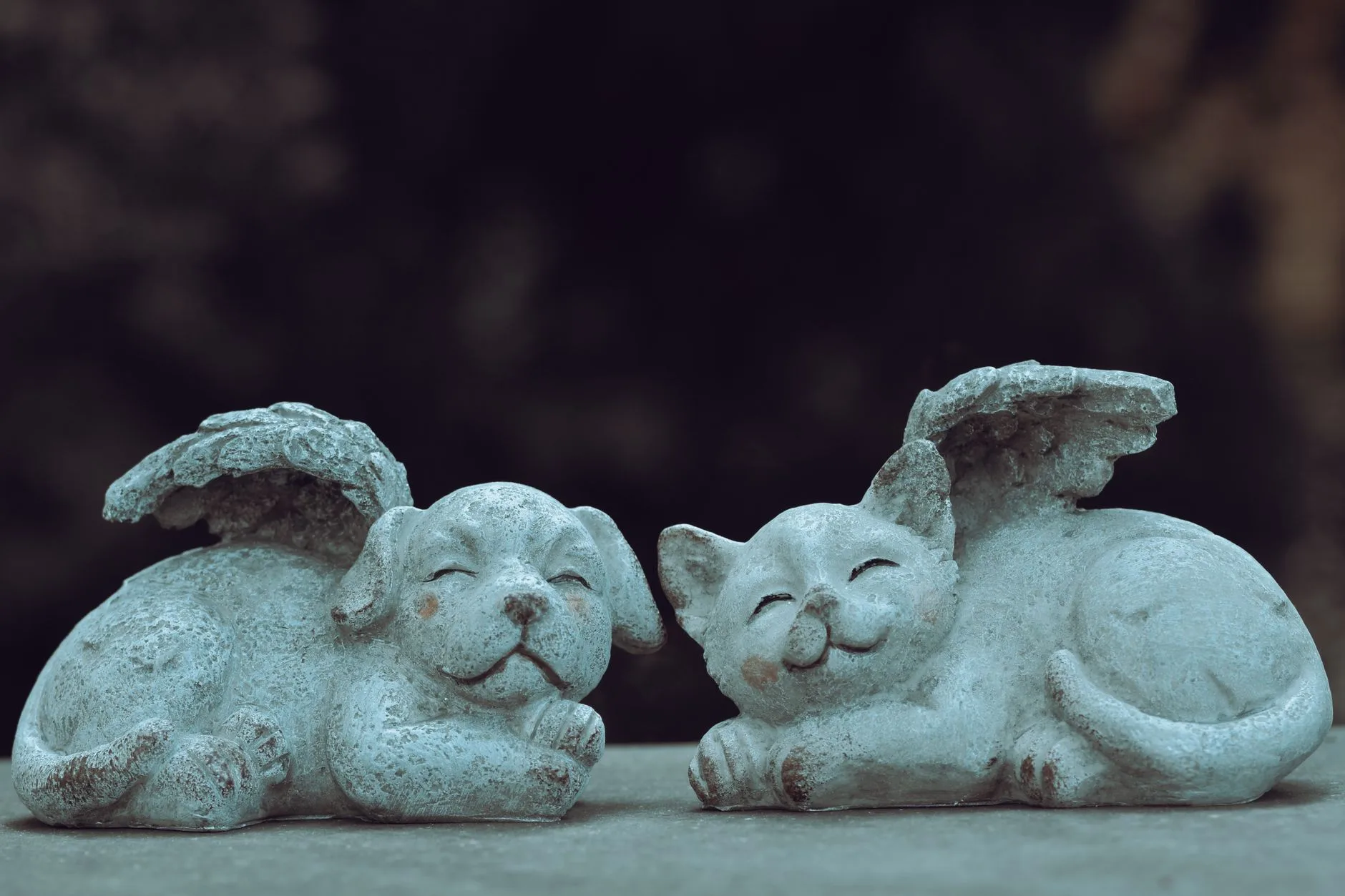
When someone loses a beloved pet, the question can arrive quietly and stay for a long time: do pets go to heaven? It is a simple question on the surface, but it carries tenderness, longing, faith, and memory all at once. People ask it after a dog no longer greets them at the door, after a cat’s favorite chair sits empty, after a rabbit, bird, horse, or small companion has left a home that feels strangely still.
For many grieving pet owners, this question is less about certainty than comfort. It reaches for something beyond the final goodbye. It asks whether love can continue in another form, whether a bond as close and steady as a pet’s companionship could be lost entirely, or whether there may be some kind of afterlife for pets where they are whole, peaceful, and free from suffering.
No single answer can satisfy every heart. Belief about heaven, spirit, and what follows death varies deeply from one person to another. Still, the question matters because it touches a place where grief and hope meet. It reflects how deeply animals are woven into our lives, and how hard it can be to imagine their story ending with absence.
Why this question matters so much
People often expect themselves to grieve a pet in a practical way. They think about the empty leash hook, the unused food bowl, the routines that suddenly have nowhere to go. But grief often moves beyond practicality. It becomes spiritual, emotional, and personal.
That is why do pets go to heaven is such a common question after loss. It is a way of asking whether their presence has truly gone, or whether love leaves a mark that death cannot erase. For some, heaven offers a language for reunion. For others, the idea of an afterlife for pets brings a quiet sense that goodness and companionship should not simply vanish.
Pet loss can stir up memories that feel sharper than expected. A person may remember the exact sound of paws on hardwood floors, the weight of a cat curled against a leg, or the way a dog’s eyes seemed to read every mood in the room. These details matter because they were part of daily life. When they are gone, the mind searches for a place to put them.
Questions about rainbow bridge heaven often appear in those moments. The idea has become a gentle refuge for many, a place where pets are imagined running without pain, waiting in peace, or simply resting after a life of devoted companionship. Whether one sees it as faith, metaphor, or a comforting image, it carries emotional weight because it offers the possibility of continued care.
Many people find the essay Do Pets Go to Heaven? Comfort, Belief, and the Rainbow Bridge echoes their own hopes about reunion.
Different beliefs about the afterlife for pets
People come to this question through different paths. Some approach it through religion. Some through spiritual belief. Some through personal intuition. Some through grief itself, which can open a person to questions they never expected to ask.
Religious perspectives
Many faith traditions include hope, mercy, and the belief that creation is held by something larger than human understanding. Some people find comfort in scriptures, prayers, or teachings that suggest animals are part of a divine plan. Others note that their own tradition does not speak directly about pets in heaven, and they hold the question with humility.
For grieving owners, this uncertainty can feel difficult. The absence of clear answers does not always lessen the longing. Still, many faith communities make room for the love people feel for animals. Clergy, spiritual leaders, and compassionate teachers often recognize that pet companionship is deeply meaningful and that mourning a pet is a real form of grief.
Spiritual and personal beliefs
Some people do not rely on formal religion, yet still believe that animals continue in some form. They may trust that a pet’s spirit remains near, that the bond continues beyond death, or that souls are gathered into peace. These beliefs often arise from personal experiences, dreams, or a sense of presence after loss.
For these owners, the afterlife for pets is less a doctrine than a felt truth. A familiar sound in a silent room. A dream that feels gentle rather than unsettling. A quiet sense that a pet’s love has not disappeared, only changed shape.
A symbolic understanding of rainbow bridge heaven
The phrase rainbow bridge heaven has brought comfort to many families. It paints a tender picture of reunion, where pets wait in a place free of pain and sadness. People often turn to it because it speaks in images rather than arguments. It gives grief somewhere soft to rest.
Even for those who do not take it literally, rainbow bridge heaven can still matter. It becomes a way of honoring a pet’s life with beauty and hope. It offers a story that acknowledges attachment and loss without demanding certainty.
The emotional logic behind the question
When someone asks whether pets go to heaven, they are often asking something more intimate than theology. They may be wondering whether love alone is enough to carry a being into eternity. They may be asking whether their own care mattered, whether every vet visit, every meal, every bedtime routine means something enduring.
The question can also carry guilt. A pet owner may replay decisions made near the end of life. They may wonder whether they acted quickly enough, whether suffering was eased enough, whether the last days were gentle enough. The hope of heaven can become a place where those regrets might be softened.
There is another layer too. Pets live beside people in a way few relationships do. They witness ordinary moments, illness, joy, quiet afternoons, and household rhythms. They do not require polished words. They simply stay close. That kind of constancy creates a deep emotional bond, and when it ends, the mind reaches for something that can hold the weight of it.
In that sense, asking do pets go to heaven is also a way of honoring how serious the relationship was. It says that this was not a minor attachment. It was a living bond with daily shape and emotional depth.
Why grief for pets can feel so private
Pet loss is sometimes misunderstood by people who have not lived through it in a deeply personal way. Because pets do not speak and because their role in a household can seem ordinary to outsiders, grief may be minimized by others. But those who loved the animal know better. The loss reaches into routines, identity, and home itself.
A person may miss the morning greeting, the sound of tags at the door, the pressure of a cat settling onto a lap during a difficult day. These are small moments that add up to a life shared closely. When they are gone, the silence can feel unfamiliar in a way that is hard to explain.
This is one reason belief in the afterlife for pets can feel so personal. It protects the intimacy of the bond. It says that a relationship built through daily care, affection, and trust might be worthy of continuation.
How people cope while carrying the question
Grief does not move in a straight line. Some days a person may feel steady. Other days a memory can bring tears without warning. Questions about heaven and reunion may rise and fall alongside this movement. There is no single correct way to hold them.
Some people find comfort in prayer or reflection. Others read poems, light candles, or look through photographs. Some speak to their pet aloud, as if continuing a conversation that feels unfinished. Some prefer quiet. They may sit in the spot where the pet used to sleep and simply let the day pass slowly.
There are also those who avoid the question for a time. They may not be ready to think about heaven, spirit, or what comes after. That too is a form of coping. Grief can be patient in some seasons and intrusive in others. A person may return to the question later, with more softness than they had before.
What matters is that there is no requirement to settle the mystery quickly. The question can be carried gently. It does not need to be solved in one sitting.
Children and the question of heaven
Children often ask the question more directly than adults do. They may want to know whether a dog has wings now, whether a cat is sleeping in the sky, or whether a hamster has found a soft place to run again. Their questions can be simple and heartbreakingly sincere.
Adults sometimes struggle with how to answer. They may want to protect the child from sadness, yet also speak honestly. The best answers often leave room for imagination and comfort without forcing certainty.
Some families talk about rainbow bridge heaven as a gentle picture. Others speak about memory, love, and the idea that pets remain part of the family’s story. A child does not always need a perfect explanation. Often, they need a calm voice, a little space to ask again later, and permission to keep loving their pet openly.
These conversations can matter for adults too. In speaking with a child, a grieving parent sometimes discovers language for their own grief. A simple, honest explanation can make the whole family feel a little more held.
Signs people often look for after a pet dies
Some grieving owners notice themselves looking for signs. A familiar dream. A breeze at a certain moment. A sudden sense that the pet is nearby. A feather, a rainbow, a shape in the corner of the eye. These experiences may or may not feel spiritual, but they often bring comfort.
People are careful with such moments. They know they cannot prove anything. Still, grief has a way of making meaning from small things. When a bond has been central to daily life, it is natural to wonder whether the pet has left traces behind.
For some, these signs strengthen belief in an afterlife for pets. For others, they are simply part of how memory works. Either way, they can soften the edges of absence. They remind a person that love has a way of remaining vivid, even when the physical presence is gone.
How remembrance helps the heart make room
Whether someone believes pets go to heaven literally or symbolically, remembrance often becomes the bridge between sorrow and peace. Memory gives grief a place to land.
Some families create a small shelf with a collar, photo, or clay paw print. Others plant flowers in a favored spot in the yard. Some write letters to their pet. A few keep the toy that was always carried around the house, or frame a picture from a favorite walk. These acts are simple, but they are often deeply meaningful.
Remembrance does not erase loss. It gives loss shape. It says this life mattered. This companion mattered. The care shared here deserves to be held with gentleness.
For some people, a memorial object can become part of this process. A framed print, a keepsake box, or a small marker placed near a resting place can provide a sense of continuity. Used quietly and respectfully, these things can help transform grief into ritual.
Simple remembrance rituals
Rituals do not have to be formal to be meaningful. In fact, many of the most comforting ones are small.
- Lighting a candle on the pet’s birthday or adoption day
- Sharing stories about the pet during family meals
- Keeping a photo where it can be seen daily
- Planting a tree, herb, or flower in the pet’s memory
- Writing down the funniest habits or sweetest routines
- Visiting a favorite walking path or resting place
These gestures can help grief move through memory rather than around it. They give shape to love that still needs somewhere to go.
The difference between hope and certainty
Part of what makes do pets go to heaven such a lasting question is that it lives between hope and certainty. Hope allows tenderness. Certainty often feels harder to claim.
Some people need a definite answer. Others are comforted by mystery. Many live somewhere in the middle, holding a hope that feels real without needing to define it too tightly. There is room for that middle place.
Hope can be enough to steady a person through the early days after loss. It can make a quiet room feel a little less empty. It can soften the finality of death without pretending that grief has been solved.
Certainty, for those who find it, may come through faith. For others, comfort may come from the ongoing act of remembering. Both paths deserve respect.
When grief changes shape over time
At first, grief may be sharp and repetitive. A person may expect to hear the collar jingle or see the pet at a familiar corner. Days can feel strangely organized around absence. Then, with time, grief often becomes quieter, though not necessarily smaller.
Later, the question of heaven may return in a different form. A grieving owner might stop asking whether the pet is gone and begin asking how to keep the bond alive in a new way. They may think about what their pet taught them about devotion, routine, play, patience, or presence.
For many, this is where the afterlife for pets becomes less about location and more about meaning. The pet’s life continues in habits, stories, and the shape of the home that remembers them. The bond does not disappear simply because the body is gone.
That kind of continuity can be deeply consoling. It allows the relationship to remain part of daily life, even in changed form.
Why the idea of rainbow bridge heaven endures
Some images stay with people because they speak to something tender and unresolved. Rainbow bridge heaven is one of those images. It offers movement, color, and rest. It imagines a place where suffering has ended and reunion may one day happen.
Part of its staying power comes from its gentleness. It does not demand complicated doctrine. It meets grief with imagery. For a person mourning a pet, that can feel like a gift.
The bridge also carries emotional truth. Pets bridge the ordinary and the extraordinary in human lives. They become part of the household pattern, yet they also bring wonder, laughter, and a sense of companionship that feels larger than daily routine. A bridge is a fitting symbol for that kind of relationship.
How to speak about a pet after loss
Sometimes people worry that speaking about a deceased pet will deepen sadness. Often the opposite is true. Saying the pet’s name, recalling favorite habits, or telling one more story can be a way of keeping connection alive.
A family might laugh again about a dog who stole socks or a cat who loved warm laundry. A person might remember how a bird learned a favorite tune or how a rabbit nudged a hand for attention. These memories can bring tears, but they can also carry warmth.
Sharing memories is one way people answer the question of whether pets go to heaven. If a pet’s presence continues through stories and affection, then in some sense, the bond remains active. Love still has a place to land.
When the house feels different
One of the hardest parts of pet loss is the way the home changes. The bowl stays clean. The bed stays empty. Certain corners become too quiet. A person may find themselves adjusting to the absence in small ways, such as avoiding the old feeding time or moving through the day with less structure.
These changes are emotional, not merely practical. They reveal how much of a household’s life was organized around the pet’s presence. The loss is felt in the architecture of the day.
In that stillness, questions about heaven often grow stronger. If the pet is somewhere peaceful, many people feel relieved by the thought. They may imagine comfort where their home now feels bare. That image can be enough to make the silence more bearable.
What it means to honor a pet’s life
To honor a pet’s life is to recognize that their companionship had depth. It is to remember the trust they offered, the routines they shared, and the way they shaped a household into a home. That honoring can happen through ceremony, conversation, remembrance items, or quiet reflection.
Some owners choose to create a memory box with photographs, tags, and written notes. Others keep a favorite blanket folded where the pet once slept. Some commission a portrait. Others keep things simpler, trusting memory to do the work.
There is no hierarchy here. A grand memorial and a single candle can each hold real meaning. The measure is not size. It is love.
What people often hope for most
At the heart of this question, many people are hoping for peace. They want their pet to be safe, free from pain, and surrounded by gentleness. They want the last moments to be understood in the context of a fuller life. They want the ending to be kind.
That hope reveals something beautiful about the human-animal bond. We do not ask whether pets go to heaven simply out of curiosity. We ask because we care. We ask because their lives mattered to us in a way that shapes how we understand loss itself.
In that sense, the question becomes an act of devotion. It says that the pet’s life was worth remembering, worth mourning, and worth imagining as ongoing in some peaceful form.
Living with unanswered questions
Not every question can be resolved, and grief often leaves some of them open. A person may never know with certainty what happens after death. That uncertainty can feel frustrating, but it can also make room for tenderness, faith, and imagination.
Living with unanswered questions is part of loving something deeply. It is part of being human. When a pet dies, the heart may continue to ask what the eyes cannot see. There is no shame in that. The question itself is a sign of attachment and care.
For some, the answer will be prayer. For others, memory. For others, the quiet comfort of rainbow bridge heaven. A few may find peace in simply saying, “I hope so,” and letting that be enough for now.
A gentle place for the question to rest
So, do pets go to heaven? For many people, the deepest answer is one of hope. Faith traditions, spiritual beliefs, and the enduring image of rainbow bridge heaven all offer ways of imagining that a beloved pet’s journey is not defined only by loss. They suggest that love may continue beyond what can be seen.
There is comfort in that possibility. There is also comfort in remembering that the life shared here was real, loving, and shaped by daily acts of care. A pet’s presence leaves traces in a home, in family stories, and in the quiet habits that remain after they are gone.
Whether heaven is understood as a sacred destination, a spiritual hope, or a tender metaphor, the question points toward the same longing. It asks whether a bond so faithful can end in silence. For many hearts, the most soothing response is to believe that such love is held somewhere, somehow, with gentleness.
And if the question returns again tomorrow, or next month, or years from now, it can be met the same way. Softly. Honestly. With room for memory, grief, and the quiet hope that love does not disappear simply because a life has ended.