
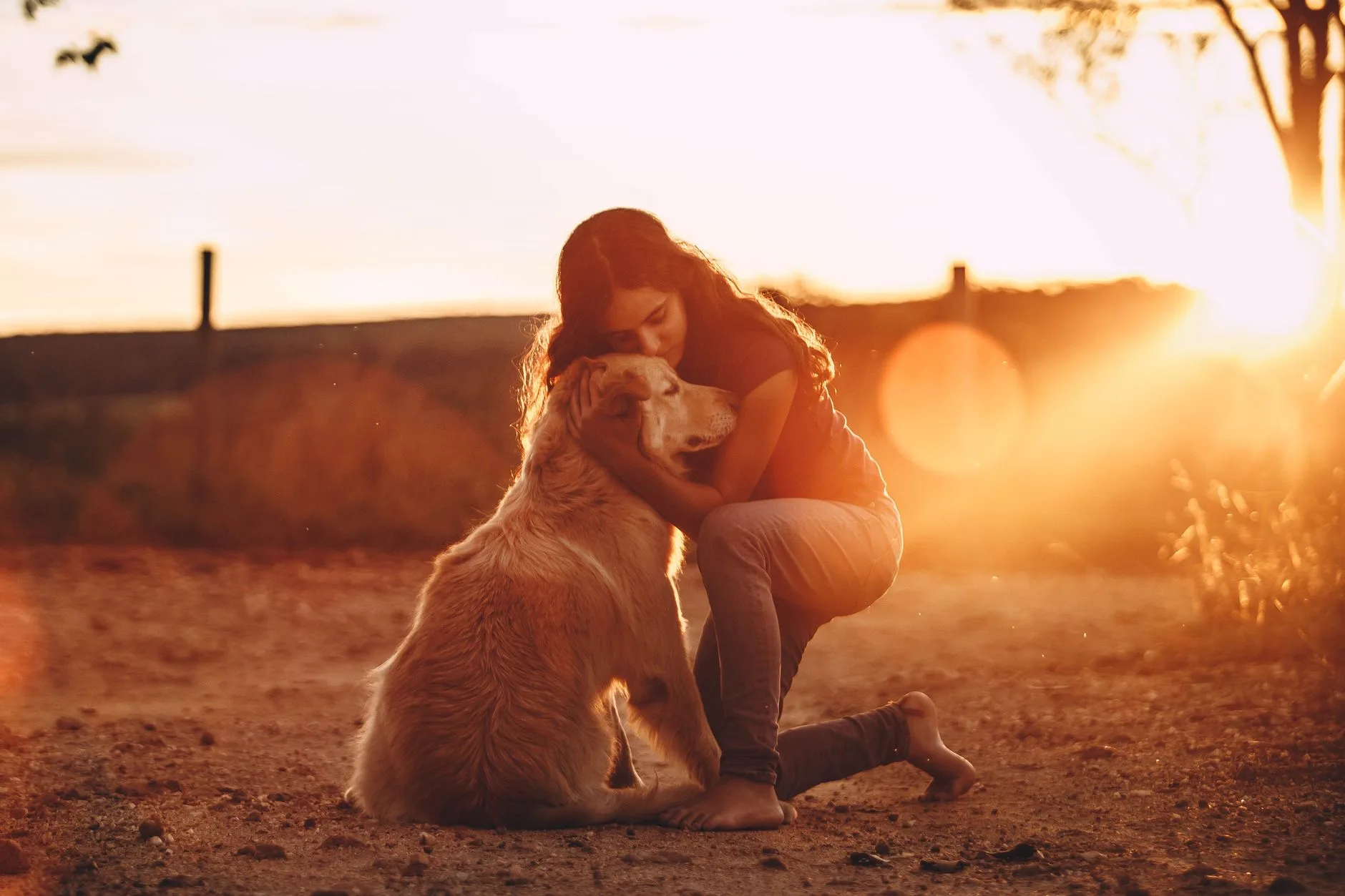
Grief after a pet dies can feel oddly larger than the world around it. One moment there is a habit, a sound, a small set of daily rituals that shaped your days. Then there is silence, and the silence seems to carry more weight than people expect. This is part of why losing a pet hurts so much. The loss reaches into ordinary life, into the spaces where love lived quietly and consistently.
For many people, pet grief pain is hard to explain because it does not always resemble the grief others recognize right away. A pet may have been a companion, a comfort, a witness to private life, and a source of steady affection that asked for very little in return. That kind of bond can be deep, intimate, and beautifully ordinary at the same time. When it ends, the emotional pain after losing a pet can feel sharp, disorienting, and deeply personal.
This kind of grief deserves room. It deserves a slower look, one that honors the relationship itself. Understanding why losing a pet hurts so much can bring a little shape to something that often feels shapeless.
The bond with a pet is built through everyday closeness
People often think of grief as something that arrives only after a dramatic event. Pet loss is different. The ache often comes from the accumulation of small, repeated moments. Feeding a dog each morning. Hearing claws on the floor. Feeling a cat settle near your feet at night. Watching a bird respond to your voice. These rituals become part of the emotional architecture of a home.
That is one reason the loss can feel so large. Your pet may have been present in hundreds of ordinary moments that never seemed remarkable while they were happening. Together, those moments formed attachment. They formed trust. They formed a private language of glances, routines, and care.
When that presence is gone, the mind notices the absence everywhere. A bowl sits untouched. A bed remains in the corner. A leash hangs by the door. These are simple things, but they can carry the weight of memory. The emotional pain after losing a pet often grows from the fact that the relationship lived in the smallest parts of daily life.
Why losing a pet hurts so much in ways people do not always expect
There is a particular kind of grief that comes from loving an animal who depended on you, trusted you, and fit into your life with gentle consistency. That grief can feel intense because it is rooted in care. You were responsible for your pet’s comfort and safety. You learned their preferences, their moods, their odd little habits. You became part of their world, and they became part of yours.
When they die, some people feel sorrow. Others feel guilt, numbness, anger, or a strange sense of unreality. Some people move through all of these in the same day. None of this is unusual. Pet grief pain often arrives with mixed emotions because love and responsibility were intertwined. The mind may replay final days, second-guess decisions, or revisit moments that now feel heavy with meaning.
There is also a quieter loss that can be easy to overlook. A pet often offers a kind of acceptance that feels uncomplicated. They greet you without judgment. They rest beside you without asking for explanations. They absorb tension with an innocence that can feel restorative. Losing that presence can stir a grief that is about more than absence. It is also about the loss of a certain emotional atmosphere in the home.
For some, the question of why losing a pet hurts so much becomes more difficult because the pet was a constant during a difficult chapter of life. A pet may have been there through illness, loneliness, caregiving, a move, a divorce, a child leaving home, or a season of change. When the pet dies, the loss carries all of that history. The grief becomes layered.
Pet grief pain often includes both love and responsibility
When a pet becomes sick or reaches the end of life, the emotional pain after losing a pet can begin long before the final goodbye. Caregiving can be tender and exhausting. It can involve medication schedules, late-night worry, difficult appointments, and the quiet hope that tomorrow may feel a little better. This period often leaves people emotionally stretched.
That stretch can create a very specific kind of grief. You may feel relief that suffering is over, sorrow that the end has come, guilt for wanting peace, and gratitude for the time you had. These feelings can coexist. They often do.
Some owners also carry the burden of medical decisions. Euthanasia, hospice care, and end-of-life choices can weigh heavily because they are made with love and uncertainty at the same time. The heart may keep asking whether the timing was right or whether something else could have been done. This questioning is common. It does not mean you did something wrong. It means your attachment was deep enough to make the decision matter.
Pet grief pain can be especially strong when you were the one who stayed close, watched the decline, or made the final call. That closeness is its own form of devotion. It can also leave you carrying the memory of those last moments in vivid detail. Such memories often take time to soften.
The mind tries to make sense of absence
Grief asks the mind to hold two realities at once. Your pet is gone, and yet so many parts of your life still expect them to be there. This mismatch can feel unsettling. You may glance toward the doorway, listen for familiar footsteps, or reach instinctively for a routine that no longer has a place to land.
This is one reason the early stage of grief can feel so strange. The brain is trying to adjust to an emotional absence that does not match years of habit. It may take a while for the reality of the loss to settle in, especially if the pet had been with you for a long time.
Some people describe the experience as walking through the day with a bruise they cannot see. Others feel as if life has become slightly unreal. Small tasks can seem difficult because the mind keeps returning to the same fact: the companion who anchored so many moments is no longer physically present.
This is part of the reason why losing a pet hurts so much emotionally. The mind is grieving the relationship, but it is also adjusting to an absence that touches routine, memory, and identity. A home can feel different when the one who gave it a certain rhythm is gone.
The grief can be deep even when others do not understand it
One of the hardest parts of pet loss is that people around you may not fully recognize the depth of the bond. They may say kind things, but still underestimate the scale of your grief. This can leave you feeling quietly misunderstood.
There is a painful difference between sympathy and recognition. Someone may know that a pet died, yet still not grasp how central that pet was to your emotional life. For grieving owners, that gap can make the loss feel lonelier than it already is.
Some people also struggle because they feel they should recover quickly. They may return to work, care for family, or continue daily responsibilities while carrying pet grief pain that follows them everywhere. Outward functioning can hide inward sorrow. It can create the impression that grief should be smaller than it feels.
There is no fixed size for grief. If your pet mattered deeply, the sorrow may be deep as well. That is part of the truth of loving animals so fully. Their place in our lives can be humble and enormous at once.
Common emotional responses after pet loss
Pet loss does not follow one emotional script. People often move through several feelings, sometimes in quick succession. Understanding this can help make the experience feel less confusing.
Sadness
Sadness is often the most visible response, but it may come in waves. A memory, a photograph, a routine, or a sound can bring tears long after the first days have passed. Sadness may feel soft at times and heavy at others.
Guilt
Guilt often appears when a pet was ill, aging, or nearing the end of life. You may think about decisions, timing, or moments you wish had gone differently. This can be especially strong for people who had to decide about euthanasia. Guilt is a common companion to love, though it is rarely a fair judge of your care.
Numbness
Sometimes the emotional pain after losing a pet does not arrive as tears right away. It may show up as numbness, distraction, or a sense that nothing feels fully real. Numbness can be the mind’s way of allowing grief to unfold slowly.
Anger
Some people feel anger at illness, at time, at the unfairness of how short a pet’s life can be, or at themselves for things they cannot change. Anger can sit beneath sadness, especially when the death felt sudden or too soon.
Longing
Longing can be one of the most persistent forms of pet grief pain. You may simply miss the experience of being known by your pet. You may miss the sound of their movement in the house or the subtle comfort of their presence near you.
Why pet grief can feel physically draining
Grief is emotional, but it is also physical. After losing a pet, many people notice fatigue, tightness in the chest, changes in appetite, restless sleep, or a heaviness that seems to settle into the body. These reactions are common. The body often responds to loss before the mind has fully named it.
A pet’s death can alter daily rhythms that once kept you grounded. Feeding schedules disappear. Walks stop. Evening routines change. For some, the absence of these patterns creates a feeling of emptiness that the body registers as strain.
The physical side of grief can be especially noticeable when your pet was active in your daily movement. A dog who went on long walks with you, or a cat who greeted you at the door every night, may have shaped your posture, pace, and habit. When that rhythm ends, your body may feel the absence before you can fully describe it.
This can help explain why losing a pet hurts so much. The bond was never only emotional. It lived in motion, in routine, in touch, and in the quiet choreography of everyday life.
Children, partners, and family members may grieve differently
Within a household, pet grief pain can take many forms. A child may cry openly one moment and seem distracted the next. A partner may grieve privately, turning inward. Another family member may focus on practical tasks and seem composed, though they feel deeply affected underneath.
These differences can create confusion. One person may want to talk about the pet constantly, while another avoids the subject because it feels too sharp. This does not mean anyone cared less. Grief often reflects personality, history, and the unique role the pet played in each life.
Children may especially need clear, gentle language. They often notice the absence of a pet in honest, direct ways. If a pet was part of bedtime, playtime, or family stability, the loss can feel disorienting. Simple routines, honest answers, and memory-sharing can help them begin to understand what happened.
Adults in the household may also grieve the loss of a family pattern. A pet often acts as a shared source of tenderness. When that presence is gone, family life can feel quieter in a way that is difficult to name. The emotional pain after losing a pet can ripple through a home in different directions at once.
The timeline of grief is personal
People sometimes ask how long it will hurt. The truthful answer is that grief does not move by a clean schedule. Some days feel steady. Others bring a sudden return of sorrow that seems to come from nowhere. Anniversaries, holidays, birthdays, and even weather changes can make the loss feel newly present.
In the first days, grief may feel raw and immediate. Later, it may soften in one sense and deepen in another. You may find yourself functioning more easily while still feeling unexpectedly emotional when a familiar memory appears. That shifting pattern is normal.
There is also a quieter stage that often comes later. The sharpness fades, but the absence remains. This can be harder to explain because the grief is less dramatic, yet still meaningful. You may no longer cry every day, but you still reach for the memory of your pet in private moments.
For many people, healing does not mean forgetting or moving on in a clean line. It means learning to carry the love and the loss together. The bond remains part of you. That is often how it should be.
What can help in the early days
There is no single remedy for pet grief pain, but small acts of care can help the days feel less jagged. These are not quick fixes. They are ways of making room for the loss while staying gently connected to yourself.
- Keep a simple routine. Even one or two familiar habits can create a little structure when everything feels unsettled.
- Let the home change slowly. Some people need to keep everything exactly as it was for a while. Others need to put certain items away. There is no right pace.
- Speak the pet’s name. Naming your pet can make the grief feel more grounded and less abstract.
- Write down memories. A few small stories can preserve details that might otherwise fade over time.
- Ask for practical help. A meal, a check-in, or help with a routine task can ease the weight of the early days.
Some people find comfort in a quiet memorial space. A framed photo, a collar, a paw print, or a favorite toy can create a place of remembrance that feels personal and calm. Others prefer something more private, like keeping memories in a journal or a special box. The best choice is the one that feels honest to the relationship.
Remembering a pet can be a form of care
After the initial shock begins to soften, many people start looking for ways to honor the life that was shared. This can be an important part of healing. Remembrance gives the love somewhere to go.
For some, this may mean lighting a candle on certain days. For others, it might involve planting something in the yard, placing a stone in a garden, or framing a favorite photo where it can be seen quietly each day. Some people create photo albums, memory books, or keepsake displays. Others prefer a private ritual, like sitting in a favorite spot and remembering the moments that made the bond unique.
Meaningful remembrance does not need to be elaborate. A pet’s life is often honored best through specific details. The way they tilted their head. The way they waited by the door. The way they claimed a patch of sunlight or followed you from room to room. These details matter because they are what made the relationship real.
For some families, memorial pieces such as a gentle engraved keepsake, a printed photo plaque, or a small urn can become part of that remembrance. Used thoughtfully, these items can offer a quiet place for memory without turning grief into a performance. They simply help hold what matters.
Why memory can bring both comfort and sorrow
Memories can be tender and difficult at the same time. A photograph may make you smile and cry in the same breath. A familiar sound may feel dear and unbearable. This mixture is part of grief’s strange honesty.
People sometimes worry that remembering will make the ache worse. It can, for a moment. Yet memory also helps protect the relationship from becoming only an absence. It gives shape to the life that was shared. It reminds you that your pet existed fully, with personality and habits and presence, not as a symbol but as a companion.
That is one of the deeper reasons why losing a pet hurts so much. You are not only grieving an ending. You are grieving a whole life of connection that once felt woven into every day. Memory can reopen the ache, but it can also restore a sense of closeness that grief itself tries to preserve.
The role pets play in emotional life
Pets often become emotional companions in a way that is easy to underestimate until they are gone. They are there during lonely stretches, busy seasons, quiet mornings, and difficult nights. They ask for presence in a direct, uncomplicated way. That steadiness can be deeply regulating.
For someone who has lost a human loved one, a pet may have become a source of comfort when words were hard to find. For someone living alone, a pet may have softened the silence of a home. For children, pets can be among the first beings to offer a sense of reliable affection. For older adults, they may bring purpose, routine, and companionship.
When that emotional anchor is removed, the loss reaches beyond the pet itself. It touches the way you regulate stress, mark the day, and experience being cared for. This can help explain the depth of emotional pain after losing a pet. The grief is about the animal, yes, but also about the role they held in your inner life.
When grief feels complicated
Not every pet loss comes with a simple, peaceful ending. Sometimes there was a long illness. Sometimes there was an emergency. Sometimes the relationship with the pet carried history, strain, or regret alongside devotion. Real grief can hold complexity.
You may feel devastated by the loss and also relieved that suffering ended. You may miss your pet while also remembering the exhaustion of caregiving. You may wish for more time and also know that love required a difficult decision. These mixed feelings can be unsettling, but they are part of the human experience of loss.
Grief often resists tidy explanations. It does not erase frustration, fear, or exhaustion. It gathers them into the same emotional space as tenderness and love. That is why pet grief pain can feel so layered. It is made of more than sadness alone.
When to give yourself more time
There is a quiet pressure many people feel to return to normal. After a pet dies, others may expect routines to resume quickly. Yet some losses need more time than a schedule allows. If your concentration is scattered, sleep is difficult, or ordinary tasks feel heavier than before, your mind and body may still be adjusting.
It can help to lower the standard for a while. Grief changes energy, focus, and patience. A gentler pace may be the most respectful response to what you are carrying. That does not mean withdrawing from life indefinitely. It means allowing recovery to unfold at its own speed.
Some days, the emotional pain after losing a pet may feel manageable. Other days, a small reminder may bring it back with force. That movement does not mean you are going backward. It means the bond was meaningful enough to leave a real absence.
Carrying love forward
Over time, many people find that the sharp edges of grief begin to soften, though the love remains unchanged. The memory of a pet can become less raw and more companionable. A photo can bring warmth before tears. A story can make a room feel closer to the life that was shared.
This does not happen all at once. It comes in fragments. A story told to a friend. A favorite toy kept in a drawer. A memorial on a shelf. A habit of speaking the pet’s name with affection instead of only sorrow. These are small ways the bond continues.
For many grieving owners, that continued bond is the heart of remembrance. The pet may no longer be physically present, but the relationship does not vanish. It changes form. It becomes memory, ritual, and a quiet part of your personal history.
That is perhaps the truest answer to why losing a pet hurts so much. The pain is so large because the love was so real. A pet is often woven into the private details of a life, and when that thread is gone, the absence can feel profound. Yet the love remains. It settles into memory, into the home, into the shape of who you became while caring for them.
Grief may soften with time, but it rarely asks you to leave the love behind. More often, it teaches you how to carry it differently. In that carrying, remembrance becomes its own quiet act of devotion.