
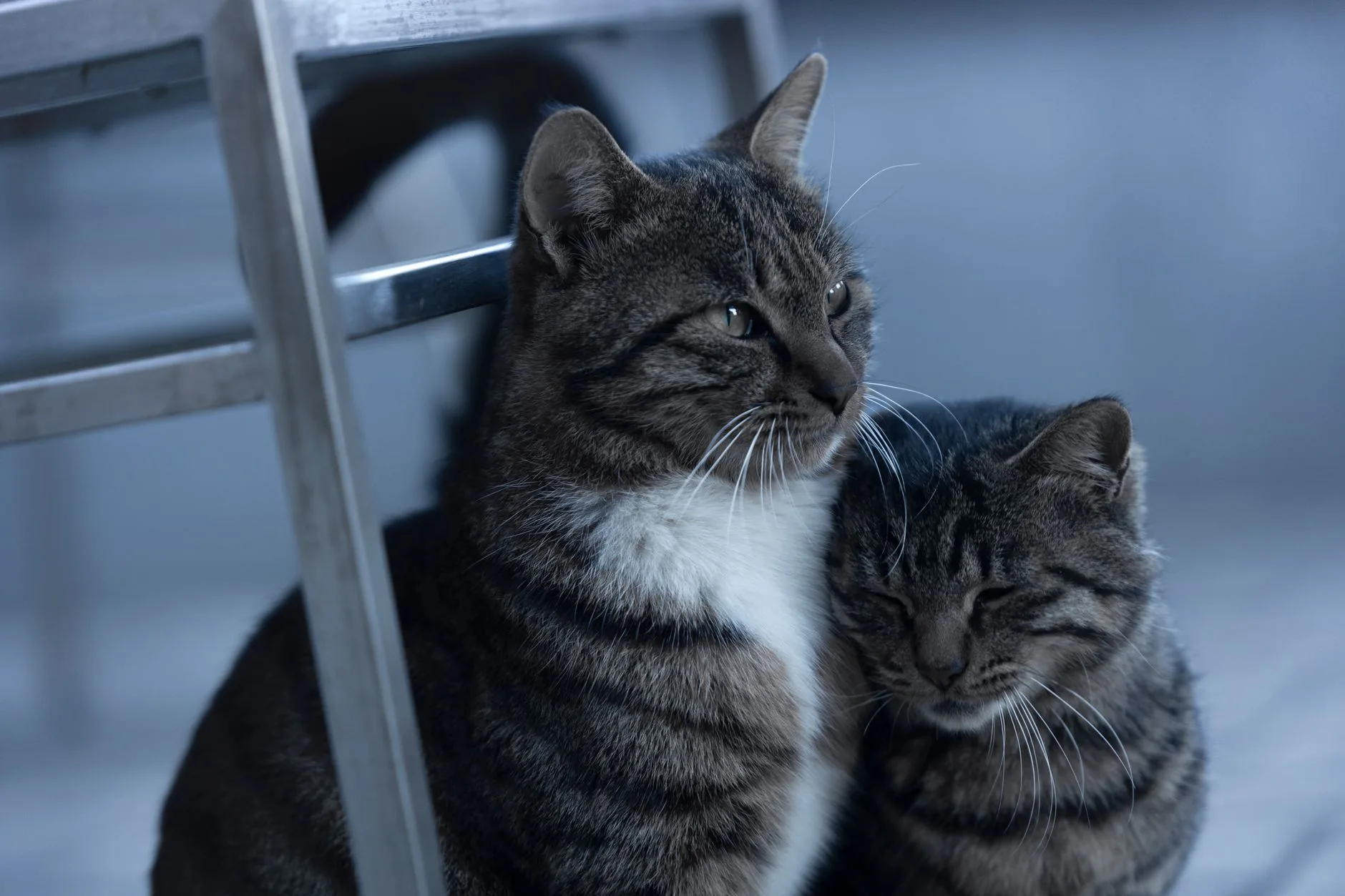
When one cat in a home dies, the change is often felt in small, quiet ways before it is spoken aloud. A bowl sits untouched. A favorite sleeping place stays empty. The surviving cat pauses in a doorway, looking toward a room that no longer holds the familiar rhythm of another body breathing there.
For many pet owners, this leads to a tender and difficult question: can cats grieve the loss of another cat? The answer is often yes, though cat mourning behavior can look different from what people expect. Cats may not grieve in the same outward way humans do, but they can absolutely respond to absence, altered routines, and the loss of a companion they knew well.
That response can be subtle. It can also be surprisingly deep. A cat who once shared warmth, scent, play, and territory with another cat may show signs of confusion, searching, or withdrawal after that companion is gone. These changes are part of how cats grieving cats can appear in everyday life, and they deserve to be noticed with patience rather than rushed or dismissed.
Many owners find Grief After Losing a Cat and How to Begin Healing helpful for navigating feelings and practical next steps. Some also look for a meaningful remembrance, such as the ideas in Best Cat Memorial Gifts.
Can Cats Grieve the Loss of Another Cat?
Cats form bonds in ways that are easy to underestimate. Some cats tolerate one another. Others are closely attached, grooming each other, sleeping side by side, or moving through the house as a pair. When one cat dies, the surviving cat often experiences a real disruption in its world.
So, yes, cats can grieve the loss of another cat. Their grief may show up as changes in behavior, appetite, sleep, or vocalization. Some cats seem restless. Some become quieter. Some search the house. Some appear to wait at doors, windows, or familiar resting places.
What makes cat mourning behavior so difficult to interpret is that cats rarely perform grief in a dramatic, obvious way. Their distress may be expressed through tiny shifts, like lingering near a blanket that still holds the other cat’s scent or hesitating before entering a room they once shared.
These changes do not always mean a cat is grieving in a human sense, but they often reflect a meaningful reaction to loss. For many households, that reaction can feel like a silent echo of the bond that existed before.
How Cats Notice Loss
Cats are deeply attuned to scent, routine, and space. They do not need a human explanation to sense that something important has changed. If a companion cat is suddenly gone, the surviving cat may notice the absence through smell, silence, altered schedules, and the emotional atmosphere of the home.
Some cats seem to understand death in a practical, sensory way. They realize the other cat is no longer in the place where they expected to find them. They notice the missing movement, the missing warmth, the missing cues that once shaped each day.
This is one reason cats grieving cats can appear to behave in ways that seem searching or unsettled. The world has changed, and cats tend to register that change closely, even if they cannot name it.
The role of scent
Scent carries a great deal of meaning for cats. A cat may continue to visit a bed, blanket, or favorite hiding spot because the scent there still feels familiar. After a companion dies, those smells can become a bridge to memory, which may be comforting or confusing depending on the cat’s temperament.
Some owners notice that a surviving cat spends more time near the deceased cat’s belongings. Others see the opposite, with the cat avoiding shared items as if the missing companion’s absence has made them difficult to bear.
The role of routine
Cats rely on patterns. They know when another cat usually appears for breakfast, when a shared nap tends to happen, and which door leads to the room where both once rested together. When those patterns break, cat mourning behavior often shows up as waiting, wandering, or a general sense of uncertainty.
A cat does not need to “understand” death to grieve the disruption that follows it. Sometimes the loss is felt first as a broken routine, and only later as something more emotionally layered.
Common Signs of Cat Mourning Behavior
No two cats react in the same way. Some seem outwardly calm. Others change noticeably within hours. Still others shift slowly over days or weeks, making the grief harder to spot at first.
Here are some behaviors that may appear after a cat loses a companion:
- Searching the home, especially shared sleeping or feeding areas
- Calling out more often or using a different vocal tone
- Eating less or showing a reduced interest in treats
- Sleeping more, or sleeping in unusual places
- Staying closer to people than usual
- Becoming withdrawn or less playful
- Grooming more, or grooming less than before
- Appearing restless, pacing, or seeming unsettled
- Changing litter box habits
- Waiting by doors, windows, or the last place the other cat was seen
These signs do not always mean mourning alone. A cat may also be reacting to stress, illness, or changes in the home after a loss. Still, when several of these behaviors appear together, it can be a quiet clue that the surviving cat is responding to the absence of the other.
In some homes, cat mourning behavior is brief. In others, it continues for longer than people expect. The shape of grief depends on the bond, the cat’s personality, and the stability of the environment around them.
What Cats Grieving Cats May Look Like Emotionally
It can be tempting to judge a cat’s response through human expectations. We look for tears, visible sadness, or obvious signs of missing someone. Cats rarely offer grief in those forms.
Instead, cats grieving cats may look like a cat who is simply “off.” They may be quieter. They may no longer rush to a food bowl the way they once did. They may pause more often. They may spend time in places that mattered to the lost cat.
Some surviving cats become more affectionate with their human family. Others seem reserved. A cat who normally liked privacy may suddenly follow a person from room to room. Another cat may retreat under furniture for a few days before slowly reemerging.
There is no single correct shape for feline grief. What matters is recognizing that a change in behavior after the death of a companion can be meaningful, even if it is subtle.
Searching and waiting
One of the most moving signs of loss is when a cat appears to search for the missing companion. They may sit in the doorway of a room where the two used to rest together. They may walk from one space to another, as though trying to complete a pattern that no longer fits.
This kind of waiting can be gentle and heartbreaking to witness. It suggests memory, attachment, and expectation. Even if a cat does not understand death in human terms, the absence is still registered.
Quiet withdrawal
Some cats respond to loss by becoming stiller. They may sleep more, move less, or show less interest in play. Owners sometimes mistake this for simple aging or mood, especially if the change is gradual.
In the context of a companion’s death, withdrawal may be part of cat mourning behavior. It can also signal stress or illness, which is one reason close observation matters in the days and weeks after a loss.
Clinginess or increased need for closeness
A surviving cat may seek comfort from humans more than before. They may curl beside a person at night or follow them from room to room. This may reflect a search for stability after the familiar social balance of the home has changed.
For some cats, this closeness is their way of rebalancing after the loss. For others, it is a reminder that they too are trying to make sense of a quieter household.
How Long Does Cat Grief Last?
There is no fixed timeline for grief in cats. Some adjust within a few days. Some seem to need weeks. Some appear changed for longer periods, especially if they had a very close relationship with the cat who died.
What people often call “grief” in cats may include several overlapping experiences. A cat may be responding to absence, stress, altered routine, and the changing emotional tone of the home. These responses do not always unfold neatly.
It can help to think in terms of adjustment rather than deadlines. The surviving cat may slowly return to play, appetite, or normal rest patterns. Or they may find a new pattern that looks different from before but is still healthy and settled.
If a cat refuses food, hides for long periods, stops grooming, or seems physically unwell, veterinary guidance is important. Emotional loss and medical concerns can overlap, and it is best not to assume behavior is grief alone.
What Helps a Surviving Cat After a Companion Dies
There is no perfect script for this moment. A home that has lost one cat often feels delicate, and the surviving cat may need time to adjust to the new shape of daily life.
Gentle consistency tends to help. Familiar mealtimes, familiar sleeping areas, and calm human presence can create a sense of steadiness while the cat adapts. Sudden changes in food, litter, or household rhythm may add another layer of stress.
Some owners find comfort in keeping the deceased cat’s things in place for a little while. Others prefer to gradually rearrange the home. Either choice can be tender, depending on what feels manageable for the household and the surviving cat.
Keep the day predictable
Cats often rest easier when the day has a recognizable pattern. Feeding, play, and quiet time at roughly the same hours can help the surviving cat feel oriented again.
That predictability is not a cure for grief. It is a form of shelter while the cat learns that life has changed but has not fallen apart.
Watch appetite and litter box habits
Changes in eating or elimination can be signs of stress, grief, or illness. A cat who is eating less for more than a day or two should be monitored closely. A veterinary visit may be needed if the change is significant or ongoing.
Grief in cats can affect the body as well as behavior. A careful eye helps distinguish emotional response from a health issue that needs attention.
Offer comfort without forcing contact
Some cats want more affection after a loss. Others prefer space. Let the cat choose. Gentle presence often speaks louder than handling or attempts to “cheer them up.”
Soft conversation, a warm blanket, or sitting nearby can be enough. For a cat in mourning, the quiet company of a trusted person may carry more comfort than anything elaborate.
How People in the Home Grieve Differently
When a cat dies, the emotional aftermath rarely affects everyone in the household in the same way. One person may want to talk about the cat often. Another may need practical tasks to stay grounded. Children may ask direct questions, while another adult may retreat into silence.
The surviving cat also becomes part of this shared adjustment. Sometimes people overlook the cat’s grief because they are absorbed in their own. Other times, the cat’s behavior becomes a mirror that reminds the family that this loss reaches into the whole home.
That shared change can be hard to name. The house may feel quieter. Feeding time may feel wrong. A favorite sunlit spot may seem too empty. These small shifts matter, and the surviving cat may respond to them more strongly than people realize.
In families, speaking gently about what is happening can help children understand that the cat’s behavior has changed because a companion is gone. That understanding can be a soft entry point into mourning, memory, and care.
When a Cat Does Not Seem to React
Not every cat shows visible signs of grief. Some continue eating, sleeping, and moving through the day with little obvious change. This does not mean the bond was unimportant or that the cat has ignored the loss.
Some cats are simply private. Their stress may be internal, subtle, or delayed. Others may appear outwardly unaffected while still adjusting in smaller ways that are easy to miss.
There is comfort in avoiding rigid expectations. Cat mourning behavior can be expressive, muted, delayed, or mixed with ordinary routine. Grief rarely arrives in a neat pattern, and cats are no exception.
Is It Helpful to Let a Cat See the Body?
This question comes up often after a cat dies. Some owners feel uncertain about whether the surviving cat should have a chance to see the body. There is no universal answer that fits every household or every cat.
For some cats, a brief, calm introduction to the body may help them register the absence in a direct sensory way. For others, it may be distressing or simply unnecessary. The decision depends on the circumstances, the cat’s temperament, and the way the death occurred.
If this is something a family is considering, a veterinarian can offer grounded guidance. The goal is not to force understanding. It is to support the surviving cat with as little confusion and stress as possible.
Memory, Attachment, and the Bond That Remains
One of the more tender truths about cats grieving cats is that the bond does not disappear simply because one cat is gone. The surviving cat may continue to return to places where the other cat used to sleep, or react to old routines long after the household has changed.
For people, this can feel like a living reminder of the relationship that existed. A worn cushion, a sunlight patch on the floor, a scratch on the doorway, these small things can hold a great deal. They speak to shared days that mattered.
Many families choose to honor that bond in simple ways. Some keep a photo nearby. Some save a collar, tag, or paw print. Some light a candle on quiet evenings. Others keep a favorite blanket folded where it can still be seen.
Memorial pieces, when chosen with care, can offer a gentle place for remembrance. A framed photo, a small keepsake box, or a special resting spot in the home may feel like a way to acknowledge both loss and enduring love without needing many words.
When to Seek Veterinary Advice
Because grief and illness can look similar, it is wise to keep an eye on the surviving cat’s health after a loss. A veterinary check may be helpful if the cat shows any of the following:
- Refusing food or water
- Persistent hiding
- Vomiting or diarrhea
- Sudden litter box changes
- Marked lethargy
- Weight loss
- Signs of pain or distress
These symptoms do not mean something serious is always wrong, but they do deserve attention. Cats often hide discomfort, and a major change in the home can make that harder to notice.
A calm veterinary visit can help distinguish cat mourning behavior from a medical issue. That distinction matters, especially in the first days after a loss.
What Grief Can Teach Us About Cat Relationships
People sometimes assume cats live entirely separate lives, that they coexist without deep attachment. Yet many homes tell a different story. Two cats may share a quiet, deeply lived-in companionship that is visible only in small gestures. A grooming session. A synchronized nap. A brief head bump before bedtime.
When one cat dies, the surviving cat may reveal how much that bond mattered. Their behavior can seem to say what words cannot. Something is missing. The rhythm has changed. The familiar shape of the home is different now.
That truth can be sad, but it is also moving. It reminds us that affection among animals is often steady, practical, and rooted in daily life. It does not need to be dramatic to be real.
Making Space for the Surviving Cat and the Memory of the One Who Died
Healing after pet loss often happens in layers. The surviving cat may slowly settle into a new routine. The home may become quieter in ways that feel painful at first and familiar later. Memory may soften the sharpness of absence without erasing it.
Some owners find meaning in creating a small remembrance place with a photo, collar, or keepsake. Others prefer a simple ritual, like speaking the cat’s name at feeding time or sitting in the old shared spot for a moment of reflection. These gestures do not solve grief. They help shape it into something that can be carried.
If the surviving cat enjoys a certain blanket, toy, or bed, keeping those comforts available can offer a sense of continuity. Familiar objects often hold more emotional weight for cats than people expect.
In quiet ways, remembrance can become part of daily life. The lost cat remains present in memory, while the surviving cat continues forward with their own changing needs. Both truths can exist together.
A Gentle Closing Thought
So, can cats grieve the loss of another cat? They often can. Their grief may be quiet, practical, or easy to miss, but it can be real all the same. A cat who searches, waits, withdraws, or clings a little closer after a companion dies may be responding to more than routine change. They may be carrying the absence of a bond that mattered.
For the people who loved both cats, this can add another layer of tenderness to an already delicate time. The surviving cat becomes a living reminder of what was shared, while the home slowly learns how to hold both presence and absence together.
There is no rush to make that adjustment feel complete. Some love lingers in habits, in familiar corners, and in the quiet attention a cat gives to a space where another once rested. That kind of remembrance asks for patience. It also asks for care. And often, it is in those small, steady acts of care that honoring the love that never leaves begins to feel possible.