
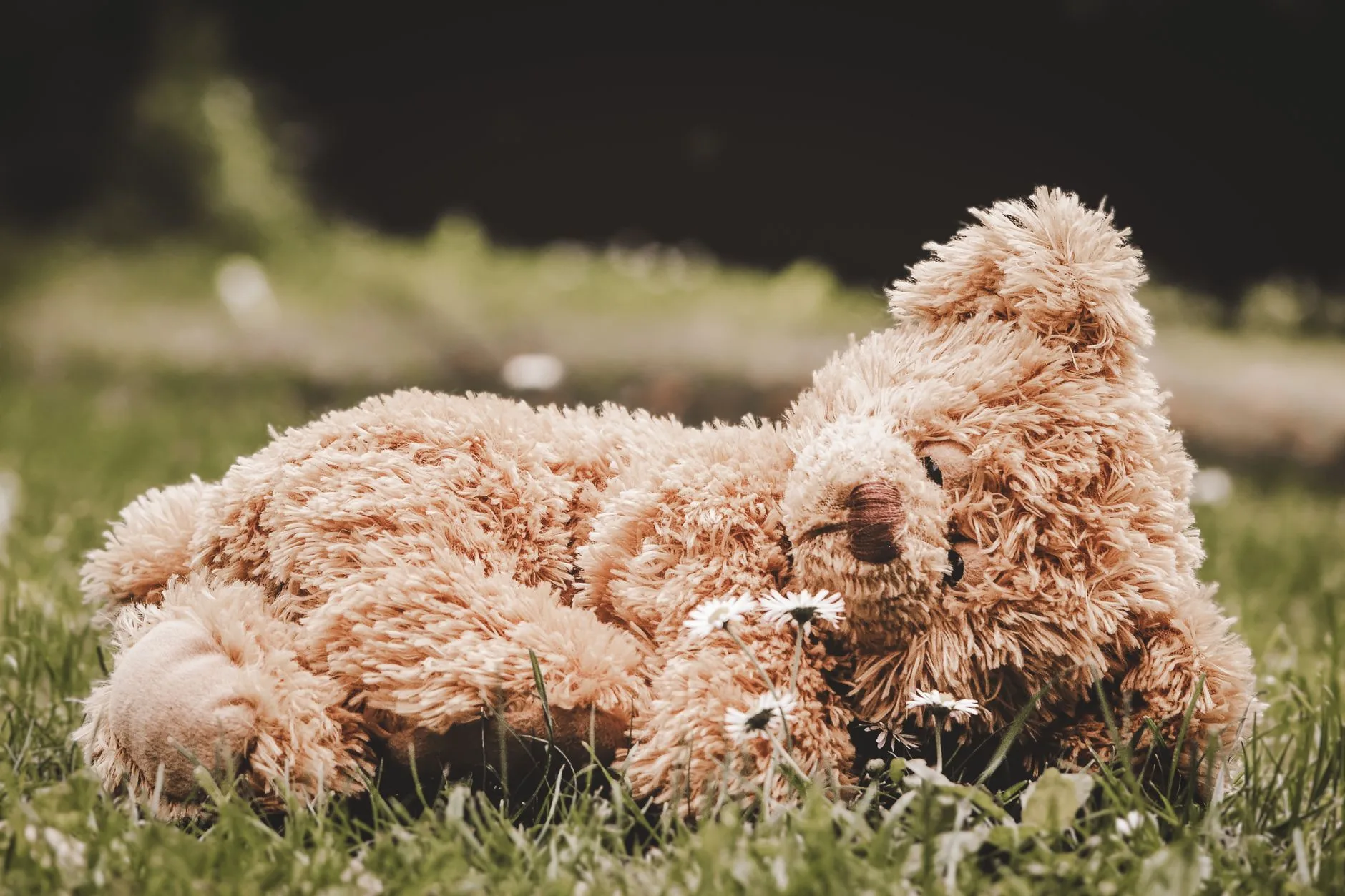
The loss of a childhood pet can carry a kind of weight that surprises people years later. A pet from childhood often lives in memory beside birthday candles, school mornings, family dinners, and the quiet routines that shaped growing up. When that animal dies, it can feel as if a chapter of life has closed in a far deeper way than many people expect.
For some, the grief arrives immediately. For others, it surfaces slowly, perhaps after moving away from home, after becoming a parent, or after seeing an old photograph tucked into a drawer. The bond can feel tender and old at the same time, held together by memory, habit, and the emotional attachment to pets that often begins before children have words for what love and loss mean.
For families seeking support, Why Losing a Pet Hurts So Much Emotionally explores the emotional weight of loss. For a personal remembrance, see Best Personalized Pet Memorial Gifts.
Childhood pet grief can be especially overwhelming because it is rarely only about the pet. It can also be about the child you were, the home you grew up in, and the version of life that existed before time started asking more of you. Losing a childhood pet often touches many layers of memory at once, which is part of why the experience can feel so large and so difficult to name.
Why losing a childhood pet can feel different
Pets who belong to childhood often become woven into the background of growing up. They may have been present during awkward years, family changes, first disappointments, and the ordinary comfort of being known by another living creature who asked for nothing more than care and attention.
That kind of companionship can leave a lasting mark. The emotional attachment to pets formed in childhood is often simple on the surface, yet deeply meaningful underneath. A dog who waited by the door, a cat who slept at the foot of the bed, a rabbit who accepted gentle hands, or a bird whose sounds filled a quiet house can become a memory anchor for an entire period of life.
When that pet dies, the grief can feel larger than the loss itself. It may carry a sense of ending, of innocence slipping away, or of being suddenly confronted with how much time has passed. This is one reason childhood pet grief often feels so overwhelming. The loss reaches beyond the present moment and touches older emotional ground.
For many people, the pet was also linked to a parent, sibling, or grandparent. The pet may have belonged to the family in a shared way, which means the grief can become layered with the grief of others. Sometimes this creates comfort. Sometimes it creates confusion. Everyone may be mourning the same animal, yet each person is grieving a different part of the story.
The memories that return first
After losing a childhood pet, memory often behaves in surprising ways. People do not always remember the final days first. Instead, they may remember the pet’s sound on the floor, the feel of fur against a sleeve, the way the animal smelled after coming in from outside, or the old bowl in the kitchen that somehow always seemed to mean mealtime was near.
These details can feel vivid because childhood memories are often sensory. They are tied to places, sounds, and small repeated moments. A pet can become part of the texture of home, which is why grief sometimes arrives through the senses as much as through thought.
Someone might hear a collar jingle in another room and feel a sudden ache. Another person may see a similar breed on a walk and find themselves unexpectedly emotional. A specific song, a worn blanket, or a family photo can bring the pet back with startling clarity. This is a common part of childhood pet grief. Memory and loss do not stay neatly separated.
Sometimes the pet’s death also brings back memories of being a child. That younger version of yourself may appear in your mind very clearly, standing near the pet’s bed or lying on the floor beside them. In this way, losing a childhood pet can feel like losing access to a softer version of your own life.
Why the grief can surface at unexpected ages
Many people assume that grief should happen close to the time of loss. In reality, the emotional attachment to pets can deepen over time, and so can the grief. A childhood pet who died years ago may become more emotionally present later in adulthood than they were in the moment of loss.
This often happens during transitions. A person may move out for the first time, return to an old family home, sort through childhood belongings, or become responsible for a pet of their own. Each of these moments can open the memory of the earlier bond in a new way.
There is also something about adulthood that changes how a person understands care. As children, many people experience pets through the gentle structure created by adults. Later, after becoming more aware of illness, aging, or the responsibilities of keeping an animal comfortable, the mind may revisit a childhood pet’s death with a different kind of tenderness. What once felt distant can suddenly feel more real.
For some, the full impact does not arrive until they are old enough to see their pet as a living being with a finite life, rather than simply as part of the house. That shift can be emotional. It can also bring regret, especially if the pet’s final months are remembered only vaguely or through a child’s limited understanding at the time.
Common feelings that can come with childhood pet grief
Grief after losing a childhood pet is rarely one feeling. It often moves through several emotions at once, some expected and some more difficult to explain.
Sadness that feels older than the moment
There is the sadness of the loss itself, but there may also be sorrow for the time that has gone by. A pet’s death can stir grief for childhood, for family life, or for the feeling of safety that belonged to a different stage of living.
Guilt or self-questioning
Some people wonder if they should have remembered more, visited more, or stayed more connected to the family pet after moving away. Others feel guilty because they were young when the pet died and did not understand the loss fully at the time. These thoughts are common, especially when the emotional attachment to pets feels stronger in retrospect than it did in the moment.
Numbness
Grief can also show up as distance. The mind sometimes creates space when feelings are too large to hold all at once. A person may know the pet has died, yet feel strangely detached. This does not mean the bond was small. It often means the loss is reaching deeper than the nervous system can comfortably process right away.
Surprise
Many people are surprised by how intensely they react. They may have expected a few tears and instead find themselves shaken by memories, old photographs, or a wave of longing that appears out of nowhere. Losing a childhood pet can be especially powerful because the grief is attached to so much more than the animal alone.
Quiet regret
There may be regret over the final goodbye, over missed opportunities to say more, or over not realizing as a child how important the pet would remain across the years. This regret can be tender rather than dramatic. It often carries a wish to go back and spend one more ordinary afternoon together.
How children and adults grieve differently
When a pet dies during childhood, the grief in the household may unfold unevenly. A child and an adult can mourn the same animal in very different ways.
Children often grieve in pieces. They may cry, then go play. They may ask the same question repeatedly. They may seem fine one moment and deeply upset the next. Their understanding of death depends on age, temperament, and the language they have been given. A child may remember the pet through the emotional atmosphere around them more than through a full concept of finality.
Adults tend to carry more of the practical burden. They may be the ones making decisions, arranging care, or trying to explain death in a gentle, age-appropriate way. Their grief is often mixed with responsibility, which can make it quieter on the surface and heavier underneath.
Years later, the child who has grown into an adult may return to the memory with a very different awareness. They may begin to see how much love was present in the home, how hard it was for the adults, or how deeply the family pet contributed to the feeling of childhood stability. This fuller understanding can intensify the grief, but it can also bring compassion to the old memory.
Why the bond can last so long
The reason a childhood pet remains so present is simple and profound. Pets often love without complexity. They do not ask children to be more grown up than they are. They allow for silliness, tears, loneliness, and repetition. For a child, that kind of companionship can feel grounding in a way that is hard to describe later.
The emotional attachment to pets is built through routine. Feeding, walking, brushing, sharing a couch, or reading near an animal creates a steady rhythm. Children experience this rhythm as part of normal life, and normal life becomes memory. That is why the grief can continue to echo long after the pet is gone.
There is also the matter of identity. A childhood pet may be one of the earliest beings who made a child feel seen or needed. The pet may have welcomed them after school, listened through tears, or simply stayed close. That experience can shape a person’s sense of tenderness and care well into adulthood.
When the pet dies, the mind may grieve the relationship itself, but it may also grieve the emotional education that came with it. The child learned something lasting through that bond. Losing a childhood pet can feel like losing the first place where love seemed uncomplicated.
Family stories and shared memory
One gentle part of childhood pet grief is the way it returns people to family stories. A pet can become a thread that ties siblings, parents, and grandparents together. Someone may remember the dog escaping into the yard, the cat hiding in the holiday wrapping paper, or the hamster who made the whole house pause in delight.
These stories matter. They keep the pet alive inside the family’s language. They also help make room for the fact that grief is shared, but never identical. One family member may remember the pet as a childhood playmate, while another remembers vet visits, feeding schedules, or the sadness of making final decisions.
If the family does not speak openly about the pet, one person may carry the grief alone for years. This is common. In some homes, loss was handled quietly, or there simply was not enough time to fully mourn. Later, adulthood can open space for the conversation that was missing then.
Revisiting those stories can be comforting. It can also be emotional in a way that feels unexpected. The pet becomes a witness to family life, and talking about them can bring back the atmosphere of the home as it was.
What people often do with old grief
Some forms of grief remain quiet until something gives them shape. Childhood pet grief may linger unspoken for a long time, then appear through action, memory, or ritual.
A person might begin looking through old photos. They might ask a parent for the pet’s name, breed, or favorite toy, hoping to fill in gaps in memory. They might write down what they remember before it fades further. Some people feel drawn to make a small memorial at home, perhaps with a framed picture, a collar, a clay paw print, or a simple candle in a quiet corner.
Others find that they want to tell the story aloud. Speaking the pet’s name can feel like giving shape to a bond that has been present all along. For a grieving adult, this may be the first time the loss is met as a meaningful event rather than a childhood memory tucked away.
There is no single correct pace for this kind of remembering. Some people want to talk soon. Others need time. Both responses are natural.
Gentle ways to respond to childhood pet grief
There is no neat formula for grief, but there are ways to meet it with care. When losing a childhood pet brings up more feeling than expected, small acts of attention can help make room for the memory.
Let the memory take its time
Some losses are understood in stages. You may feel one part of the grief now and another later. That does not mean anything has gone wrong. Childhood pet grief often unfolds slowly because it is attached to many years of meaning.
Write down what you remember
Memory can be fleeting. A few notes about the pet’s habits, the way they sounded, or a favorite moment can preserve details that might otherwise blur over time. This can be especially meaningful if the pet was part of early childhood and your memory feels fragmented.
Speak with family members
If the pet belonged to the family, other people may carry pieces of the story you do not. Shared remembrance can soften the feeling of holding the loss alone. It may also reveal details that help reconnect you to the pet in a fuller way.
Create a quiet ritual
A small ritual can be grounding. Lighting a candle, placing a photograph somewhere special, planting flowers, or keeping a collar in a memory box can offer a place for the grief to rest. For some people, a framed portrait, a custom keepsake, or a folded blanket with the pet’s scent still lingering becomes a cherished memorial object.
Allow mixed feelings
People often want grief to look tidy. Childhood pet grief rarely does. You may feel sad, grateful, nostalgic, and unsettled all in one day. That mix is part of what makes the loss so human.
When the grief touches other losses
Sometimes losing a childhood pet opens the door to other sorrow that has been waiting in the background. The pet may have been linked to a parent who has since died, a home that no longer exists, or a childhood that now feels out of reach.
In those moments, the pet becomes more than a memory. They become a bridge to earlier life. Grief can widen from there, touching family changes, moves, separations, and the passing of time itself.
This layering is one reason the loss can feel overwhelming. A person may think they are grieving a cat, dog, rabbit, or bird from years ago, and then realize they are also grieving the younger self who loved them. That kind of grief deserves patience. It is not excessive. It is simply deep.
Some people experience this while caring for pets of their own. Their child’s bond with a current pet can stir memories of the pet they lost long ago. The tenderness can be strong, and sometimes surprising. It may bring comfort to know that love is continuing, even as it takes a new shape.
Helping children with present-day pet loss through old memory
Adults who carry the memory of losing a childhood pet often become more sensitive when helping children face a pet death of their own. The old grief can make them more careful, more reflective, and more aware of how a child experiences loss.
Children may need simple language, repeated explanations, and room for questions that seem to circle the same place. They may also need honest acknowledgment that the pet mattered and that saying goodbye is hard. A gentle truth told plainly can be steadier than overly polished reassurance.
If a parent or caregiver is quietly revisiting their own childhood pet grief at the same time, that can add emotional strain. It may help to remember that children often notice tone more than perfect wording. A calm voice and a loving presence can matter more than having the right sentence.
Old loss can make present loss feel fuller. In some families, this creates an unexpected tenderness across generations. A child’s grief may awaken the memory of a beloved pet from decades earlier, and that shared sorrow can become part of how the family remembers love itself.
How remembrance can bring comfort without asking grief to disappear
Remembrance is often gentler than closure. It does not require a person to move on from childhood pet grief. It simply gives the bond a place to live.
Some people find comfort in choosing one meaningful object. A collar displayed in a keepsake box, a framed photo on a bookshelf, or a small memorial stone in a garden can help the pet remain present in a way that feels calm and respectful. Others prefer writing a note or keeping a journal entry on the date of the pet’s passing.
For those who have access to old photographs, creating a small album can be deeply moving. Seeing the pet in the context of family life, toys, carpets, backyards, and holiday gatherings can restore a sense of continuity. The pet’s life was real. It mattered. The memory deserves a home.
Memorial rituals do not need to be elaborate. Often the simplest gestures feel most sincere. A person may speak the pet’s name quietly, pause for a moment of gratitude, or keep a small item where it can be seen from time to time. These acts help hold the emotional attachment to pets in a respectful way.
What healing can look like
Healing after losing a childhood pet rarely means forgetting. More often, it means finding a calmer place for the memory to live. The grief may still appear, but it may feel less sharp or less confusing over time.
For some, healing comes with understanding. As adulthood deepens, they begin to see the pet’s role more clearly. They recognize the comfort the animal gave, the love surrounding them, and the way the pet helped shape early life. That recognition can soften the edge of the loss.
For others, healing arrives through acceptance that the grief will always carry some tenderness. A childhood pet can remain emotionally alive in memory for many years. That does not mean the loss is unresolved. It may simply mean the bond was genuine and lasting.
There is also healing in allowing the pet to remain part of the story. Mentioning them during family conversations, keeping a photo nearby, or recalling a favorite habit helps affirm that their life still belongs in the family’s history.
When the grief feels heavier than expected
Sometimes childhood pet grief becomes difficult to carry alone. If the loss stirs deep sadness for a long time, affects sleep or daily functioning, or brings up memories that feel overwhelming, speaking with a trusted professional or grief counselor may offer useful support. That kind of help can be especially meaningful when the loss is tied to other pain from childhood or family life.
There is no need to measure grief against a standard. A pet may have seemed small to others, but the place they held in your life can be enormous. The emotional attachment to pets is real, and the memory of that bond can remain powerful across decades.
Some people are also helped by quiet, low-pressure support, like reading about pet remembrance, keeping a journal, or talking to someone who understands how deeply an animal can become part of home. These steps do not erase the sorrow. They simply make it easier to carry.
Holding the memory with care
Losing a childhood pet can feel overwhelming because it reaches into more than one time of life. It touches the child you were, the family you knew, and the quiet companionship that helped shape early memories. That kind of loss can stay with a person in a way that is subtle, enduring, and deeply human.
Childhood pet grief often returns in layers. It may surface in adulthood, during change, or in the small pauses between ordinary days. When it comes, it deserves gentleness. The bond was real. The care was real. The memory is worth holding with respect.
And sometimes, that is what remembrance does best. It does not try to hurry grief along. It simply gives love a place to remain, steady and familiar, beside the life that continues.