
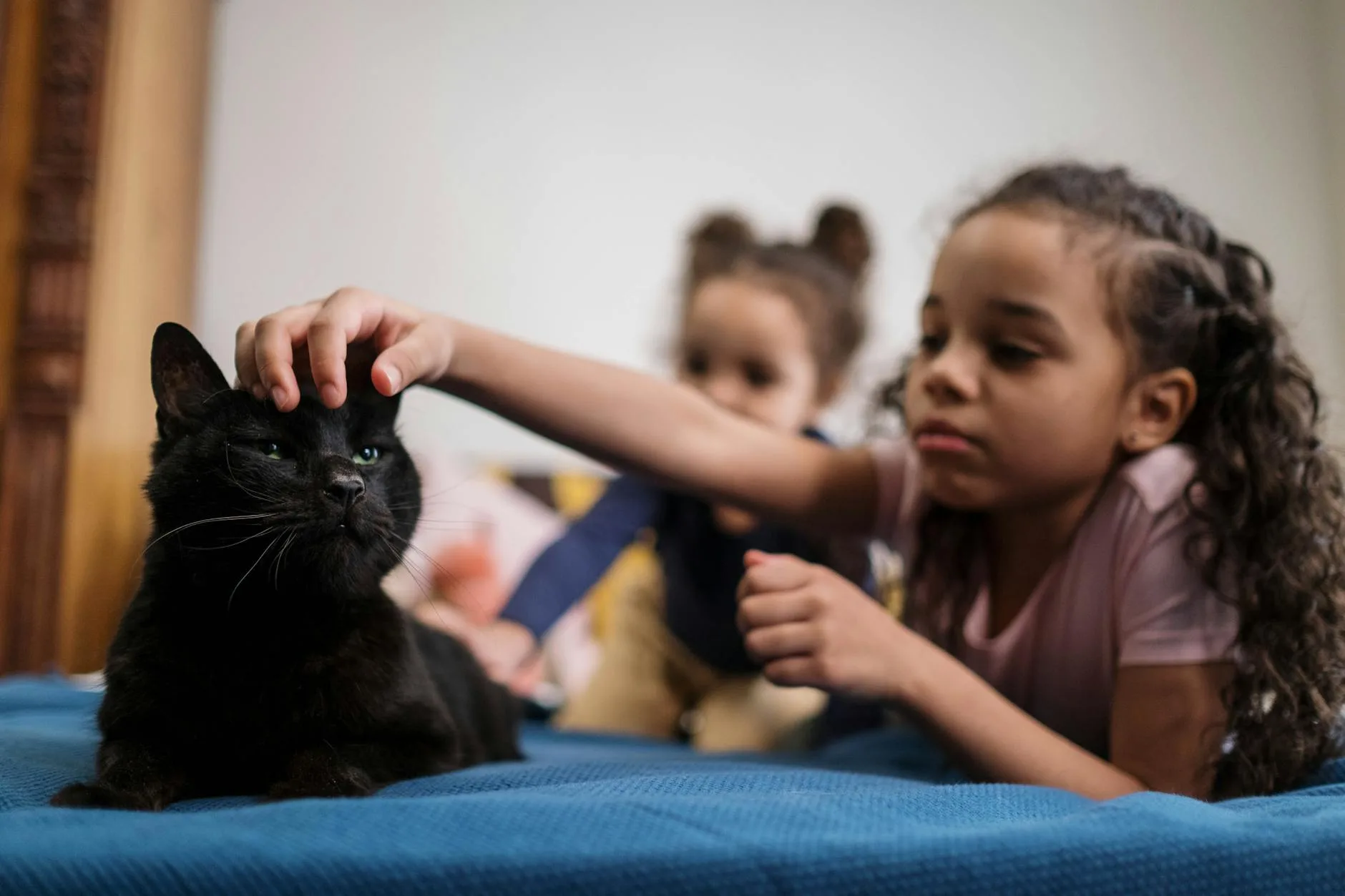
Losing a pet is a quietly seismic experience for a family. Children feel the same raw emotions adults do, yet they often show grief in ways that can be surprising. This article is about helping children cope with pet loss, with gentle explanations, practical examples, and ideas for remembering a beloved companion. The intention is to offer compassionate guidance for parents and caregivers who want to hold space for their children while honoring the life that mattered so much.
How children experience loss
Children process grief through the lens of their age, imagination, and what their caregivers model. Their understanding of death changes over time. Grief may arrive as questions, changes in behavior, or a small, quiet sadness that resurfaces weeks or months later. Observing how a child reacts, without rushing to fix those feelings, is one of the kindest things an adult can offer.
Many parents find practical suggestions in Pet Loss & Grief when supporting children’s complex emotions.
Toddlers and preschoolers
Young children sense that something is wrong long before they can name it. Their first responses may be confusion, clinginess, or brief periods of sadness that seem to pass quickly. Concrete language helps most. Saying that a pet has died and will not return, using simple words like dead or died, reduces the chance that a child will wait by the door for the pet to come back.
Elementary school children
School-age children often feel a mixture of sorrow, guilt, and curiosity. They may ask how and why. They might also develop questions shaped by literal thinking, and they can worry that their own actions caused the loss. These years are a time when clear explanations, reassurance, and opportunities to talk about memories are especially helpful.
Adolescents
Teenagers can have deeply felt grief. Their responses may look like withdrawal, anger, or an increase in curiosity about the meaning of loss. Some teens express grief through creative work, while others may seem stoic. Offering space, listening without judgment, and respecting privacy while staying present are the most supportive responses.
Common emotional and behavioral reactions
Grief rarely follows a straight path. It can show up as somatic complaints like stomachaches, altered sleep, changes in appetite, regression to earlier behaviors, trouble concentrating, or renewed clinginess. Play may shift in tone, with children reenacting separation or care through imaginative games. Recognizing these patterns helps caregivers provide steady reassurance while addressing practical needs.
Some typical reactions include:
- Curiosity and questions, which may return over time as a child processes the loss.
- Guilt or responsibility, especially when a child remembers scolding the pet or leaving a door open.
- Anger, which can be directed at family members, a veterinarian, or the situation.
- Regression, such as bedwetting or thumb-sucking, which is a normal stress response.
- Quiet withdrawal, where a child seems to lose interest in usual activities.
How to talk about the loss
Language matters. Children need honest, age-appropriate answers they can digest and return to later. Avoid euphemisms that can create confusion, such as saying the pet “went to sleep” for very young children. Use clear words, be calm, and invite questions. Give children permission to feel however they feel without rushing them toward a performance of bravery.
Simple phrases that can help
- For toddlers: “Fluffy was very sick. Her body stopped working and she died. We will miss her.”
- For school-age children: “The veterinarian did everything she could, but Max’s body could not get better. He died, and we are sad. Do you want to tell me your favorite memory of him?”
- For teens: “This is a real loss. If you want to talk about it now or later, I am here. You can tell me how you want to remember him.”
Follow these simple ground rules when answering questions:
- Be honest and use direct words.
- Listen more than talk, especially for older children and teens.
- Acknowledge confusion and say you do not have all the answers.
- Offer reassurance about daily needs, such as who will take care of other pets or household responsibilities.
Validating feelings without using clichés
Affirmation matters, but certain phrases can sound hollow to a grieving child. Rather than default statements, try reflecting what you hear. For example, if a child says, “I miss Buddy,” reply, “You miss Buddy. I miss him too.” If they express anger, say, “It makes sense you are angry. This is unfair.” These simple mirrors honor feelings without minimizing them.
Practical ways to support children after a pet dies
Grief needs both emotional space and concrete rituals. Combining steady caregiving with thoughtful activities helps children process their sorrow and hold onto the relationship they loved.
Include children in decisions
Where appropriate, let children participate in decisions about farewell rituals, burial, or a memorial. Choosing a favorite toy to place with the pet, drawing a goodbye picture, or helping pick a spot in a garden for a planted bulb can be deeply meaningful. Participation gives children a sense of agency when much feels out of their control.
Hold a small ritual
A short, simple ritual can anchor memory and provide closure. A family gathering to say a few words, a time to light a candle together, a walk in the place the pet loved, or a moment to read aloud a favorite story can be comforting. Rituals can be solemn or gentle, funny or quiet, according to the family’s style.
Create a memory project
Projects offer tangible ways to remember. Ideas include:
- A memory box with photos, collars, and drawings.
- A scrapbook of prints, notes, and small mementos.
- A painted rock with the pet’s name placed in the garden.
- A short video of favorite moments, compiled by family members.
- A planted tree or flowering bulb in the pet’s honor.
These activities encourage storytelling and provide material reminders that children can return to on difficult days.
Helping children through special questions about death
Conversations about what happens after death can feel particularly delicate. Children may ask where the pet went, whether it hurts, or if they will see the pet again. Honest answers tailored to family beliefs work best. If your household holds religious or spiritual views, share them in clear, simple language. If you prefer a secular response, you might say that the pet’s body stopped working and the love stays with us in memories.
For a child terrified of pain, reassure them with facts without minimizing. For example: “The vet helped so Max did not suffer. His body stopped working and he does not feel pain now.”
Answering repeated questions
Children often repeat the same questions as they process the news. Offer consistent answers with patience. Repetition is part of learning and accepting. Gentle consistency builds trust and helps the child gradually find peace.
Managing family dynamics and adult grief
Children watch adults for cues about how to feel and cope. If caregivers are open about their own sorrow in a measured way, children learn that grief is part of love. That said, adults should avoid overwhelming children with intense emotional displays that the child cannot hold. When an adult needs to cry, it is healthy to do so, then explain to the child why: “I am crying because I miss Bella. It helps me to cry, and I will be okay.”
When more than one child is grieving, responses can vary widely. One child may want to talk while another withdraws. Honor those differences. Offer separate moments with each child if possible, where they can speak freely without comparison. If you and a partner grieve differently, discuss how to present a united, calm presence for the children.
Help with guilt and responsibility
Children often feel responsible when a pet dies. They may replay actions and imagine they caused the outcome. Validate those feelings and provide clear facts to release unnecessary blame. If a child fed the pet the wrong treat, explain what really happened, reassure them that accidents happen, and emphasize love and care rather than fault. If a more serious responsibility issue exists, focus on repair, learning, and moving forward.
When and how to talk about getting another pet
The question of whether to bring another animal into the home is complex. Children may hope for a quick replacement, and adults may feel pressured to fix the child’s sadness. A new pet can be a joyful part of the future, but it should not be presented as a cure for grief. Give the family time to mourn. When considering a new companion, involve children in the discussion, set realistic expectations, and acknowledge that a new pet will not replace the one who died. It will create fresh experiences and memories over time.
School, friends, and remembering publicly
Children often share news about a pet at school. Talk with teachers if a child seems deeply affected, so staff can provide support during the school day. Some children may welcome an opportunity to share memories with classmates, while others prefer privacy. Encourage a balanced approach that prioritizes the child’s comfort.
Friend groups can be a resource. Play dates, a visit with friends who have experienced similar loss, or a small remembrance gathering among peers can normalize grief for a child and provide gentle companionship.
Remembrance ideas that invite reflection
Meaningful remembrance leans toward quiet rituals and creative expression. Below are suggestions offered gently, so families can choose what resonates.
- Memory stones: Paint stones with the pet’s name and place them along a garden path.
- Letters to the pet: Children write a short note or draw a picture and place it in a memory box or plant it under a tree.
- Annual remembrance day: Mark a date with a family walk, a special meal that the pet would have liked, or lighting a candle in quiet reflection.
- Story time: Compile favorite anecdotes into a simple booklet that kids can read to remember funny and tender moments.
- Creative keepsakes: Press fur into a small locket, make an impression of a paw in clay, or frame a pawprint photograph.
Keep the focus on connection, not perfection. The act of remembering is an ongoing conversation, not a single event.
Creative activities to help children express grief
Art, play, and movement give children a language beyond words. These activities can be shaped to a child’s age and temperament.
- Drawing and collage: Use crayons, marker, or magazine cutouts to make a memory collage.
- Puppet play: Small toys or puppets can help younger children act out their feelings safely.
- Storytelling: Invite children to tell the story of their pet from beginning to end, focusing on favorite moments.
- Music and rhythm: Make a playlist of songs that remind the family of the pet, for quiet listening.
- Movement: A gentle walk in a favorite place, or a family game that recalls the pet’s play style, can be comforting.
Technology and grief
Photos, videos, and digital memory spaces can be consoling. Creating a shared photo album for family members gives children a safe place to look back. Encourage children to help choose pictures and captions. Avoid overwhelming a child with too many images at once. Let them guide how often they want to revisit digital memories.
When grief seems prolonged or complicated
Grief has no fixed schedule. Still, there are signs that extra support may help. Consider seeking a child-focused counselor or pediatrician consultation if a child shows persistent difficulties, such as:
- Marked withdrawal from activities they once enjoyed for many months.
- Severe or worsening depression, anxiety, or suicidal talk.
- Persistent decline in school performance related to emotional distress.
- Intense nightmares or sleep disturbances that do not improve with comforting routines.
- Ongoing physical complaints that medical providers cannot explain.
Professional help can provide children with tools to process grief in a developmentally sensitive way, and it can give families strategies to maintain daily stability.
Supporting siblings with different needs
In many families, children grieve differently. One sibling may want to talk about the pet every day, while another avoids the subject. Resist comparisons. Offer each child attention tailored to their needs, through one-on-one time or specific activities that fit their way of mourning. When conflicts arise about how to remember the pet, mediate with calm and respect for both viewpoints.
Practical care after the loss
There are practical tasks to manage after a pet dies, such as contacting a veterinarian, arranging burial or cremation if desired, and handling the pet’s belongings. Involving children in small, age-appropriate tasks helps them feel included. For example, a child might help fold a blanket, choose a photo for a frame, or write a goodbye note.
If the family must make decisions about other pets, explain any changes to routines clearly. Children find comfort in predictability. Let them know who will feed, walk, or play with the other animals, and invite them to help where appropriate.
Finding balance between honoring and healing
Grief does not disappear, but it changes shape. Honoring a pet through rituals and memories allows families to carry that love forward. At the same time, gentle re-engagement with normal life is part of healing. Encourage play, school, and social connection, while keeping space for remembrance. Over time, the blend of memory and living will allow a child to integrate the loss into their ongoing life story.
Words and scripts you can use
Below are short, gentle scripts that may help in specific moments.
- Breaking the news: “I have something sad to tell you. Buddy was very sick and he died. We will miss him so much.”
- When a child feels guilty: “I understand you feel that way. That does not mean you caused this. Buddy was sick and no one could have fixed that.”
- Comforting when angry: “Anger is okay. This is unfair and it hurts. We can find ways to remember Buddy when you feel ready.”
- Explaining finality to a young child: “Dead means the body stopped working. He will not eat or play anymore.”
- When a child asks about the pet now: “We have many memories of him. Would you like to tell me one of your favorite moments?”
Anniversaries and difficult days
Birthdays, holidays, and the anniversary of a pet’s death can reopen pain. Plan ahead with quiet rituals that honor the pet while keeping the day manageable. It may help to choose a small family practice, such as lighting a candle, sharing a memory at dinner, or planting flowers. Allow children to decide how they want to mark the day.
Stories from families
Many families find that personal stories provide a guide for how to grieve together. One family gathered in the kitchen the night their dog died, and each child told a funny memory before they went to bed. Another family made a small wooden sign with their cat’s name and placed it by a favorite window. These acts did not erase the sorrow, yet they gave weight to love in a way that children could feel and remember.
How pets shape a child’s emotional life
Pets teach caregiving, boundaries, and companionship. The loss of a pet can therefore feel like the loss of a friend and a teacher. Acknowledge the lessons the pet offered and tell children how those lessons will stay with them. Naming the ways the pet shaped family life helps the child understand that love creates lasting influence.
Helping children through the long tail of grief
Grief can ebb and return at unexpected moments. A child may seem fine for months and then miss the pet acutely when a familiar season arrives. Keep a memory space accessible, such as a box of photos or an online album, and encourage children to revisit memories on their own timetable. Let them know that memories are safe to feel and to share when they want.
Closing reflection
There is no right timetable for sorrow. Helping children cope with pet loss is a patient, compassionate work of presence. Through honest language, simple rituals, and steady emotional availability, families can carry their pets’ memory with tenderness. The love that shaped afternoons of play and quiet comforts remains part of a child’s story, a gentle presence that endures as they grow.