
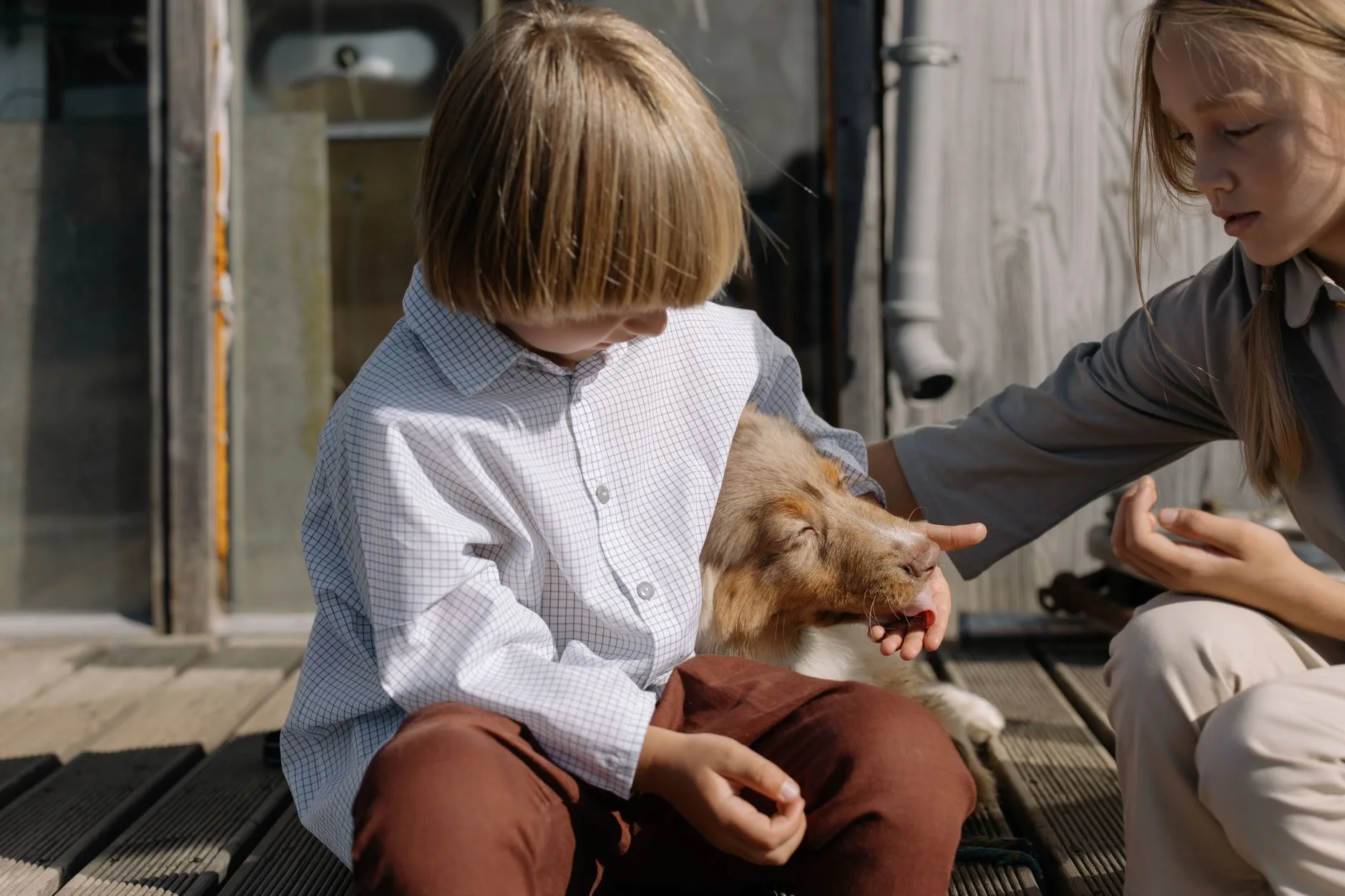
The question of whether children should attend pet euthanasia rarely has a simple answer. For many families, a beloved pet is woven into the shape of childhood itself. A dog may have been there for the first steps across the living room. A cat may have curled beside a child through fevers, school changes, and quiet nights. When the time comes to say goodbye, parents often find themselves carrying two concerns at once: the comfort of their child and the dignity of the pet.
There is no single decision that fits every family. Some children want to be present. Some wish to stay away. Some are curious but unsure, while others understand more than adults expect. The choice often depends on the child’s age, temperament, relationship with the pet, and the way the goodbye will be handled. What matters most is that the decision is made thoughtfully, with honesty and care.
For many families, the heart of the question is simpler than it first appears. Should children attend pet euthanasia? Sometimes, yes. Sometimes, no. The better question is whether their presence would help them understand the loss in a gentle way, or whether the experience would feel too overwhelming for the child and the memory of the pet.
Why this decision feels so heavy
Parents often expect the sadness of losing a pet, but the responsibility of guiding a child through it can feel even more delicate. Adults are trying to protect their child from distress while also being truthful. That can create a quiet tension. A parent may wonder whether keeping a child away feels kinder, or whether excluding them might leave them confused later. There is often concern about whether a child will be frightened by the process, or whether they will regret not being there to say goodbye.
These worries are understandable because pet euthanasia is both an ending and a moment of deep love. It asks families to witness something tender and painful at the same time. Children and pet euthanasia can be a meaningful combination for some families, yet it is never something to rush. The decision deserves time, reflection, and a close look at the child’s emotional readiness.
In some homes, the pet has been the child’s first experience of caregiving and loss. In others, the pet has lived mostly alongside adults, and the child’s bond may be affectionate but less central. The answer often begins there, in the shape of the relationship itself.
What children understand about death
Children do not all understand death in the same way. Their sense of it shifts with age, experience, and the language adults use around them. A young child may understand absence more than permanence. An older child may grasp death intellectually, but still struggle emotionally when it happens in the room.
Very young children often need simplicity. They may not yet be ready for the full reality of euthanasia, even if they love the pet deeply. School-age children often ask direct questions and may want to know what will happen. Teenagers can usually understand the procedure more clearly, though understanding does not remove grief.
What matters is not just age, but emotional readiness. Some children are steady and curious. Others are sensitive to medical settings, tears, or abrupt changes. Some want to help. Some need distance. Parents know many of these patterns already, and those instincts can be useful here.
If a child has already seen illness, declining mobility, or frequent veterinary visits, they may have a sense that the farewell is near. That awareness can make the final moment less shocking. For children who have not, the event may feel sudden and difficult to process.
Signs a child may be ready to attend
There are children for whom attending can be deeply meaningful. They may want to say goodbye, offer a favorite toy, or simply be near their pet one last time. They may ask direct questions and want clear answers. They may seem calm, thoughtful, and able to understand that the pet is suffering and will be released from that suffering.
A child may be ready if they can:
- talk about the pet’s illness or age without becoming completely overwhelmed
- accept simple explanations about what euthanasia means
- understand that the pet will not wake up afterward
- stay relatively calm in a veterinary setting
- express a wish to be present rather than feeling pressured into it
Even then, readiness is not all or nothing. Some children attend part of the goodbye and then leave before the procedure itself. Others stay for the entire visit. A few may want to wait in another room and come in afterward to say goodbye to the body or to the pet’s blanket and collar. Families can shape the experience in a way that feels gentler for everyone involved.
Signs a child may be better off not attending
There are also times when a child’s presence may place more weight on them than they can carry. A child who is prone to panic, becomes highly distressed around medical procedures, or has a hard time with separation may not benefit from being there. Some children have vivid imaginations and may carry the memory of the room, the sounds, or the stillness for a long time. That does not mean they would be harmed by the truth, but it may mean they need a different form of farewell.
Children who have recently experienced another major loss or who are already struggling emotionally may need extra care. The same is true for children who feel responsible for the pet’s condition or who believe, incorrectly, that they could have prevented the death. In those cases, attending may intensify guilt rather than bring comfort.
Some parents worry that keeping a child away means denying them closure. Yet closure does not depend on physical presence alone. A child can say goodbye in a living room, in the car, through a letter, or by spending time with the pet before the appointment. What matters is that the goodbye feels truthful and connected to the child’s capacity to understand it.
How to think about the child’s bond with the pet
The strength of the bond often shapes the right choice. A child who slept beside the dog every night may need a different goodbye from a child who enjoyed the pet in playful bursts after school. A child who was present during long illness may already feel emotionally prepared. A child who has relied on the pet for comfort during hard times may find the loss especially significant.
Parents sometimes ask whether children should attend pet euthanasia so they can witness the last act of care. For some families, that is a loving choice. The child sees that loving a pet also means easing suffering when the time has come. That memory can matter later, especially when they begin to understand responsibility, compassion, and the limits of medicine.
For other children, the bond is best honored through a quieter goodbye. They may remember the pet through shared routines, favorite games, and the sense that the animal lived as a cherished part of the family. That can be enough. A meaningful farewell does not have to happen in the exam room to matter.
How to explain euthanasia to kids with honesty and care
Explaining euthanasia to kids works best when the language is simple, truthful, and calm. Children tend to sense when adults are making the subject sound softer than it really is. Gentle honesty usually serves them better than vague euphemisms.
For example, a parent might say:
“The vet is going to help our pet die peacefully because the body is too tired or too sick to keep going. This means there will be no more pain, and our pet will not wake up afterward.”
That kind of wording may feel hard to say, but children usually benefit from clarity. It avoids confusion about sleep, travel, or disappearance. It also makes room for questions.
Explaining euthanasia to kids can include a few other gentle truths:
- The pet is not being punished.
- The family is making this choice because of love and kindness.
- The pet will not feel fear or pain during the process.
- Adults will stay with the pet and take care of the practical details.
It is also wise to ask what the child thinks euthanasia means before offering more detail. Their own understanding may reveal what kind of explanation they need. Some children ask one short question and are satisfied. Others keep asking, trying to find a stable place for the information to land.
What to avoid saying
Well-meant phrases can sometimes unsettle a child. Saying the pet is “going to sleep” can create fear about bedtime. Saying the pet “went away” may leave a child waiting for a return. Saying the vet will “put the pet down” without explanation can sound harsher than intended.
Children usually do better with direct words such as die, death, and peaceful goodbye, paired with a calm tone. The words may feel difficult for adults, but they help children build an accurate picture of what is happening.
What the day of euthanasia may feel like for a child
If a child attends, the day often feels slow, strange, and emotionally full. There may be quietness in the car, a tightness in the stomach, or a sense that everyone is moving through the day more carefully than usual. Children may become very still. They may ask many questions. They may become playful in bursts, which is also a common way of handling stress.
Some children cry openly. Some seem calm until the last moment. Some cling to a parent. Others try to be brave. There is no correct pattern, and children may shift between emotions quickly. Parents can help by keeping expectations low and offering a steady presence.
If a child is present in the room, they may want to hold the pet, stroke their fur, or speak a few words. Some families light a candle later at home, save a collar, or place the pet’s favorite blanket somewhere meaningful. These small rituals help transform a hard day into a remembered one.
In many families, it helps to prepare for the possibility that the child may want to leave once the pet begins to weaken or once the procedure starts. Planning for that in advance can prevent panic and make the moment less confusing.
Making the choice together as a family
Children and pet euthanasia can become part of a family conversation rather than a decision made quietly around them. Including children, when appropriate, can give them a sense of dignity and help them feel respected. That does not mean the child has equal authority in the decision. Parents still carry the responsibility. But listening matters.
Families may wish to talk together about:
- whether the child wants to attend
- what they understand about the pet’s condition
- what part of the appointment they might want to witness
- who will stay with the child if they choose not to be in the room
- what kind of goodbye the child wants afterward
These conversations can reveal more than a yes or no answer. They often show whether the child is seeking closeness, certainty, or simply a chance to be near their pet one more time.
If there are siblings, their needs may differ. One child may want to attend while another cannot bear the thought. That difference is common and should be handled without comparison. Grief does not arrive in identical shapes.
What if a child changes their mind?
Children often change their minds, sometimes more than once. They may say they want to attend, then become nervous the day before. They may say they do not want to go, then ask to be included once they understand the goodbye is near. This is part of being a child. Feelings can be immediate and fluid.
Parents can leave room for that shift by explaining that the child’s mind can be revisited. If a child changes course, that is not a failure. It is useful information. The decision can be adjusted if time and circumstances allow.
If the appointment is close and the choice needs to be made, it may help to ask a child what feels hardest to them. They may fear seeing the pet in pain. They may worry about crying in front of others. They may simply want to avoid remembering the veterinarian’s office as the place where goodbye happened. Their answer can guide the final decision more than the parent’s anxiety can.
How attendance can shape memory
One reason parents agonize over this question is that the memory may last for years. That is true. Children can remember the atmosphere of the day, the look of the room, the softness of the pet’s fur, and the sound of an adult voice saying goodbye. Sometimes those memories become part of the child’s emotional life in surprisingly tender ways.
For some children, attending creates a lasting sense that they were able to honor the pet. They remember being trusted with something serious. They remember the final act of care. That memory can soften the later edges of grief.
For others, the memory is more complicated. They may recall the quietness, the tears, or the sudden absence afterward. Yet even then, the memory can settle into a truthful place. Death is rarely beautiful, but a loving goodbye can still be meaningful.
Not attending can also shape memory. A child may remember the day their pet left without them, and later may wonder what happened. That uncertainty is sometimes harder than the event itself. In those cases, explaining the process clearly and giving the child another way to say goodbye can help the memory feel complete rather than missing.
Supporting a child after the appointment
What happens after the euthanasia matters almost as much as the decision itself. Children often need help making sense of what they saw or did not see. They may ask the same questions again and again. This repetition is part of processing, not resistance.
Parents can support them by staying steady and answering in plain language. If the child cries, that is all right. If they seem quiet or want to play later in the day, that can also be part of grief. Children often move in and out of feeling.
Helpful follow-up often includes simple acts:
- looking at photos together
- sharing a memory of the pet
- writing a note or drawing a picture
- placing a collar, tag, or paw print in a special place
- visiting a favorite park or spot once the family feels ready
These gestures are not about replacing the pet. They are about giving the love somewhere to land.
Some families create a small remembrance shelf at home. A framed photo, a candle, a clay paw impression, or a piece of memorial jewelry can serve as a quiet place to return to in the weeks after the loss. For a child, having a physical reminder can make the absence easier to understand. The pet is gone, but the place they held in the family is still honored.
When parents feel torn
Many parents carry mixed feelings even after making a decision. A mother may believe her child should attend and still worry about regret. A father may prefer to protect the child from the room and still feel uncertain about what was lost by keeping them away. This ambivalence is natural.
The question of should children attend pet euthanasia often reveals how much love is wrapped into the choice. Parents are trying to do right by the pet and the child at the same time. That burden can be heavy, especially if family members disagree.
If adults in the household hold different views, it can help to return to the child’s needs rather than the adult’s own history or expectations. One parent may remember attending a childhood pet’s euthanasia and finding it meaningful. Another may recall it as frightening. Those memories matter, but they do not decide the present situation on their own.
What is best for this child, with this pet, in this moment? That question is often the clearest one.
How to decide without forcing a choice too soon
There is value in not rushing the decision. If the pet is still alive and there is time, parents can begin with conversation rather than commitment. They can explain the illness, ask what the child knows, and gently see how the child responds. This gives the child space to think without pressure.
It may help to frame the choice as a family discussion rather than a test. The child does not need to prove bravery. They do not need to perform maturity. They only need honest guidance and a safe place to express themselves.
Some families find it useful to make a few practical plans in advance. For instance, if the child starts attending and then feels overwhelmed, there should be a clear way for them to leave with another adult. If the child does not attend, there should be a later opportunity to say goodbye in their own way. Having a plan can soften the uncertainty.
There is more than one kind of goodbye
It can be comforting to remember that a final goodbye is not limited to the euthanasia room. A child may say goodbye on the morning of the appointment, through a drawing tucked into a blanket, or with a whispered message while holding the pet on the couch. The final act is important, but it is only one part of the farewell.
Families often find that the most meaningful goodbye is the one that reflects their relationship with the pet. A child who loves to read aloud might want to read a story. A child who bakes may want to share a small treat the pet enjoyed. A child who is too overwhelmed to speak may prefer to sit quietly and stroke the pet’s ears.
The point is not to create a perfect scene. The point is to make room for love in a moment that is already tender.
Helping children remember with care
After the loss, remembrance can give children a way to hold onto the pet without expecting the grief to vanish quickly. A memory box, a handwritten note, a planted flower, or a framed photo can become part of the child’s process. These objects help children return to the pet in a way that feels gentle and real.
Some children like to tell stories. They may bring up the pet at unexpected times, usually in ordinary moments. A school pickup line, a bedtime routine, or a walk outside can suddenly lead back to a memory. Parents can meet these moments with calm interest. A short story shared out loud often becomes part of the healing.
For families looking for a lasting tribute, a small memorial item can be placed alongside the pet’s collar or photo. A paw print, a name plaque, or a keepsake urn may help the child see that remembrance has a place in the home. These are quiet objects, but they can carry a great deal of meaning.
How parents can trust their judgment
Parents often look for a rule that will settle everything. There isn’t one. The best decision usually comes from a combination of the child’s personality, the family’s values, the pet’s condition, and the emotional climate of the goodbye.
If a child is calm, curious, and clearly wants to be there, attendance may be the kindest choice. If a child is fearful, very young, or already carrying too much distress, staying away may be the more protective path. Both choices can be loving. Both can be honest.
The question should children attend pet euthanasia is really a question about how a family wants to shape a farewell. It asks parents to balance truth and tenderness, presence and protection. That balance is deeply personal.
There will always be some uncertainty. That is part of loving a pet and loving a child at the same time. Parents rarely get to know in advance which memory will stay with a child, or which moment will feel most important later. They can only choose with care, then continue to listen afterward.
A gentle closing thought
For many families, the decision about children and pet euthanasia becomes one of those quiet, defining moments that lingers long after the room is empty. The pet’s absence is real, but so is the love that surrounded the goodbye. Whether a child attends or not, what they carry forward is shaped by honesty, care, and the simple truth that their pet mattered deeply.
There is comfort in knowing that remembrance does not depend on a perfect final scene. It grows through the stories told later, the collar tucked away with care, the photo on a shelf, the pauses in conversation when the pet is mentioned again. In those small acts, the bond remains part of the family’s life. And for a child learning how to love and let go, that quiet continuity can mean more than words can hold.