
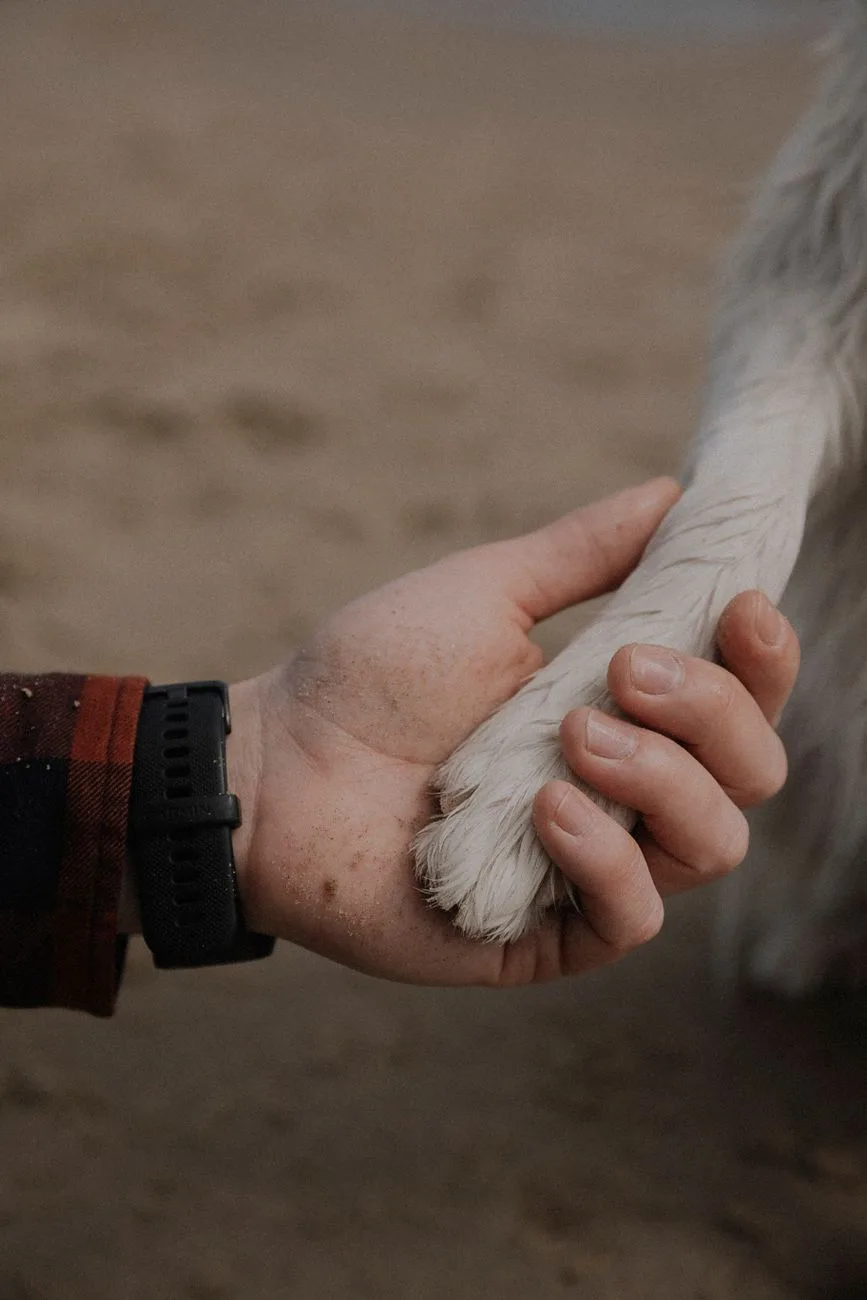
The loss of a pet can leave an unusually quiet space in a home. A bowl sits untouched. A leash still hangs by the door. A favorite sleeping spot looks the same, and yet everything feels different. For many people, the grief that follows is deeper and more complicated than they expected. This is where pet grief counseling can become a steady source of support, offering a place to speak openly about a bond that mattered deeply.
Grief after pet loss is often private. Some people feel a pull to stay composed because they sense others may not fully understand. Others are caught off guard by the intensity of their sorrow. They may wonder why a loss that seems, from the outside, “smaller” can feel so overwhelming. The truth is simpler and more tender than that. Pets live close to our daily rhythms. They greet us, wait for us, comfort us, and shape the shape of a day. When they are gone, the absence can be felt everywhere.
Pet grief counseling offers space for that reality. It is not about comparing losses or assigning a timeline to healing. It is about making room for the relationship itself, and for the feelings that come with losing it. For some, that support comes through a licensed therapist who understands pet loss. For others, it may involve a grief support group, counseling focused on loss, or a trusted professional who can help make sense of the days after saying goodbye.
Some people benefit from reading practical guides such as Pet Loss & Grief while processing memories.
Why pet loss can feel so intense
People sometimes expect grief to be softer after a pet dies, as though love for an animal should be easier to set down. Yet the opposite is often true. Pets are woven into routines that are intimate and repetitive. They are present in ordinary moments. Morning feedings. Walks after work. Shared naps. The sound of paws in the hall. That steady companionship creates attachment, and attachment creates grief when it is broken.
Pet loss can also stir up layered emotions. A person may feel sorrow, guilt, relief, numbness, anger, or a strange mixture of all of them. This can happen after a long illness, a sudden accident, or a difficult decision about euthanasia. Many pet owners replay final days in their minds, trying to answer questions that cannot be fully answered. Could I have done more? Did I wait too long? Was it time? These thoughts are common, and they can become heavy.
In pet grief counseling, these reactions are often discussed gently and without judgment. The goal is not to erase uncertainty. The goal is to help a grieving person hold the love and the pain together without becoming lost in either one.
What pet grief counseling can offer
Pet grief counseling provides a structured place to talk about loss with someone who will take it seriously. That may sound simple, but for many people it is deeply relieving. There is something calming about being able to speak about a pet by name, to describe habits and routines, to explain what made the bond special without minimizing it.
Counseling can help in several ways:
- It creates room to talk through the circumstances of the loss.
- It helps identify guilt, regret, or self-blame that may be lingering beneath the surface.
- It offers support for changes in sleep, appetite, focus, and daily functioning.
- It can help a person understand why grief may resurface in waves.
- It gives structure to remembrance and healing, especially in the early days after loss.
For some people, counseling is most useful right away. For others, grief becomes harder weeks or months later, after the support from friends has faded and the house feels especially quiet. There is no single right time to seek help.
When emotional support may be especially helpful
Some losses are made more difficult by the circumstances around them. A sudden death can leave a person with shock and unanswered questions. A long illness may create months of stress before the loss itself. A euthanasia decision, though often made with love, can bring moral distress and second-guessing. Children in the home may grieve in ways that are hard to read. Another pet may seem confused or unsettled, changing the emotional atmosphere of the house.
In these moments, grief counseling for pet owners can provide a steadier frame. A counselor can help identify what is grief, what is guilt, and what may simply be the mind searching for control after a painful loss.
Signs that grief may need more support
Grief does not follow neat rules, and it does not always require professional help. Many people gradually find their footing with time, memory, and support from others. Still, there are moments when extra care may be useful.
Consider reaching out for pet grief therapy or counseling if grief is starting to interfere with daily life in a sustained way. This might look like:
- difficulty sleeping for an extended period
- loss of appetite or a marked change in eating patterns
- feeling stuck in intense guilt or regret
- withdrawing from family, friends, or regular routines
- trouble returning to work or focusing on responsibilities
- persistent intrusive images of the pet’s final days or death
- feeling emotionally flat or disconnected for a long stretch
- using alcohol, medication, or other habits to blunt the pain
These experiences do not mean grief is going wrong. They suggest that the loss has affected more than the heart alone. Support can help a person move through the day with a little more stability.
Grief can look different in different people
One family member may cry often. Another may stay busy with practical tasks and feel the grief later, in private. Children may ask the same question again and again, or seem fine one moment and tearful the next. Seniors may grieve a pet as a companion, a reason to keep moving, and part of the rhythm of their home. A partner or spouse may be grieving the same animal in a completely different way.
These differences can create friction, especially in a home already strained by loss. Pet grief counseling can help families understand that there is no shared script. Loving the same pet does not mean grieving in the same style.
What happens in pet grief counseling
The idea of seeing a counselor can feel unfamiliar, especially for a kind of grief many people have not spoken about openly. A first session usually begins with conversation rather than structure. A counselor may ask about the pet, the relationship, the circumstances of the loss, and what daily life looks like now. There is no need to present grief in a polished way.
Some sessions center on the story of the pet. Others focus on guilt, insomnia, or family tension. Some counselors use gentle exercises that help a person separate painful facts from self-blaming thoughts. A session may include memory work, grounding practices, or discussion of rituals of remembrance.
The pace is usually slow. That matters. Pet grief therapy should make room for silence, tears, laughter, and the unexpected ways memory returns. A person may speak of a favorite habit one minute and struggle to say the pet’s name the next. This is part of the process.
Common topics that may come up
- how the bond began and what made it meaningful
- the final days, including medical choices and goodbye moments
- guilt about timing, treatment, or decisions made under stress
- changes in identity after the pet’s death
- the effect of loss on family members and surviving pets
- how to honor the pet without feeling overwhelmed by reminders
There can be comfort in simply saying these things aloud. Grief grows heavier when held in isolation. Speaking it carefully can help restore a little shape to the experience.
The emotional patterns many pet owners notice
Grief often arrives in patterns rather than a straight line. A pet owner may feel relatively steady one morning and undone by evening. A smell, a sound, or the sight of a toy may bring the whole loss back at once. This does not mean healing has failed. It means memory is active.
Some common patterns include:
Yearning
The wish to see the pet again can appear suddenly and with real force. This may happen while opening the front door, making a meal, or waking up in an empty bed. Yearning is one of the clearest signs of attachment.
Guilt
Many pet owners replay decisions. They question whether treatment was enough or whether goodbye came too soon. Guilt often tries to create a sense of control where there is none. In pet grief counseling, these thoughts can be examined with care, without forcing easy answers.
Numbness
Some people feel oddly blank after a loss. They expect tears and find stillness instead. Numbness can be the mind’s way of easing into grief. It does not mean the bond was less meaningful.
Anger
There may be anger at illness, age, fate, a veterinarian, a family member, or even the pet for leaving. These feelings can feel uncomfortable, yet they are part of the same grief process. They deserve room to be named.
Relief mixed with sorrow
After a long decline, there may be relief that suffering has ended. That relief can sit beside sorrow and guilt, creating a confusing emotional blend. Pet grief therapy often helps people speak honestly about this mixture without shame.
How grief counseling for pet owners can support families
A pet often becomes a shared presence in a household. Children may have grown up with the animal. Couples may have chosen the pet together. Roommates, grandparents, or adult children may all carry different pieces of the relationship. When the pet dies, those differences can become more visible.
Grief counseling for pet owners can help families talk through what each person has lost. A child may miss the routine of bedtime cuddles. An adult may miss the quiet company during remote work. Another family member may be grieving a role the pet played during a hard season of life. These are different losses tied to the same beloved life.
Families sometimes discover that they are grieving in ways that compete with each other. One person wants to keep the pet’s belongings untouched. Another needs to gather them away for a while. Counseling can help create room for both reactions. There is no single correct pace for keeping, storing, or revisiting memorial items.
Helping children understand pet loss
Children often need simple, honest language. Gentle explanations usually work better than euphemisms that confuse the event. A child may ask if the pet is coming back, or worry that something they did caused the loss. Pet grief counseling can help parents answer these questions in age-appropriate ways and watch for signs that a child needs extra reassurance or structure.
Children may grieve through play, drawing, repeated questions, or temporary changes in behavior. Their grief can appear and recede. That is normal. It can help to keep routines steady and to offer small ways to remember the pet, such as a photo, a drawing, or a shared memory box.
When a surviving pet is grieving too
Sometimes grief extends beyond the human members of the home. A surviving pet may search for the missing companion, wait by a favorite sleeping place, or seem quieter than before. These behaviors can be difficult to watch because they remind people that the loss has altered the whole household.
There is no need to overread every change, but it can help to observe the surviving pet’s appetite, energy, and attachment to routine. A stable schedule, familiar scents, and calm attention can provide comfort. For many owners, caring for the remaining pet becomes part of their own healing. It creates continuity without asking the new relationship to replace the old one.
Finding a counselor who understands pet loss
Not every therapist has deep experience with pet bereavement, and that is worth keeping in mind. A counselor who understands pet grief counseling can listen without minimizing the bond or drifting too quickly into generalities. Some therapists specialize in loss, animal bond grief, or grief counseling for pet owners. Others may work from a broad grief framework while taking the pet relationship seriously.
During an initial conversation, it can help to ask a few quiet questions:
- Do you have experience working with pet loss?
- How do you approach guilt after euthanasia or medical decisions?
- Do you offer individual sessions, family sessions, or group support?
- How do you work with people who feel stuck in grief?
The right counselor may not be the one with the most polished answers. It may be the one who listens carefully, speaks plainly, and makes room for the depth of the attachment.
Gentle ways counseling can help over time
Healing after pet loss rarely means forgetting. More often, it means finding a way to carry love without feeling pulled apart by absence. Over time, counseling can support that shift.
Some people begin to speak about their pet with a little more ease. Others find they can revisit photos, toys, or old routines without becoming overwhelmed. A person may still cry on anniversaries or while hearing a familiar sound, yet those moments may feel more like waves than floods. This change is often quiet.
Pet grief therapy can also help a person recognize that moving forward is not the same as moving on. The relationship remains part of their life. The love does too. What changes is the shape grief takes as time passes.
Remembrance as part of healing
Remembrance can be a calm companion to grief counseling. Some people keep a collar, frame a photo, or place a small memorial where the pet used to rest. Others write letters, light a candle on anniversaries, or speak the pet’s name during family gatherings. These gestures do not erase sorrow. They give it a place to rest.
For some, a memorial keepsake from Pets Afterlife may become part of that ritual, a tangible way to honor the life that was shared. The value is rarely in the object alone. It is in the act of remembering with care.
How to know if counseling feels like the right step
Some people seek pet grief counseling because they feel deeply shaken. Others begin because a friend suggests it. Still others are drawn to it months later, when they notice that their grief has become harder to carry than they expected. There is no perfect threshold.
Counseling may be a good fit if you keep circling the same painful thoughts, if your daily life feels smaller, or if the loss has touched older grief in ways that surprise you. It may also help if you feel unable to talk about your pet without censoring yourself. Sometimes the need is simply for a place where the love can be named without apology.
Choosing support does not mean the grief is too much. It means it matters enough to deserve care.
A slower kind of healing
There is a quiet dignity in the way people remember beloved animals. The shape of grief changes over time, but the bond remains present in memory, habit, and affection. Some days will feel lighter. Others may return with a surprising ache. That unevenness is part of loving deeply.
Pet grief counseling can help people stay with their feelings long enough to understand them, rather than rushing to set them aside. It can offer language for guilt, room for sorrow, and a steadier way to remember. For many pet owners, that steadiness matters. It allows grief to become less isolating and remembrance to become more peaceful.
The love shared with a pet leaves traces in daily life. In the quiet by the door. In the pause before a familiar routine. In the memory of a warm body at rest nearby. Counseling cannot remove those traces, and perhaps it should not. What it can do is help a person live beside them with more tenderness, until the sharpest edges of loss begin to soften into something more livable, and the memory of the pet can be held with care.