
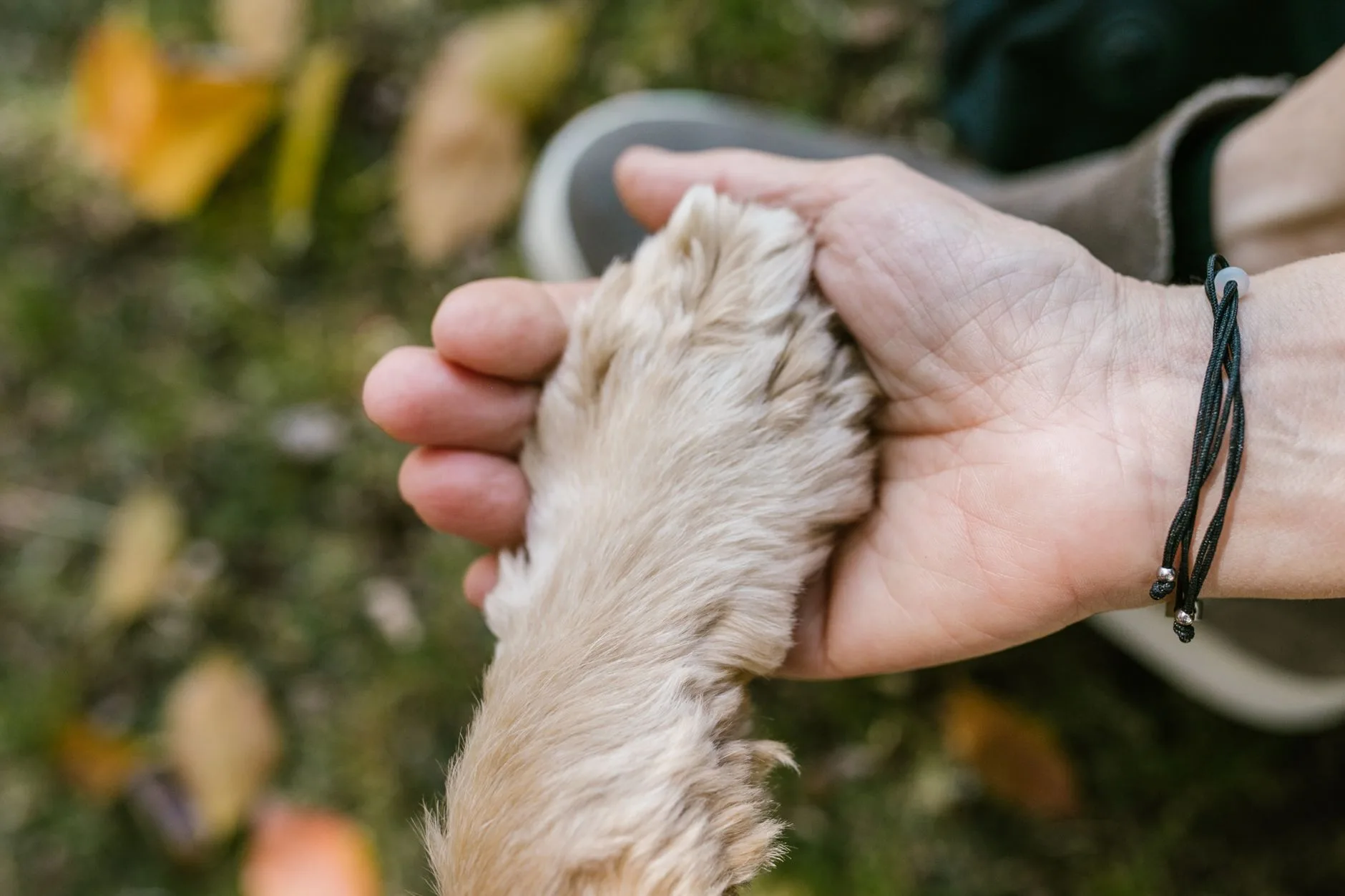
The loss of a pet can leave a quiet absence that settles into daily life in surprising ways. A bowl in the kitchen, an unused leash by the door, the sound of paws that no longer follow from room to room. Grief often arrives through these small interruptions, and it can feel both deeply personal and difficult to explain to others. For many people, pet loss support begins with finding words for something that has no tidy shape.
This kind of loss is often layered. A pet may have been a companion, a routine, a source of comfort, or a witness to years of living. Their absence can touch memory, habit, and identity all at once. Some days feel tender and reflective. Other days may feel strangely ordinary until a sudden wave of sadness appears. That rhythm is common in grief after pet death, and it deserves gentle attention rather than dismissal.
There is no single way to move through this experience. Some people want information, some need quiet space, and some look for pet grief support resources that help them understand what they are feeling. Others find comfort in ritual, in memory, or in speaking their pet’s name aloud. Support after pet death often begins with recognizing that grief for an animal companion is real, meaningful, and worthy of care.
For some people, Pet Loss & Grief offers language for emotions that feel too large to name at first.
Why the loss of a pet can feel so significant
Pets become woven into the ordinary structure of a life. They greet the morning, shape schedules, and create a sense of home that can be hard to put into words. Their presence is repeated so consistently that it becomes part of a person’s emotional landscape. When they die, the silence they leave can feel larger than expected.
People sometimes minimize this loss because pets are “part of the family” in a phrase that sounds simple, but carries a deep truth. A pet may have been present through moves, illness, transitions, loneliness, celebration, and everyday routines. Their companionship can be especially powerful because it is constant and uncomplicated. Losing that can expose how much comfort was built into the day.
Pet loss support often helps grieving owners name the significance of this bond. That naming matters. Grief can feel harder when it remains invisible or unspoken. When a loss is treated with respect, the person carrying it may find some relief in the recognition that love has been met with loss, and that both belong in the same story.
How grief after pet death may show up
Grief does not always arrive in an orderly way. It may come in waves, in pauses, or in moments that seem unrelated to the loss itself. A person might feel calm for part of the day and then break down while folding laundry or reaching for a favorite toy. This can feel unsettling, yet it is a familiar part of mourning.
Common reactions can include sadness, numbness, guilt, restlessness, trouble sleeping, appetite changes, and a sense of disorientation. Some people replay the final days over and over, wondering whether they did enough or made the right decisions. Others feel an emptiness that is less emotional and more physical, as though a part of the home or body is missing its usual rhythm.
There may also be guilt around the timing of the grief itself. Some pet owners expect to cry immediately, then feel confused when tears come later. Others do cry at first, then feel strangely detached after the initial intensity passes. Grief after pet death can change shape without warning. It may soften for a while, then return with new sharpness around anniversaries, vet visits, or routines once shared with the pet.
Because pets often live within close daily contact, their loss can affect the nervous system as much as the emotions. This is one reason pet grief support resources can be helpful. They provide language for experiences that can otherwise feel private and unstructured.
Why pet loss can be harder to explain to others
Many grieving owners discover that the hardest part is not only the absence of the pet, but the distance between their experience and other people’s responses. Some friends understand immediately. Others offer quick comfort and move on. A few may unintentionally minimize the loss with remarks that feel dismissive, even if they were meant kindly.
This can leave the grieving person feeling isolated at precisely the time when they most need steadiness. They may begin to edit what they say, or avoid speaking about the pet at all. That silence can make grief feel heavier. When a loss stays unnamed, it can become easier to carry alone.
Support after pet death may include finding one trusted person who can listen without rushing. That person does not need perfect language. They only need patience, a willingness to hear stories, and a respectful understanding that the bond mattered. A quiet conversation can be more healing than a dozen polished reassurances.
Families may also grieve differently from one another. One person may want to keep photographs on display, while another needs time before looking at anything. One child may ask direct questions, while an adult tries to shield them from sadness. These differences do not mean anyone cares less. They simply reflect the many ways people respond when love changes form.
Finding pet grief support resources that fit the moment
Not every grieving pet owner needs the same kind of support. Some want practical guidance. Others need emotional companionship. Many need both. The best pet grief support resources are often the ones that meet a person gently where they are, without pressure or judgment.
Pet loss hotlines and grief counselors
Some veterinary hospitals and animal care organizations offer pet loss hotlines or referrals to counselors familiar with animal bereavement. These services can be helpful for people who feel stuck in guilt, shock, or prolonged distress. Speaking with someone who understands the emotional meaning of pet loss may bring relief when friends or family cannot.
These conversations are often less about solutions and more about making room for the story. A counselor or hotline listener may help someone talk through the final days, the decision-making process, or the quiet after death. That kind of support after pet death can steady the ground beneath a grieving person, especially in the early days when everything feels tender.
Veterinary offices and remembrance services
Many veterinary teams offer more than medical care. They may provide memorial keepsakes, guidance about aftercare, or names of local grief groups. Some clinics hold remembrance ceremonies or share resources for families who want to honor a pet’s life in a simple way. These gestures can be small, yet they often carry great meaning.
A kind vet team can also help explain what happened medically, which may reduce lingering uncertainty. For owners who feel haunted by details, clear and compassionate information may ease some of the emotional burden. Even when the outcome cannot be changed, understanding can bring a measure of peace.
Support groups and online communities
Support groups for pet loss create a space where grief is already understood. People can speak openly about their routines, memories, guilt, and love without having to justify why the loss hurts so much. For some, an online group feels easier than an in-person one. For others, hearing another person speak aloud about a familiar kind of sorrow is enough to soften the loneliness of the day.
These spaces are especially helpful for people who feel hesitant to place a time limit on mourning. Grief after pet death does not follow a neat schedule. A support group can offer a gentle reminder that healing is not the same as forgetting.
Books, articles, and reflective writing
Quiet reading can be a meaningful form of pet loss support. Essays, memoirs, and grief-focused articles may help a person see their experience reflected with care. Writing by others can create a sense of companionship across distance and time. It can also help when someone is not ready to speak but still wants to feel understood.
Reflective journaling can serve a similar purpose. Writing a memory, a goodbye, or even a short note to the pet can give shape to feelings that seem too diffuse to hold inside. Some people write every day for a while. Others write only once, then return to the page later when they need it.
What support after pet death can look like at home
Support does not always require a formal resource. Often it begins in the home, in small acts of care that help a person remain grounded while grieving. These moments are rarely dramatic, but they matter.
Some people find comfort in keeping a pet’s bed or blanket for a while. Others need to put objects away gently and slowly. There is no right pace. The house may feel different either way, and that difference can be hard to bear at first. Still, creating a space that feels manageable can keep grief from becoming overwhelming.
Ritual can also help. Lighting a candle, placing a photo in a meaningful spot, or speaking a few words at the end of the day can become a quiet practice of remembrance. For some families, this becomes part of a larger memorial. For others, it remains a private habit that brings a sense of continuity.
Meals, sleep, and ordinary routines often become irregular after pet death. A person may skip eating, forget to rest, or move through the day in a kind of fog. Support after pet death sometimes includes very simple care, such as drinking water, stepping outside for air, or asking someone else to handle a practical task for a day. These gestures may seem small, yet they help preserve a little energy for emotional healing.
Children, family members, and different kinds of grief
When a pet dies, each member of a household may respond differently. A child might ask practical questions about where the pet has gone. A teenager may retreat into silence. An adult may feel pressure to stay composed while privately struggling more than expected. These differences can create tension, especially when everyone is grieving in their own way.
Children often benefit from clear, honest language. Gentle explanations can help them understand death without unnecessary confusion. It may also help to include them in a memorial activity, such as drawing a picture, choosing a photo, or sharing a favorite memory. These small rituals can support emotional understanding while giving the child a role in remembering the pet.
For adults, family grief can become complicated when one person wants to talk and another wants to avoid the subject. In these moments, patience matters. Grief is often less about agreement than about respecting each person’s pace. A shared loss can still be honored through different expressions.
Support after pet death may also include making room for grief that surfaces at unexpected times. A parent may feel fine for several days, then be surprised by a wave of sadness while packing school lunches or passing the pet’s favorite window. These ordinary triggers are part of mourning. They speak to how deeply the pet was woven into family life.
Common thoughts that appear during pet grief
Many grieving owners find themselves revisiting a few familiar thoughts. These thoughts are often painful, but they are also part of the mind’s effort to understand loss. Naming them can reduce some of their power.
Wondering whether the right choices were made
Medical decisions at the end of a pet’s life can be heavy. Owners may question whether treatment should have continued, whether euthanasia happened too soon, or whether they missed signs that the pet was declining. These questions can linger long after the body has been laid to rest or the home has grown quiet.
Pet loss support can help by offering perspective. Loving a pet does not mean every decision will feel clear. Most end-of-life choices are made under emotional strain, with limited information and a sincere desire to relieve suffering. The presence of doubt does not erase care.
Feeling guilty for moments of frustration
People sometimes remember the times they were impatient, distracted, or tired with a pet, especially if the loss was sudden. Ordinary imperfections can grow larger in hindsight. A rough morning or a missed play session may begin to feel significant simply because the pet is gone.
Yet a full relationship cannot be measured by its hardest moments. Pets know a household through patterns, affection, and constancy. A memory of irritation does not outweigh years of feeding, walking, checking, comforting, and showing up.
Missing the routine more than expected
Some owners are startled by how much they miss the routine itself. It may be the sound of nails on the floor, the early wake-up habit, or the evening check-in at the door. The grief here is practical and emotional at once. The body remembers what the heart has lost.
Support after pet death often involves acknowledging this ordinary ache. A routine is more than a schedule. It is a shared language built through repetition. When it ends, the emptiness can feel sharper than outsiders expect.
Ways to honor a pet without forcing the grief
Remembrance can be a gentle companion to grief. It does not remove sorrow, and it should never be used to pressure someone into feeling better. Still, many people find meaning in creating a small, personal way to honor the life that was shared.
Memory objects and keepsakes
A framed photograph, a collar placed in a keepsake box, or a paw print tucked into a drawer can become a quiet anchor. These objects do not replace the pet. They simply hold a piece of the story in visible form. For some, memorial items bring comfort because they acknowledge the pet’s place in the home and heart.
When chosen gently, memorial pieces can become part of ongoing remembrance rather than a polished farewell. Their value lies in the memory they carry, not in their appearance.
Letters and spoken memories
Writing a letter to a pet can help clarify what was cherished most. Some people write about a final day. Others focus on everyday moments, such as the way the pet slept beside them or greeted them at the end of workdays. Speaking these memories aloud to a trusted friend or family member can also be healing.
In many cases, grief softens when a story is repeated with care. The pet continues to live in language, and that matters.
Acts of charity or service
Some owners honor a pet by giving to an animal shelter, sponsoring care for another animal, or helping a rescue in a small way. These gestures can feel meaningful when they arise naturally, though they should never be forced. Charity is most comforting when it grows from love rather than from pressure to move on.
Creating a memory space
A corner shelf, a garden stone, or a favorite chair can become a place of remembrance. The space need not be elaborate. It only needs to feel sincere. For some people, a memory space offers a stable place to return to when grief feels scattered.
These rituals belong to pet loss support in a quiet way. They offer form to love, and that form can be comforting long after the first weeks of grief.
Healing timelines and the shape of grief over time
Grief after pet death rarely moves in a straight line. Early days may feel heavy and disorienting. Later, the grief may become quieter, then resurface around anniversaries, daily habits, or a new pet’s arrival. This changing shape can confuse people who expected a more predictable process.
Some owners notice that the sharpness of the loss softens before they expected it to. Others find that grief lingers in subtle ways for months or years. Both experiences are common. The goal is not to measure how quickly grief fades. The goal is to learn how to carry memory with care.
Support after pet death may look different at different times. At first, a person may need practical help and emotional steadiness. Later, they may need space to remember without feeling overwhelmed. Much later still, they may need permission to speak of the pet with warmth rather than only sadness. Healing often means widening the emotional range around the memory.
People sometimes worry that loving another animal later will somehow diminish the one they lost. In truth, many pet owners find that the heart is capable of holding more than one bond across time. A new relationship does not replace the old one. It grows in its own place, shaped by new experiences and old tenderness.
How to support someone else after pet death
Sometimes the grieving person is a friend, family member, neighbor, or colleague. Knowing how to respond can matter. Simple, sincere support often helps more than broad reassurances.
Listening without correcting the grief is a good start. If someone wants to talk about the pet, let them. If they want silence, sit with them. Mentioning the pet by name can be especially meaningful. It acknowledges the life that mattered.
Practical help can also be a kindness. A meal, a short check-in, or assistance with a task can ease the weight of the day. For people who are caring for children or making aftercare arrangements, this kind of support can be especially grounding.
Avoid measuring their loss against another kind of grief. Pet loss has its own emotional shape. Respecting that shape is a form of care.
When extra help may be needed
Most grief gradually changes over time, but some people may find that sadness becomes so consuming that daily life feels difficult to manage. Sleep, work, eating, and basic routines may begin to unravel. In those moments, reaching out for professional support can be a wise and compassionate step.
Therapists, grief counselors, and pet bereavement specialists can help a person untangle guilt, trauma, or complicated feelings around the loss. This is especially useful when the death was sudden, medically difficult, or accompanied by a distressing decision. Support after pet death can include emotional care that is more structured than what friends can offer.
Seeking help is not a sign that grief is too large. It is a sign that the bond was deep and that the pain deserves attentive care.
Holding memory with gentleness
Pet loss support is often less about getting over a loss and more about learning how to keep living with its meaning. The pet’s presence may remain in memory, in habit, in stories, and in the quieter parts of a home that still seem to remember them. Grief does not erase love. It marks the places where love once lived in daily form.
For many grieving owners, the most comforting path is not dramatic. It is steady, reflective, and personal. A photograph by the bed. A spoken name. A letter kept in a drawer. A walk taken in the same place the pet once loved. These small acts can offer shape to sorrow without asking it to disappear.
Over time, remembrance often becomes less about reopening the wound and more about honoring the bond with calm sincerity. The life shared with a pet remains part of the person who loved them. That is one reason pet grief support resources matter. They help protect the tenderness of that bond while making room for the days ahead.
What remains after pet death is often more than absence. It is the imprint of companionship, the rhythm of care, and the quiet knowledge that a life was shared with devotion. In that space, support after pet death can take many forms, but at its heart it offers the same thing. A way to carry love gently, and to let memory stay close without demanding it become less than it is.